 Clearwater Roofing
 Why Decks in Island Estates Wear Out Differently
Island Estates sits surrounded by water, and that changes everything about how a deck ages. Homes here deal with constant salt-laden air coming off the harbor, near-daily UV exposure that doesn't let up in winter the way it does further north, and the kind of wind-driven rain that finds its way into every gap, seam, and fastener hole a deck has. A deck built to a generic inland spec simply doesn't hold up the same way out here, even if it looks fine when it's installed.
Salt air is corrosive to metal, full stop. Standard deck screws, joist hangers, and bolts that would last decades in a dry inland climate can start rusting and losing grip within a few years on a waterfront property. Combine that with Florida's UV load, which breaks down wood fibers and degrades lower-grade composite decking faster than manufacturers' national averages suggest, and you get a deck that ages faster on Island Estates than the same deck would just a few miles inland in Clearwater.
Add in wind. Pinellas County sees tropical systems and seasonal storms that put real lateral and uplift load on an elevated structure. A deck that's marginal on framing or attachment is the part of a house most likely to show storm damage first, because it's outside the building envelope and takes wind, rain, and debris straight on.
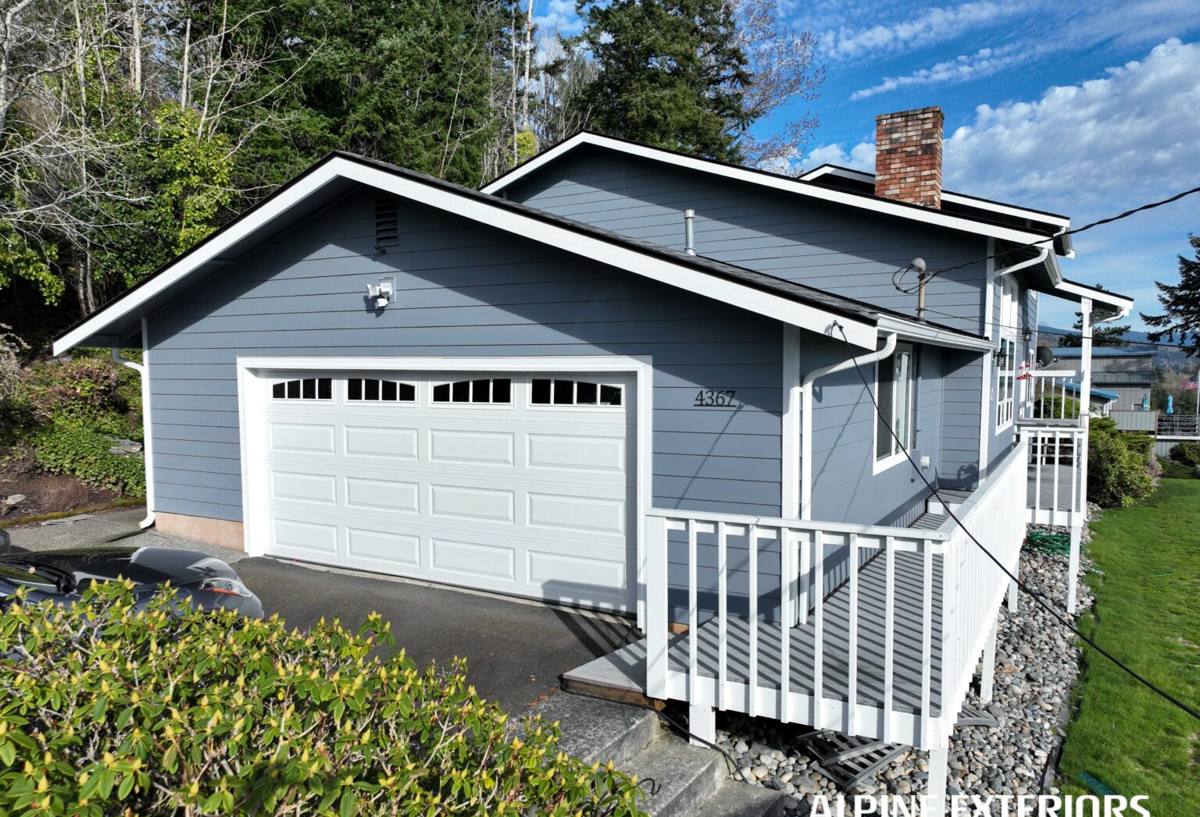
Signs It's Time for Replacement, Not Another Repair
Not every deck problem calls for a full tear-out. But there's a point where patching boards or re-tightening rail posts is just delaying an expense, not solving it. Some signs point clearly toward replacement:
- Soft, spongy, or spring-feeling spots in the decking surface, especially near the house or stair landings
- Visible rust streaks bleeding from fastener heads or joist hangers
- Wood that's gray, splintering, or checking (splitting) across multiple boards rather than just one or two
- A ledger board (where the deck attaches to the house) that shows gaps, rot, or water staining on the siding above it
- Railings or posts that flex noticeably when leaned on
- A deck older than 15-20 years that has never had the substructure inspected, only the surface boards replaced
That last point matters more than most homeowners realize. Surface boards are the part everyone sees, so they're what usually gets replaced first. But if the framing, ledger connection, or hardware underneath has been quietly corroding or softening for years, new boards on top of a compromised structure is a cosmetic fix on a safety problem.
What a Correct Deck Replacement Actually Involves
A proper replacement isn't just pulling up old boards and screwing down new ones. It starts underneath, at the parts nobody sees once the job is done.
Structural Framing
The ledger board, joists, beams, and posts carry the entire load of the deck plus everyone standing on it. On a replacement, this means checking footing depth and condition, confirming joist spacing is adequate for the decking material being installed, and making sure the ledger is properly flashed and bolted, not just nailed, to the house structure. In a coastal environment, we look closely at any framing member that's been exposed to standing water or splash-back, since that's where rot starts even when the surface above looks fine.
Fasteners and Hardware
This is where a lot of decks fail early in salt air. Standard zinc-coated screws and hangers corrode faster near the water than the manufacturer's rated lifespan assumes. For Island Estates work, hardware needs to be rated for coastal or saltwater exposure, typically stainless steel or a heavier-grade coated fastener system matched to the decking material, so the connections outlast the boards instead of failing first.
Decking Surface Material
The visible boards get chosen based on how the homeowner uses the deck, budget, and how much upkeep they want to take on. We'll walk through the tradeoffs honestly rather than pushing one product, because the right choice depends on the specific property.
Choosing the Right Decking Material for a Waterfront Property
There's no single "best" decking material, only the one that fits how a homeowner wants to maintain their deck and how much they're willing to spend up front versus over time. Here's how the common options compare for a salt-air, high-UV property like the ones on Island Estates.
| Material | Upfront Cost | Maintenance | Coastal Durability |
|---|---|---|---|
| Pressure-treated wood | Lowest | Annual sealing/staining recommended | Moderate; needs consistent upkeep to resist salt and UV |
| Cedar or other natural wood | Moderate | Regular sealing; more sensitive to moisture cycling | Lower without diligent maintenance |
| Capped composite | Higher | Occasional washing, no sealing/staining | Strong; cap layer resists moisture and fading well |
| PVC decking | Highest | Minimal; occasional washing | Very strong; fully synthetic, doesn't absorb moisture |
Uncapped, low-grade composite is a product category we're cautious about recommending on waterfront properties. Older-style composite without a protective cap layer can absorb moisture at the core over time, which leads to swelling, mold susceptibility, and fading well before the end of its expected service life, especially under Florida's UV intensity. That's a maintenance and warranty tradeoff worth understanding before choosing it, not a reason to rule it out entirely if the budget calls for it and you're comfortable with more frequent inspection.
Wood, done right with proper sealing on a schedule, is still a completely legitimate choice, especially for homeowners who like the traditional look and don't mind the annual upkeep. We'll give you a straight answer on what each option actually requires from you after installation, not just what it costs going in.
Permits, Wind Load, and Florida Building Code
Pinellas County and the City of Clearwater require permits for deck replacement work, and that's a good thing for homeowners, not a hurdle to work around. Permitted work means the framing, footings, and attachment are inspected against Florida Building Code wind load requirements, which are considerably more demanding here than in most of the country given our storm exposure.
For a waterfront community like Island Estates, this can also touch on elevation and flood-related requirements depending on the specific property, since it's part of a barrier and canal-front area of the county. We handle the permit process as part of the job, not as an extra step you have to manage yourself, and we won't skip it to save time. An unpermitted deck can create real problems at resale and, more importantly, means nobody outside your contractor has verified it's built to withstand what it needs to.
Our Deck Replacement Process, Step by Step
- Inspection and assessment — We evaluate the existing deck's framing, ledger connection, footings, and hardware condition, not just the surface boards, to determine what's actually salvageable versus what needs to come out.
- Honest material walkthrough — We go over decking and railing options with real cost, maintenance, and durability tradeoffs for your specific use of the space, no upselling to the most expensive product by default.
- Permitting — We pull the required permits and handle code compliance so the finished structure meets current Florida Building Code wind load standards.
- Demolition — Full removal of the old decking, and any framing or hardware that doesn't pass inspection, disposed of properly.
- Framing and structural work — Ledger, joists, beams, and footings are repaired or rebuilt to spec, with coastal-rated fasteners and hardware throughout.
- Decking and railing installation — Surface boards and railing system installed per manufacturer specifications, which matters for both structural performance and keeping any product warranty valid.
- Final walkthrough and inspection — We review the finished deck with you and coordinate the final county inspection so everything is documented and signed off.
Checklist Before You Hire Anyone to Replace Your Deck
Whoever you choose to do this work, these are the basics worth confirming before signing anything:
- Florida contractor license and current liability insurance, verifiable, not just claimed
- Written scope that specifies framing and hardware work, not just decking material
- Confirmation they will pull permits in their name and schedule inspections
- Fastener and hardware grade specified in writing, especially for a waterfront property
- Clear timeline and what happens if weather delays the job
- Warranty terms explained separately for labor, decking material, and hardware
Why Local Experience in Island Estates Matters
A contractor who mostly works inland can still build a technically sound deck, but they may not default to coastal-rated hardware, or think through how prevailing wind and sun exposure hit a specific island lot differently than a mainland Clearwater property. Working regularly on the islands and canal-front streets of Pinellas County means we've seen how decks here actually fail over time, not just how they're built on day one, and we build accordingly from the start rather than learning that lesson on a callback.
It also means we're familiar with the permitting process specific to this area and can move through it efficiently instead of treating it as unfamiliar territory. That translates into fewer surprises and delays for you during the project.
Caring for Your New Deck After Installation
Even a well-built deck benefits from a little seasonal attention in this climate. Rinsing salt residue off the surface periodically, keeping gutters and downspouts clear so water isn't sheeting onto the deck, and doing a quick visual check of fasteners and railings after major storms will go a long way toward getting the full expected lifespan out of the investment. If you chose wood, staying on top of the sealing schedule matters more here than in a drier inland climate. We'll walk you through exactly what your specific decking material needs before we leave the job.
If your deck in Island Estates is showing its age, or you'd rather replace it now than keep patching it, we're happy to take a look and give you a straightforward, no-pressure estimate using the form below.