 Clearwater Roofing
 Windows Built for Del Oro, Not Just "Florida"
Del Oro is a settled residential pocket of Clearwater, and like most of the city's older and mid-century neighborhoods, its housing stock spans several decades of construction styles — which means the windows on these homes span several decades of technology, too. A window that was code-compliant and reasonably tight-sealing in 1985 is neither of those things today. Frames warp, seals fail, and single-pane or early dual-pane glass simply wasn't engineered for the wind loads Pinellas County now requires.
When we talk about "custom windows" for a neighborhood like Del Oro, we don't mean upgraded trim or a fancier grille pattern. We mean windows sized, engineered, and rated for the specific openings in your home, the specific exposure your lot has, and the specific code requirements that apply on your street. A big-box stock window forced into an opening it wasn't measured for is a leak and a warranty headache waiting to happen. A properly custom window is measured, ordered, and installed to fit that one opening correctly.
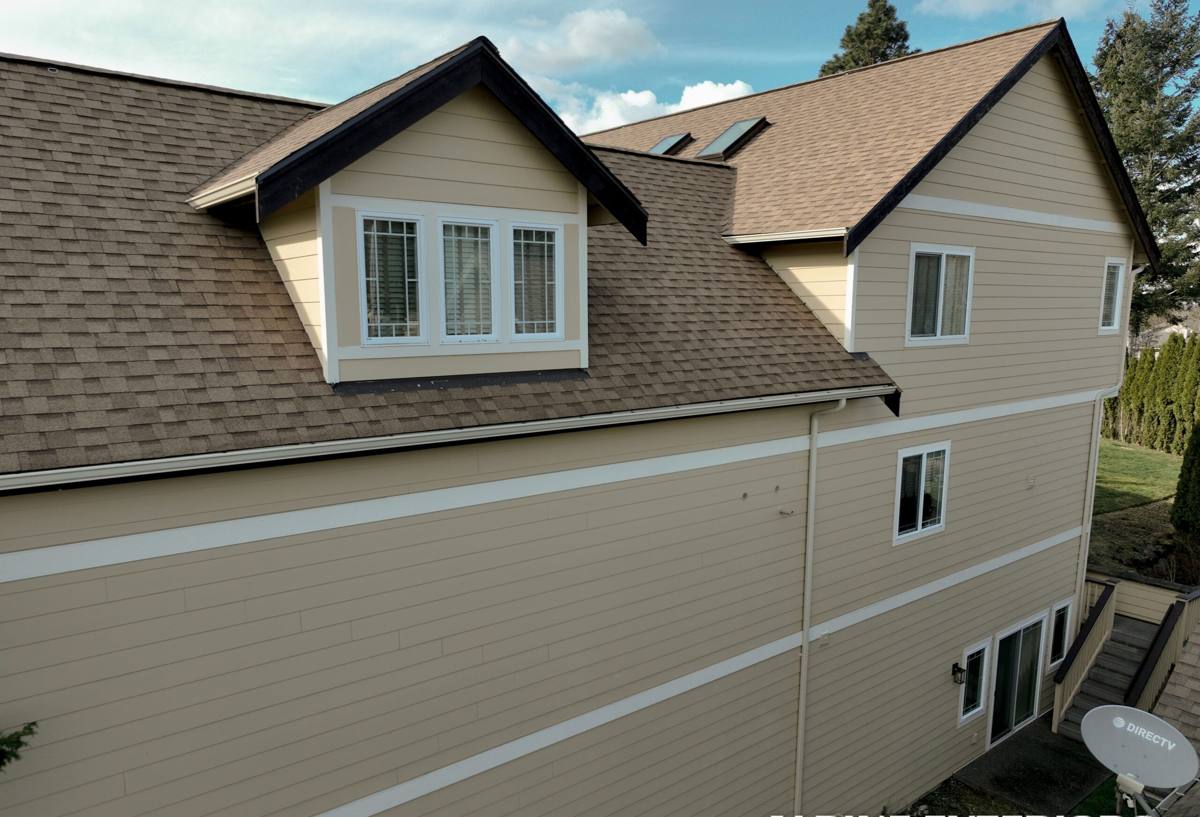
What Clearwater's Climate Actually Does to Windows
Homeowners often assume window failure is about age alone. In this part of Florida, it's more often about exposure. Four things do most of the damage:
- Hurricane-force wind and pressure cycling — even storms that don't make direct landfall can subject frames and glazing to repeated pressure swings that loosen seals over time.
- Intense, near-constant UV exposure — vinyl frames chalk and become brittle, and older glazing compounds dry out and crack faster than they would in a milder climate.
- Wind-driven rain — Clearwater's storms don't just fall straight down; wind pushes water sideways into any gap in flashing, sealant, or a poorly shimmed frame.
- Salt air — moisture carried inland from the Gulf accelerates corrosion on hardware, screws, and metal reinforcement inside frames, even at a distance from the immediate coastline.
None of these are dramatic on their own. Together, over years, they're why a window that looks fine from the curb can have a compromised seal, corroded hardware, or a frame that's no longer square — and why a straight swap-in replacement using outdated specs doesn't actually solve the underlying problem.
Impact Rating and Florida Building Code: What Actually Applies
Clearwater sits within Florida's wind-borne debris region, which means the Florida Building Code requires either impact-rated glazing or code-approved protection (like engineered shutters) for openings in most residential construction here. This isn't a marketing upsell — it's the baseline your permit will be checked against.
For custom window projects, that means every unit we spec needs a wind load and impact rating tied to your home's specific exposure category, not just a generic "hurricane-rated" label. A window rated for a sheltered interior lot and a window rated for an exposed corner lot with a long, unobstructed wind fetch are not interchangeable, even if they look identical in a showroom.
What This Means for Your Project
Before we quote anything, we look at your home's construction type, story height, and general exposure, then match glazing and frame specs to what the code and the conditions actually call for — not the cheapest unit that technically qualifies.
Frame Materials: What Holds Up in This Environment
| Frame Material | Strengths Here | Trade-offs |
|---|---|---|
| Impact-rated vinyl | Won't corrode from salt air, good insulation value, lower cost | Can discolor or become brittle under sustained UV over many years if lower-grade compound is used |
| Aluminum | Strong, slim sightlines, long track record in Florida construction | Conducts heat, requires quality thermal breaks and corrosion-resistant hardware near the coast |
| Fiberglass | Very stable dimensionally, resists warping and UV degradation well | Higher upfront cost |
| Wood / wood-clad | Traditional appearance for older Del Oro homes | Highest maintenance burden in humid, salt-influenced air; we're selective about where we recommend it |
We're upfront when a material isn't a good fit for a given home. Wood-clad windows, for example, can look excellent, but on a home with direct sun exposure and no overhang protection, they demand a maintenance schedule most homeowners don't want to keep up with. That's a trade-off we'll walk through with you rather than just sell you whatever's in stock.
Glass Packages That Matter in This Climate
The glass itself does as much work as the frame. For Del Oro homes, we typically discuss:
- Laminated impact glass — two panes bonded around an interlayer, so the glass can crack under debris impact without opening the wall to wind and rain. This is the core of most code-compliant hurricane glazing.
- Low-E coatings — a microscopically thin coating that reduces solar heat gain, which matters when your windows face west or south and take on direct Florida sun most of the day.
- Insulated (dual-pane) construction — reduces heat transfer and helps with both cooling costs and interior noise from wind or nearby traffic.
Not every home needs every option maxed out. A shaded, north-facing window has different priorities than an unshaded west-facing one on the same house. Part of a proper custom quote is not over-specifying glass you don't need.
How We Approach a Del Oro Window Project
1. On-Site Assessment
We look at each opening individually — not just the glass, but the framing behind it, signs of past water intrusion, and how the wall assembly is built. Two windows on the same house can need different solutions if one has been leaking behind the frame and the other hasn't.
2. Precise Measurement and Spec
Custom means measured to the opening, not to a catalog size. We account for out-of-square openings, which are common in older homes that have settled over the decades, so the finished install doesn't rely on excessive shimming or caulk to fake a fit.
3. Permitting
Window replacement in Clearwater generally requires a permit, and impact-rated products need to be documented as meeting the applicable wind load. We handle this as part of the project rather than leaving it to the homeowner to sort out after the fact.
4. Removal and Flashing Correction
This is the step that gets skipped by crews doing volume work. When we pull the old window, we inspect and correct the flashing and water management around the opening — because a brand-new window installed over compromised flashing will leak on the same schedule the old one did.
5. Installation and Seal
Proper shimming, fastening schedule per the product's engineering, and sealant applied correctly — not just a bead of caulk around the visible trim.
6. Final Inspection and Walkthrough
We confirm operation, seal, and finish with you before considering the job done, and we make sure your permit closes out cleanly.
Problems We Commonly Find When Replacing Windows in This Area
A few issues show up often enough in homes throughout Clearwater's older neighborhoods that they're worth mentioning:
- Corroded fasteners and hardware hidden inside the frame, invisible until the window is removed.
- Rotted or water-damaged framing behind the window, usually from years of slow leaks around failed sealant.
- Non-impact glass installed after a prior remodel that doesn't actually meet current code, sometimes without the homeowner realizing it.
- Mismatched replacement windows from piecemeal past repairs, where sizes and styles don't match room to room.
None of these are unusual or a reflection on the homeowner — they're just what happens over 20 or 30 years in this climate. The point of a proper assessment is catching them before they become a bigger repair mid-project.
What Drives Cost
| Factor | Why It Matters |
|---|---|
| Impact rating required for the opening | Higher wind-load ratings generally cost more in both glass and frame reinforcement |
| Frame material | Vinyl, aluminum, fiberglass, and wood carry different material and labor costs |
| Number and size of openings | Larger or oversized windows need heavier framing and glass |
| Condition behind the existing window | Rot or flashing repair adds labor beyond a straightforward swap |
| Glass package (Low-E, tinting, etc.) | Solar performance options add cost but can reduce cooling bills |
We give homeowners a real number after we've actually looked at the openings — not a rough per-window average that ignores the condition of your specific house.
Why Local Experience with Del Oro Homes Matters
A crew that regularly works in this neighborhood already has a working sense of the common construction eras, typical framing quirks, and the kind of wear this specific stretch of Pinellas County produces. That translates into fewer surprises mid-project, more accurate initial quotes, and a permitting process that goes smoothly because we're not guessing at what the local building department expects.
It also means accountability. We're not a crew that installs once and moves on to the next county — if a seal needs attention down the road, we're a local call, not a long drive or an out-of-state call center.
Simple Maintenance Checklist for Homeowners
- Rinse frames and tracks periodically to clear salt residue, especially on homes closer to the water
- Check exterior caulk lines yearly for cracking or gaps, particularly after a hard storm season
- Test that weep holes on impact windows are clear and draining, not blocked by debris or paint
- Operate hardware (locks, cranks, latches) a few times a year to catch stiffness early
- Watch for interior sill discoloration, which is often the first sign of a seal starting to fail
If you're weighing a window project for your Del Oro home, we're happy to take a look, measure what you actually have, and give you a straight, no-pressure estimate — no obligation, just an honest read on what your home needs. The form below gets you on our schedule.