 Clearwater Roofing
 New-Construction Windows for Del Oro: What Sets This Job Apart
When a home in Del Oro is being built, expanded, or substantially renovated, the windows going into those rough openings aren't the same product or installation as a simple window swap. New-construction windows attach directly to the framing with a nailing flange, get integrated into the home's weather-resistant barrier before stucco or siding goes on, and have to pass inspection as part of the building process — not as a standalone repair. Getting this stage right matters more in Clearwater than in most parts of the country, because Pinellas County's wind, rain, sun, and salt exposure will find every shortcut in a window installation within a few storm seasons.
This page covers what a correct new-construction window job looks like for a Del Oro home specifically — the products that make sense here, how the install has to be sequenced and sealed, and what to expect from a crew that already understands this neighborhood's homes and permitting process.
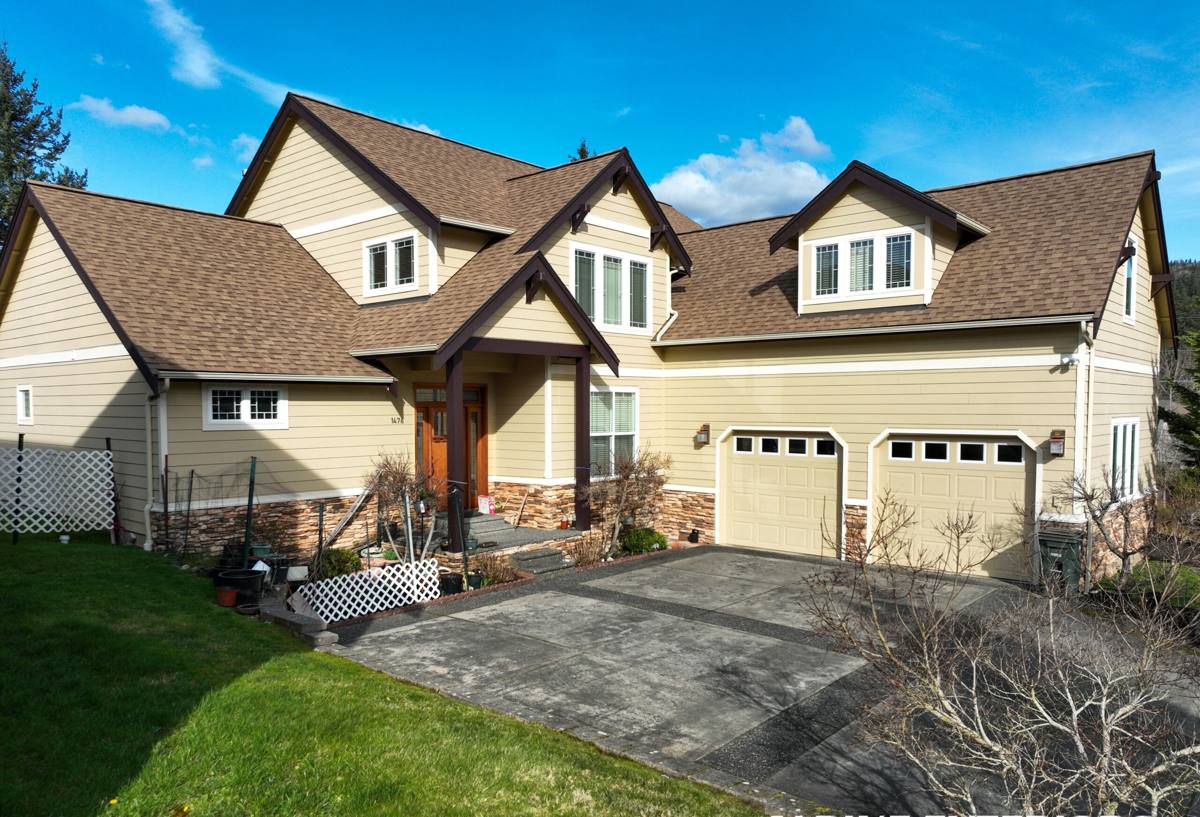
Why Del Oro Homes Need More Than a Standard Window
Clearwater sits on the Gulf side of Pinellas County, and that location shapes everything about how a window performs over time. Four conditions do most of the damage:
- Hurricane-force wind: Even homes outside the immediate storm path see sustained high winds and wind-loading multiple times a year. Windows have to hold their design pressure rating, not just survive one bad storm.
- Wind-driven rain: Florida storms rarely fall straight down. Rain gets pushed sideways into window assemblies, which means flashing and drainage matter as much as the glass itself.
- Intense, year-round UV: Central Florida sun degrades vinyl, breaks down sealants, and fades interior finishes faster than in northern climates. Frame material and glass coatings both need to account for this.
- Salt air: Del Oro's proximity to the Gulf means airborne salt is a constant, low-grade corrosive force on hardware, fasteners, and unprotected metal — even for homes not directly on the water.
None of these are unique to Del Oro, but together they mean a new-construction window package chosen for a home in, say, the Midwest will underperform here — sometimes within a single hurricane season.
New-Construction Windows vs. Replacement Windows
It's worth being clear on the distinction, because the two jobs are not interchangeable and quoting one as the other leads to problems later.
New-construction windows
These have a nailing flange (fin) around the frame and are installed into a bare, open rough opening — typically during a new build, an addition, or a renovation where the exterior wall is opened down to the studs. The flange gets fastened to the framing and layered into the weather-resistant barrier and flashing system before exterior finish goes back on.
Replacement (retrofit) windows
These install into an existing, finished opening without disturbing the exterior wall or siding. There's no nailing flange exposed to the wall assembly, and the surrounding stucco or siding stays intact.
For a Del Oro home under construction, mid-addition, or having a wall opened up for a full window replacement, the new-construction approach is almost always the right one — it's the only method that lets the flashing and weather barrier be built correctly from scratch, which is where most long-term leak problems actually originate.
What a Correct New-Construction Window Install Involves
Flashing and weather barrier integration
The window opening gets a sill pan flashing first, so any water that gets past the window has a sloped path back outside instead of into the wall cavity. Then the window flange is fastened over the housewrap or weather barrier in a shingle-lap sequence — bottom, sides, then top — so water is always directed down and out, never trapped behind a layer. This sequencing is the single most common thing done wrong on rushed jobs, and it's invisible once stucco or siding covers it.
Fastening and structural attachment
Fastener type, spacing, and embedment into the framing all have to match the window's tested and labeled installation instructions to preserve its design pressure rating. A window rated for hurricane wind loads is only as strong as the weakest point in how it's actually anchored — swapping in the wrong screws or skipping fasteners to save time undercuts the rating on paper, even if the glass itself is correct.
Impact ratings and Florida product approval
Windows installed in Pinellas County need to carry a valid Florida product approval (or Miami-Dade NOA where applicable) matching the home's wind zone and the window's location on the structure — corner openings and larger spans typically need a higher design pressure rating than a small window in a protected wall. Impact-rated glass (laminated glass that stays intact when struck) is the most common way homes here meet wind-borne debris requirements without needing separate storm shutters or panels.
Sealant and finish work
The sealant used around the frame has to be compatible with both the window frame material and whatever exterior finish — stucco, synthetic stucco, or siding — is going back around it. UV-stable sealant matters here specifically because Clearwater's sun exposure will crack and chalk a low-grade caulk within a couple of years, opening a path for wind-driven rain.
Choosing the Right Frame and Glass for Del Oro's Climate
There's no single "best" window for every Del Oro home — it depends on the home's style, budget, and how exposed the elevation is — but some trade-offs come up on nearly every job.
| Frame Material | Salt Air / Corrosion | UV / Heat Stability | Typical Trade-off |
|---|---|---|---|
| Vinyl | Good — won't corrode | Fair; quality varies by manufacturer | Lower cost, but lesser-grade vinyl can warp or discolor under sustained Florida sun |
| Aluminum | Fair; needs corrosion-resistant coatings/hardware near the coast | Very good — dimensionally stable in heat | Strong for larger impact-rated openings; more conductive, so glass package matters more |
| Fiberglass/composite | Excellent | Excellent | Highest upfront cost, longest service life in coastal exposure |
On glass, a Low-E coating with argon or similar gas fill cuts down on solar heat gain, which matters for both comfort and cooling costs given how much direct sun Del Oro homes get most of the year. Laminated impact glass adds the wind-borne debris protection and, as a side benefit, cuts down on outside noise.
Cost Factors for New-Construction Windows
Every home and opening schedule is different, so we don't quote sight-unseen — but these are the variables that move the price up or down on most Del Oro projects.
| Factor | How It Affects Cost |
|---|---|
| Number and size of openings | More openings and larger spans (sliders, large fixed lites) mean more material and labor |
| Design pressure / impact rating required | Higher wind zones and corner conditions often require heavier-rated, more expensive units |
| Frame material | Vinyl is typically the entry point; aluminum and fiberglass cost more but hold up longer near the Gulf |
| Glass package | Low-E coatings, gas fill, and laminated impact glass all add cost over basic clear glass |
| Access and stage of construction | Installing during framing is usually more efficient than working around finished walls in a renovation |
| Permitting and inspection scope | Larger jobs or full-elevation replacements may require more inspection trips and documentation |
Broadly, homeowners should expect new-construction window packages to range from a modest per-opening cost for standard vinyl units up to significantly more for larger, higher-design-pressure, or fiberglass/impact-glass combinations. We'll walk through actual numbers once we've seen the openings and the plans.
Our Process, Start to Finish
- On-site consultation and measurement: We look at the actual openings (or plans, for pre-construction jobs), the home's exposure, and any HOA guidelines that apply.
- Product and rating selection: We match window design pressure ratings to each opening's location and size, and go over frame and glass options against your budget.
- Permitting: We handle the permit application and documentation required by the local building department before work begins.
- Flashing and installation: Sill pan, weather barrier integration, fastening to spec, and sealant — done in the correct sequence, not shortcuts.
- Inspection: We coordinate the required inspection(s) so the work is signed off and documented, which matters for insurance and resale later.
- Final walkthrough: We check operation, seals, and finish work with you before calling the job done.
Permitting, Inspections, and HOA Considerations in Del Oro
New-construction window work in Clearwater goes through the local building department, and the permit has to reference the specific product approval for each window installed — this isn't paperwork you can skip or backfill later without risking problems at resale or with insurance. If Del Oro's HOA has architectural guidelines covering exterior appearance, frame color, or grid patterns, that review needs to happen before ordering product, not after. A crew that's already pulled permits and passed inspections in this area knows the actual sequence and timeline the local building department expects, which keeps the job from stalling on paperwork.
Why a Crew That Already Works in Del Oro Matters
New-construction window installation is unforgiving of guesswork — a flashing sequence done backwards or a fastener schedule that doesn't match the product's rating won't show up as a problem until the next hurricane season or the next heavy, wind-driven storm. A crew with hands-on experience in Del Oro and the surrounding Clearwater area has already worked through the county's inspection expectations, understands how these homes are typically framed and finished, and has seen firsthand how salt air and sun exposure affect different products over time — not just on paper, but on homes down the street. That's the kind of judgment that doesn't come from a spec sheet.
What to Look for When Hiring a Window Contractor for New Construction
- Current Florida contractor license and liability insurance, verifiable on request
- Experience specifically with new-construction (nailing flange) installation, not just retrofit replacement
- Familiarity with Florida product approval / Miami-Dade NOA documentation for the windows they're proposing
- A clear explanation of the flashing and weather barrier sequence they'll use — not just the window brand
- Willingness to pull permits and coordinate inspections directly, rather than leaving that to the homeowner
- Straight answers about design pressure ratings appropriate to your specific openings, not a one-size-fits-all product
If you're planning new-construction windows for a Del Oro home — whether it's a new build, an addition, or an opened-up renovation — we're happy to walk the site, look at your plans, and give you a straightforward, no-pressure estimate. Use the form below to get started.