 Clearwater Roofing
 Downtown Clearwater Decks Live a Harder Life Than Most
A deck built two blocks from a driveway in a landlocked subdivision and a deck built near Downtown Clearwater are not the same project, even if the lumber and hardware look identical on day one. Properties in and around Downtown Clearwater sit close enough to the harbor and the Gulf that salt-laden air is part of the daily weather, not an occasional event. Add in Pinellas County's intense, nearly year-round UV exposure, regular wind-driven rain, and the real chance of hurricane-force gusts during storm season, and you have a combination that ages a deck faster than almost anywhere else in the country.
None of this means a deck can't last. It means the repair has to account for the actual conditions the structure is fighting, not just patch what's visibly broken. That's the difference between a repair that holds for a season and one that holds for years.
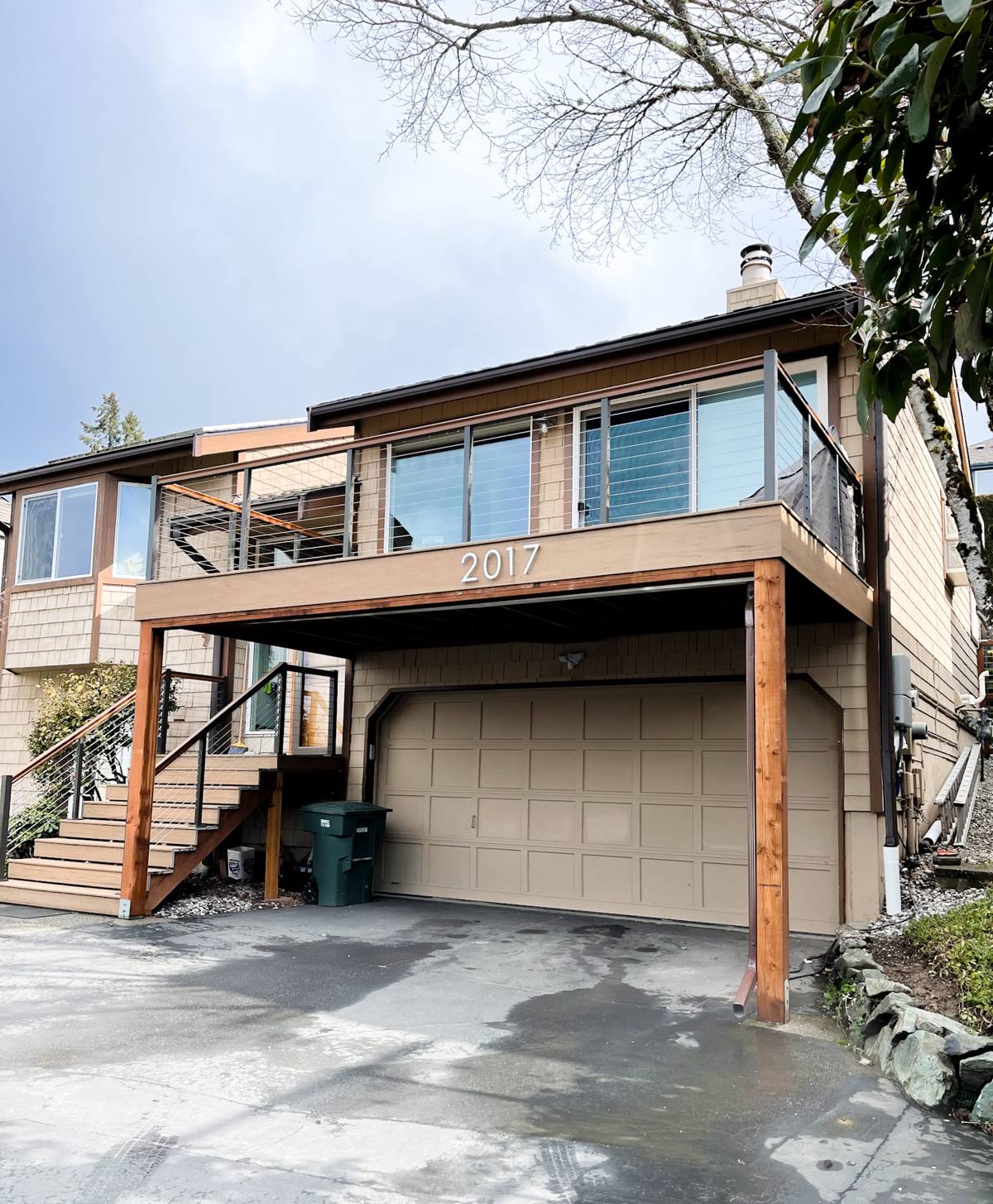
What the Climate Actually Does to a Deck
Salt Air and Corrosion
Airborne salt settles on every exposed surface, including the fasteners and connectors hidden inside the structure. Standard coated screws and nails that would be fine 30 miles inland can start rusting within a couple of years this close to the water. Corroded fasteners lose grip strength long before they look obviously failed, which is why a deck can feel "loose" even when the boards themselves look fine.
UV Breakdown
Florida sun is hard on every exterior material, but a horizontal deck surface takes the worst of it — direct overhead exposure for most of the day, most of the year. Wood dries out, splits, and silvers. Composite and PVC boards can fade or chalk unevenly depending on sun exposure and drainage. Any sealant or stain job has a shorter service life here than the same product would get in a milder climate.
Wind-Driven Rain and Moisture Cycling
Clearwater doesn't just get rain — it gets rain pushed sideways by wind, which finds its way into joints, ledger connections, and post bases that a straight-down rain would never reach. Combined with humidity that keeps wood damp longer between storms, this creates the kind of repeated wet-dry cycling that rots wood and corrodes metal from the inside out.
Hurricane and Tropical Storm Loading
Even decks that never see a direct hit take on repeated stress from tropical storm-force winds passing through the region most seasons. Loose railings, marginal ledger attachments, and undersized post connections that would never fail under normal use can fail under storm loading — or work themselves looser with every event, setting up the next failure.
Common Deck Problems We Find in This Area
- Soft, spongy, or spring-feeling deck boards, usually a sign of moisture trapped underneath
- Rust streaking around screw heads or bolt connections
- A ledger board (where the deck attaches to the house) that's soft, stained, or pulling away slightly
- Railings or posts that wiggle more than they used to
- Gaps opening up between composite or PVC boards, or boards that have bowed or cupped
- Stair stringers or footings that have shifted or settled
- Fading, chalking, or peeling finish on wood decking that's gone too long without maintenance
Any one of these can look cosmetic on the surface. The ledger connection and post/footing issues in particular are structural — they affect whether the deck is actually safe to load, not just how it looks.
Wood, Composite, and PVC: What Repair Looks Like for Each
The right repair approach depends heavily on what the deck is built from. Here's how the common decking types compare for this specific climate:
| Decking Type | How It Fails Here | Typical Repair Approach | Maintenance Burden |
|---|---|---|---|
| Pressure-treated wood | Splitting, graying, rot at fastener points and ground contact | Board replacement, sistering rotted framing, refastening with coastal-grade hardware, refinishing | High — needs re-sealing every 1-2 years in this sun and salt exposure |
| Composite decking | Fading, moisture wicking at cut ends, occasional board swelling | Board replacement (color-matched where possible), improving under-deck ventilation and drainage | Low — cleaning only, no sealing, but color match on repairs can be imperfect over time |
| PVC/vinyl decking | Surface chalking from UV, expansion/contraction stress at fasteners | Board replacement, fastener adjustment for thermal movement | Low — very moisture-resistant, but installation sensitivity matters more than with wood |
| Structural framing (any deck) | Rot or corrosion hidden under the decking surface | Full inspection of joists, ledger, posts, and connectors; replace or sister as needed | N/A — this is the part that determines actual safety |
We don't push one decking material as universally "better." Each has real trade-offs in maintenance, repair cost, and how it behaves in coastal conditions — we'll tell you honestly which one fits your deck's age, structure, and how you use it.
What a Correct Deck Repair Actually Involves
A repair that only replaces the boards you can see is incomplete. A correct deck repair in this climate covers three layers:
1. Structure First
Before touching a single deck board, we check the framing underneath — joists, the ledger board connection to the house, posts, footings, and the fasteners and connectors holding it all together. This is where hidden rot and corrosion actually live, and it's the part that determines whether the deck is safe.
2. Water Management
Most deck failures trace back to water that had somewhere to sit instead of somewhere to drain. That means checking flashing at the ledger board, making sure the deck surface and substructure can shed wind-driven rain, and confirming there's enough airflow underneath to let things dry out between storms.
3. Materials Matched to the Environment
Fasteners and structural connectors should be rated for coastal or salt-air exposure — stainless steel or heavy hot-dip galvanized, not the standard coated hardware that's fine further inland. Sealants and finishes need to be UV-stable products suited to Florida sun, applied correctly, not just whatever's fastest to spread on.
Our Repair Process
- Inspection: We check the full structure — decking, framing, ledger, posts, footings, and railings — not just the spot you called about.
- Honest scope: We tell you what's cosmetic, what's structural, and what's a repair versus what's genuinely close to end-of-life.
- Written estimate: Clear pricing before any work starts, with repair and replacement options laid out separately if both are on the table.
- Repair work: Rotted or corroded material removed and replaced, framing sistered or reinforced as needed, hardware upgraded to coastal-grade where it matters.
- Finish and protection: Sealing, staining, or finish work suited to Florida UV exposure, done correctly rather than rushed.
- Final walkthrough: We show you what was done and what to watch for going forward.
Repair or Replace? What Actually Drives That Decision
| Factor | Leans Toward Repair | Leans Toward Replacement |
|---|---|---|
| Framing condition | Joists and ledger are solid, damage is localized | Widespread rot or corrosion in the structural framing |
| Age of the deck | Newer deck with an isolated problem | Deck is old and this is the second or third repair round |
| Decking material | Composite/PVC with board-level damage only | Original wood decking failing across most of the surface |
| Cause of damage | One-time event (storm, isolated leak) | Ongoing moisture or drainage problem that will keep recurring |
| Budget goal | Extend usable life for a defined period | Want a long-term solution and reduced future maintenance |
We'll walk you through where your deck falls on this table honestly. Plenty of decks in this area just need targeted repair; some are genuinely past the point where repair makes financial sense. We'd rather tell you which is true than talk you into more work than you need.
Maintenance That Actually Extends the Life of Your Deck
- Rinse salt residue off the deck surface and railings periodically, especially after dry, windy stretches
- Keep gutters and downspouts clear so roof runoff isn't dumping extra water onto or near the deck
- Check under the deck seasonally for standing water, debris buildup, or signs of new staining on framing
- Reseal or refinish wood decking on the schedule the product actually needs in this sun exposure, not just when it looks bad
- Tighten or replace any hardware showing rust streaks before it fails, not after
- After any major storm, do a quick visual check of railings, posts, and stair connections
Why Hiring a Crew That Already Works Downtown Clearwater Matters
Deck repair done by a crew unfamiliar with coastal Florida conditions tends to miss the same things: fasteners that aren't rated for salt exposure, finishes that aren't built for this UV load, or a fix that looks fine on delivery day but doesn't hold up through a full storm season. A crew that regularly works in and around Downtown Clearwater has already seen how local decks fail — where the rot shows up first, which hardware actually holds up, and what a wind-driven-rain problem looks like before it becomes a structural one. That's not a marketing line — it's the difference between a repair that's guessing and one that's informed by what actually happens to decks here, year after year, in Pinellas County's climate.
If your deck in Downtown Clearwater has soft spots, loose railings, rusting hardware, or you just want an honest read on its condition, we're glad to take a look. Use the form below to request a free, no-pressure estimate — we'll tell you straight what we find and what your real options are.