 Clearwater Roofing
 Downtown Clearwater's Climate Is Hard on Decks
A deck in downtown Clearwater lives a different life than one inland. Between the bay breeze and the Gulf just a few miles away, homes here deal with a steady mix of salt-laden air, intense year-round UV, wind-driven rain, and the occasional hurricane-force gust that tests every fastener and footing. None of that is dramatic on its own, but stacked together over years, it's exactly why decks in this part of Pinellas County tend to fail sooner than the same structure would in a drier, cooler climate.
Salt air corrodes metal connectors and fasteners from the inside out, often long before the wood or composite boards on top show obvious wear. UV exposure breaks down the lignin in wood fibers and slowly degrades the surface resins in composite decking, leading to graying, splintering, or chalking. Wind-driven rain finds its way into every gap, seam, and screw hole, feeding rot in framing that looks fine from the top. And when a named storm comes through, it's the ledger board connection, the joist hangers, and the post bases — not the decking surface — that determine whether the structure holds or fails.
Understanding this is the starting point for any honest conversation about deck replacement in this neighborhood. A deck built to a generic national standard, without accounting for coastal Florida conditions, is set up to need major repair or full replacement years ahead of schedule.
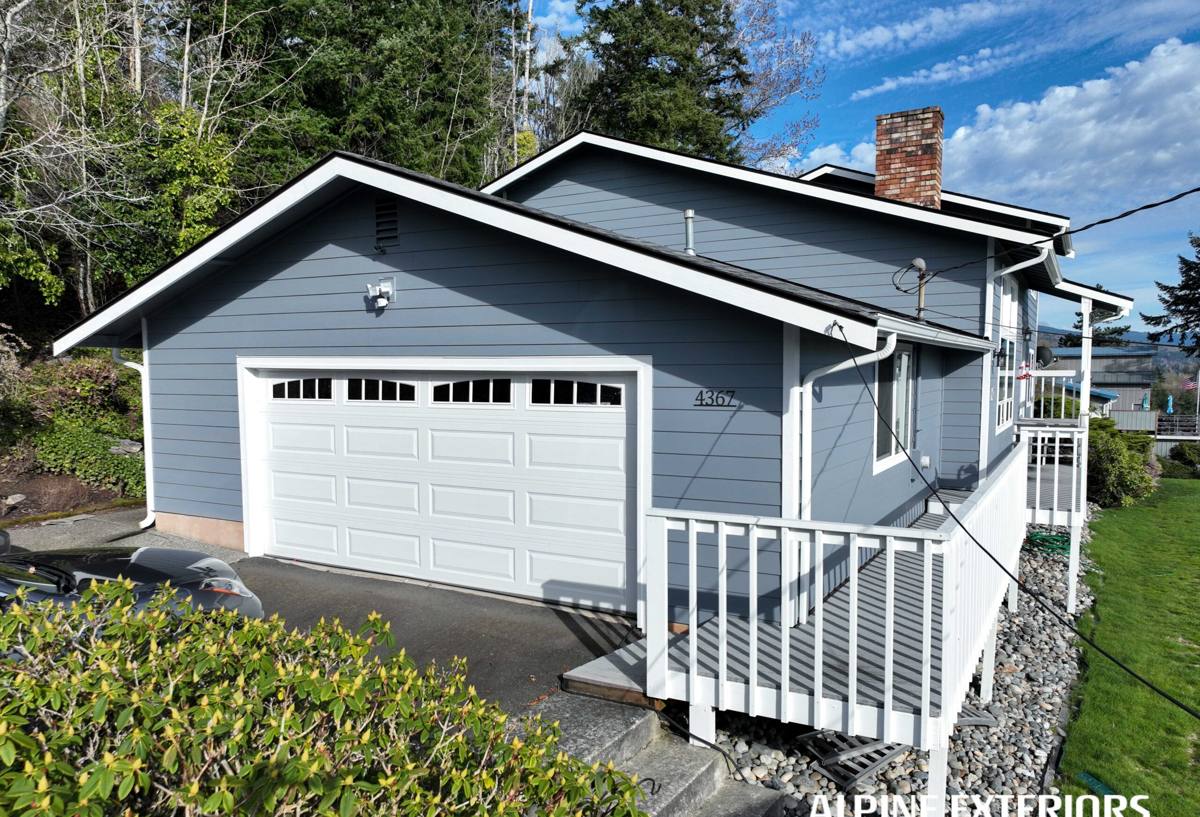
Signs Your Deck Has Reached the End of Its Life
Not every tired-looking deck needs full replacement — but plenty do, and in this climate the signs are often hiding below the surface. A deck that looks rough but is structurally sound might only need refinishing or a few board swaps. A deck that looks fine but has failing framing underneath is a safety issue waiting to happen.
- Soft, spongy, or bouncy spots when you walk across the deck
- Visible rot, splitting, or crumbling wood at the ledger board, posts, or joists
- Rust staining or visibly corroded fasteners, brackets, or joist hangers
- Boards that have cupped, warped, or separated significantly from their neighbors
- Railings or stair stringers that feel loose or wobble under normal weight
- Gaps or separation where the deck ledger meets the house
- A deck older than 15-20 years that has never had a full structural inspection
If you're seeing two or more of these, it's worth having someone look at the framing, not just the surface boards. A deck that fails a structural check isn't a candidate for patchwork repair — it's a candidate for replacement done correctly from the ground up.
What a Correct Deck Replacement Actually Involves
A proper deck replacement is not just pulling up old boards and screwing down new ones. The visible decking is the last part of the job, not the first. What happens underneath is what determines whether the new deck lasts five years or twenty-five in this climate.
Ledger Board and House Connection
The ledger board — where the deck attaches to the house — is the single most safety-critical connection on the entire structure. It needs proper flashing to keep water from wicking into the house's wall framing, correct fastener spacing, and, where the deck isn't fully self-supporting, structural connectors rated for the load. Water intrusion at this joint is one of the most common causes of hidden rot we find when we open up an old deck.
Footings and Posts
Footings need to be sized and set to local load requirements, and posts need corrosion-resistant bases that keep the wood off standing water. Undersized or shallow footings are a common shortcut in older or budget-built decks, and they're a major reason decks fail during high wind events.
Framing and Fasteners
Joists, beams, and hardware all need to be rated for exterior and, ideally, coastal use — stainless steel or heavy-duty coated fasteners, not standard hardware that will corrode within a few seasons of salt air exposure. Joist hangers, hurricane ties, and other structural connectors matter just as much as the lumber itself.
Decking Surface and Railings
Only once the structure underneath is right does the visible decking and railing system go on. This is where material choice, spacing for drainage and expansion, and finish work come into play, and it's covered in more detail below.
Choosing the Right Decking Material for This Climate
There's no single "best" decking material for every home — the right choice depends on budget, maintenance appetite, and how much direct sun and salt exposure the deck will see. Here's how the common options actually perform in a downtown Clearwater setting.
| Material | How It Handles UV & Salt Air | Maintenance | Typical Lifespan Here |
|---|---|---|---|
| Pressure-treated pine | Needs regular sealing to resist UV graying and moisture cycling | High — refinish every 1-2 years | 10-15 years with upkeep |
| Tropical hardwood | Naturally dense and rot-resistant, but still grays under intense UV without oiling | Moderate — periodic oiling for color | 20-25+ years |
| Capped composite | Strong resistance to UV fading and salt exposure due to a protective outer cap | Low — occasional cleaning | 25-30 years |
| PVC decking | Excellent moisture and salt resistance; won't rot or absorb water | Low — occasional cleaning | 25-30+ years |
We're honest with homeowners about trade-offs rather than pushing one product. Real wood has a warmth and price point some homeowners want, but it demands consistent maintenance to survive this climate — skip a season of sealing and UV plus humidity will start breaking it down. Capped composite and PVC cost more up front but largely remove the maintenance burden, which matters if you don't want deck upkeep on your annual to-do list. Uncapped or budget composite products are the one category we're cautious about recommending here: without a protective cap layer, some older-style composites can absorb moisture at cut edges and fastener points, which is a real liability in a humid coastal environment.
Permits, Wind Resistance, and Local Code Requirements
Deck replacement in Pinellas County isn't a project you do without a permit, and for good reason — the permitting and inspection process exists to make sure the structure underneath will actually hold up under Florida's wind and moisture conditions. Depending on the scope, a replacement may need a permit for the framing, plans showing footing and connection details, and inspections at key stages before the decking goes on.
This isn't paperwork for its own sake. Florida's building codes for exterior structures account for wind uplift and lateral load in a way that generic national standards don't always cover, and coastal Pinellas County exposure is a real factor in how a deck should be built. Skipping the permit process might save time up front, but it leaves you without a documented inspection trail — which can matter for insurance claims after a storm, and for resale when a buyer's inspector asks whether the deck was permitted.
We handle the permitting and inspection scheduling as part of the replacement process, so homeowners aren't left navigating county requirements on their own.
Our Deck Replacement Process
We keep the process straightforward and communicate at each stage, because a deck replacement affects how you use your outdoor space for the duration of the project.
- On-site assessment. We inspect the existing deck's framing, ledger connection, footings, and fasteners to determine what's salvageable versus what needs full replacement, and talk through material options based on your budget and maintenance preferences.
- Written estimate and plan. You get a clear scope of work, material selection, and price before anything is scheduled — no surprise add-ons mid-project.
- Permitting. We prepare and submit the required permit documentation and schedule inspections with the county.
- Demolition and disposal. The old deck comes down and is hauled away, with attention to protecting landscaping and the house exterior during removal.
- Structural rebuild. New footings, posts, ledger connection, and framing go in first, using corrosion-resistant hardware suited to coastal exposure, with inspection sign-off before decking begins.
- Decking and railing installation. Boards, railings, and stairs are installed with proper spacing for drainage and material expansion.
- Final walkthrough and cleanup. We walk the finished deck with you, cover care and maintenance specific to the material you chose, and make sure the job site is left clean.
Cost Factors Worth Understanding
Every deck is different, so we don't quote firm numbers without seeing the site, but the main variables that move the price are consistent across most Downtown Clearwater projects.
| Factor | Why It Affects Cost |
|---|---|
| Deck size and shape | More square footage and complex angles or multiple levels increase material and labor |
| Decking material chosen | Pressure-treated wood costs less up front than hardwood, composite, or PVC |
| Condition of existing structure | Rotted framing, undersized footings, or a compromised ledger connection add rebuild scope beyond the surface |
| Height and access | Elevated decks or those with stairs and complex railings take more labor than a low, simple deck |
| Permitting scope | Structural changes typically require more detailed plans and inspections than a like-for-like rebuild |
Because so much of a deck's real cost is in what's underneath, we'd rather walk your specific deck and give you an honest number than throw out a broad estimate that doesn't hold up once we start.
Caring for Your New Deck in a Coastal Climate
Whatever material you choose, a little routine care goes a long way toward hitting the upper end of its expected lifespan in this environment.
- Rinse off salt residue and debris periodically, especially after storms or high-wind days
- Keep gutters and downspouts clear so water isn't dumping directly onto or near the deck structure
- Reseal or oil wood decking on the schedule recommended for that species — don't wait until it looks gray and dry
- Check railings, stair connections, and any visible hardware once or twice a year for looseness or corrosion
- Trim back vegetation that traps moisture against the deck framing or fascia
- After any major storm, do a quick visual check of the ledger connection and footings before resuming normal use
Why Local Experience in Downtown Clearwater Matters
A deck built by a crew that only works inland, or only works in drier climates, often looks fine on day one and starts showing problems within a couple of seasons — the wrong fastener grade, insufficient flashing at the ledger, or a material choice that wasn't built for this level of UV and salt exposure. A crew that regularly works Downtown Clearwater and the surrounding Pinellas County coastline already knows which details can't be skipped here: the hardware grade that actually holds up, the flashing details that keep water out of the house framing, and the footing depth that won't work loose in soft or sandy soil common to this area.
There's also a practical side to local experience: familiarity with the county's permitting process means fewer delays and fewer surprises mid-project. And because we're not learning the local conditions on your project, the structural decisions get made right the first time, not corrected after a storm exposes a shortcut.
Ready to Talk About Your Deck?
If your deck is showing its age, feeling soft underfoot, or simply due for an honest structural look, we're happy to come take a look. We'll give you a straight assessment of what's actually going on, walk you through material options that make sense for a downtown Clearwater home, and provide a free, no-pressure estimate — no obligation, just clear information so you can make the right call for your home.