 Clearwater Roofing
 Roof Repair Built for Downtown Clearwater's Conditions
Homes in Downtown Clearwater sit close enough to the Gulf and Old Tampa Bay that the air itself is part of the maintenance picture. Salt-laden humidity, near-constant UV exposure, and the wind-driven rain that comes with Pinellas County's storm season all work on a roof at the same time, from different directions. A repair here isn't just patching a leak — it's addressing whichever combination of those forces got through the roof's defenses first, and making sure the fix doesn't just fail again in a year.
We repair roofs in this neighborhood regularly, which means we're not guessing at how a particular roof type holds up a few blocks from the water versus further inland. That local pattern recognition is often the difference between a repair that lasts and one that's a temporary patch.
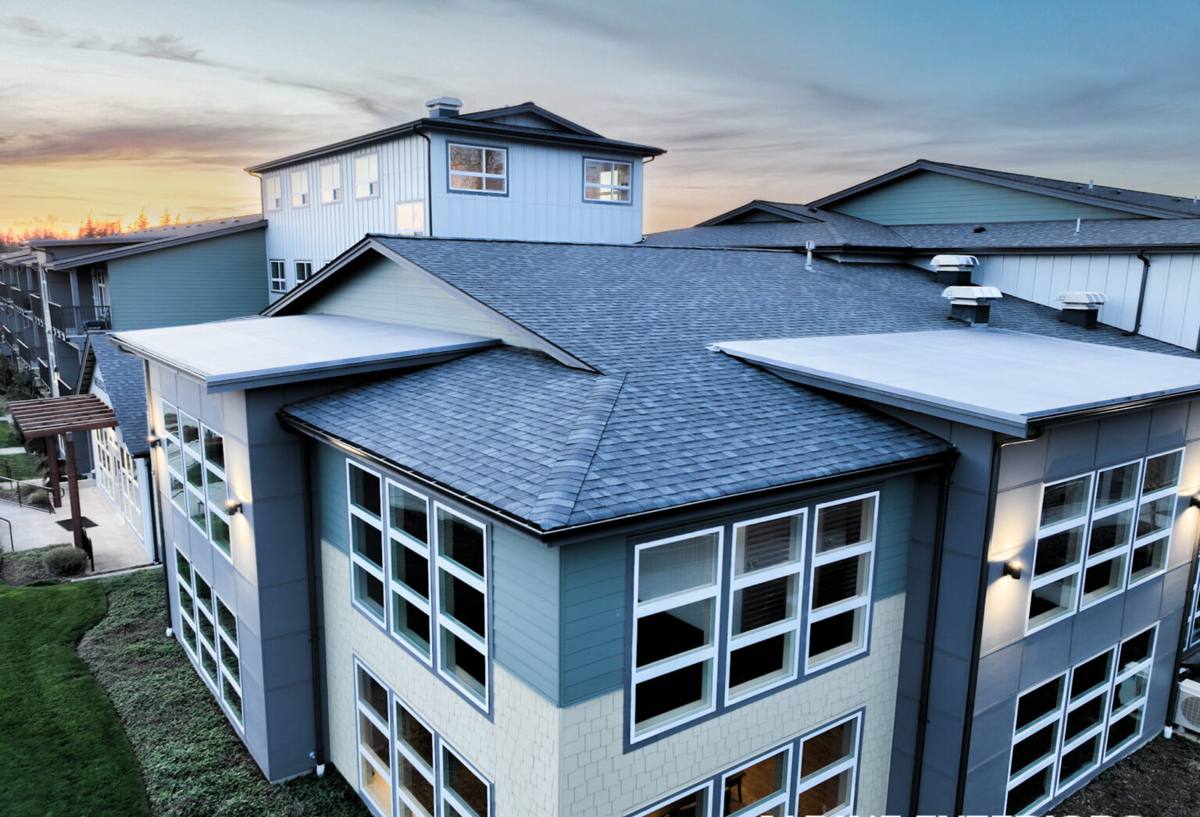
Why Downtown Clearwater Roofs Wear Differently
Salt Air and Metal Fasteners
Proximity to the water accelerates corrosion on exposed metal — nail heads, flashing edges, pipe boots with metal collars, and older screws on shingle tabs. Once a fastener starts to corrode, it loses its grip and its seal, which is how small leaks start even on a roof that looks intact from the ground.
UV Load, Nearly Year-Round
Florida sun breaks down asphalt shingle granules and dries out sealant strips faster than in most parts of the country. A roof that's 12-15 years old here has typically taken more cumulative UV exposure than the same roof would in a milder climate, which shows up as brittleness, granule loss, and cracked sealant long before the shingles reach their rated lifespan.
Wind-Driven Rain
Straight-down rain rarely finds a way in. Wind-driven rain — the kind that comes sideways during a Gulf storm or a fast-moving summer system — gets pushed up under shingle tabs, around flashing laps, and into any gap that wouldn't matter in calmer weather. Downtown Clearwater's exposure means roofs here see more of this angled-rain stress than homes tucked further from open water.
Hurricane-Force Wind Events
Even when a storm doesn't make direct landfall nearby, tropical systems passing through the Gulf can bring sustained winds strong enough to lift shingle edges, loosen ridge caps, and stress flashing seams. That damage is sometimes invisible from the ground until a leak shows up weeks later.
What a Correct Roof Repair Actually Involves
A repair that holds up under these conditions starts with finding the real cause, not just the visible symptom. Water rarely enters where it shows up on a ceiling — it travels along rafters, decking, and underlayment before it drips somewhere convenient to notice. Here's the sequence we follow on a legitimate repair:
- Full roof inspection, not just a spot check. We look at the whole roof plane, not only the area near the reported leak, since wind and UV damage rarely stay isolated to one spot.
- Trace the water path. Interior stains and exterior damage often don't line up directly — tracing the actual path is what prevents a repair from missing the real entry point.
- Check the decking underneath. If water has been getting in for a while, the plywood decking underneath may be softened or delaminating. Patching shingles over compromised decking doesn't fix anything.
- Repair or replace flashing. Flashing around chimneys, walls, skylights, and roof-to-wall transitions is the single most common repair-failure point we see. It gets redone properly, not just re-caulked.
- Match materials correctly. Shingle color, granule type, and profile all matter for a repair that doesn't stand out or create an uneven wear pattern going forward.
- Verify the seal. Sealant, fastener pattern, and shingle overlap all get checked against manufacturer specs — not just "close enough."
Common Repair Scenarios We See in This Area
| Issue | Typical Cause Here | What the Fix Involves |
|---|---|---|
| Ceiling stain after a storm | Wind-lifted shingle tab or flashing seam opened by sustained wind | Re-seat or replace shingles, rebuild flashing seal, check decking for saturation |
| Granule buildup in gutters | UV breakdown of aging asphalt shingles | Assess remaining shingle life; spot-repair if isolated, discuss replacement timeline if widespread |
| Rusted or lifted nail heads | Salt air corrosion on exposed fasteners | Replace fasteners with corrosion-resistant hardware, reseal affected shingles |
| Leak around a vent pipe | Cracked rubber pipe boot from sun exposure | Replace boot collar, check surrounding shingle seal |
| Recurring leak in the same spot | Prior repair addressed the symptom, not the entry point | Full water-path trace, decking inspection, proper flashing rebuild |
How Our Process Works, Start to Finish
We keep this straightforward because most homeowners just want to know what's actually wrong and what it takes to fix it correctly.
- Free on-site inspection. We walk the roof (weather permitting) and document what we find with photos.
- Plain-language diagnosis. We explain what's causing the issue, not just what's leaking, and what happens if it's left alone.
- Written estimate. Scope and cost factors are laid out before any work starts — no surprise add-ons mid-job.
- Repair scheduled around weather. We work with, not against, Pinellas County's rain patterns to avoid starting a repair that can't be sealed the same day.
- Cleanup and final check. Debris is cleared and the repair area is checked once more before we consider the job done.
What Drives the Cost of a Roof Repair
Every repair is different, but the same handful of factors typically determine scope and price. Knowing them ahead of time helps set realistic expectations before an inspection.
| Factor | Why It Matters |
|---|---|
| Extent of decking damage | Rotted or soft plywood underneath the shingles adds materials and labor beyond a surface patch |
| Roof pitch and access | Steeper roofs and limited access points affect labor time and safety setup |
| Age and condition of surrounding shingles | Older, brittle shingles nearby may need to be replaced along with the repair area to get a clean seal |
| Flashing complexity | Roofs with multiple penetrations — chimneys, skylights, wall transitions — take more time to seal correctly |
| Material matching | Sourcing a close shingle match can affect cost and timeline depending on the existing roof's age |
As a general rule, isolated repairs — a section of flashing, a handful of damaged shingles, a pipe boot — run in the low hundreds to low thousands of dollars. Repairs involving decking replacement or larger wind-damaged sections cost more, and we'll always give you that range in writing before starting.
Signs a Downtown Clearwater Homeowner Shouldn't Ignore
- Granules collecting in gutters or at the base of downspouts
- Shingle tabs that look curled, cracked, or lifted at the edges
- Rust streaks running down from flashing or fasteners
- A musty smell in the attic, even without a visible ceiling stain
- Daylight visible through the roof deck from inside the attic
- Missing or displaced shingles after any storm with sustained wind
- Soft spots when walking the roofline (for us to check — never walk your own roof to inspect this)
Any one of these on its own might be minor. Several together usually mean the roof has been dealing with more than one of the stresses common to this area — sun, salt, and wind — for longer than it should have.
Why Local Experience on This Job Matters
Roof repair looks similar on paper everywhere, but the details that make a repair actually last are regional. A crew that mostly works inland roofs may not default to corrosion-resistant fasteners the way a crew working blocks from the water does. A crew unfamiliar with how Gulf-facing wind behaves during a passing storm may underestimate how far wind-driven rain can travel under a shingle edge.
Working regularly in and around Downtown Clearwater means we're not learning these lessons on your roof. We already know which flashing details tend to fail first on homes in this part of Pinellas County, which fastener grades hold up against the salt air, and how to sequence a repair around the area's rain patterns so it gets properly sealed the same day it's opened up.
Roof Repair vs. Roof Replacement: Making the Right Call
Not every damaged roof needs to be replaced, and not every repair is the right long-term answer. Part of an honest inspection is telling you which situation you're actually in.
- Repair usually makes sense when: damage is isolated to one area, the roof is under roughly 15 years old, and the surrounding shingles are still flexible and well-sealed.
- Replacement is worth discussing when: damage recurs in multiple spots, granule loss is widespread rather than localized, the decking shows signs of moisture damage in more than one area, or the roof is approaching the end of its expected lifespan regardless of the current issue.
We'll tell you honestly which category your roof falls into rather than defaulting to whichever service is more profitable for us. A repair that's patched onto a roof that genuinely needs replacement just delays a larger cost and risks more interior damage in the meantime.
Maintaining a Repaired Roof in This Climate
Once a repair is done correctly, a little seasonal attention keeps it — and the rest of the roof — performing well against Clearwater's conditions:
- Have the roof visually checked after any storm with sustained winds, even if no leak shows up right away
- Keep gutters clear so wind-driven rain has somewhere to go instead of backing up under the roof edge
- Trim back any overhanging branches that could scrape shingles or drop debris during high wind
- Watch for granule buildup as an early warning sign rather than waiting for an active leak
- Schedule a roof check-up every couple of years, particularly as the roof passes the 10-year mark
If you're dealing with a leak, storm damage, or just want an honest read on your roof's condition, we're happy to take a look. The estimate is free, there's no pressure to move forward, and you'll walk away with a clear, plain-language explanation of what your roof actually needs — just fill out the form below to get started.