 Clearwater Roofing
 Why Downtown Clearwater Siding Wears Out Faster Than You'd Expect
Homes near the Downtown Clearwater core sit in one of the more demanding stretches of exterior climate in Pinellas County. You've got tropical-storm and hurricane-force wind gusts several times a year, some of the most intense year-round UV exposure in the continental United States, wind-driven rain that gets forced sideways into seams and trim, and a steady dose of salt-laden air rolling in off the water. Any one of those on its own is manageable. Together, they compound. UV breaks down surface coatings faster, which exposes the substrate underneath to moisture, which then gets driven deeper into the wall assembly every time a storm pushes rain horizontally instead of straight down. Salt air accelerates corrosion on fasteners and trim hardware that isn't rated for it. That combination is why siding that might last decades in a drier, calmer climate can start failing in half that time here.
We're not describing a hypothetical. It's the pattern we see on almost every siding call in this part of Clearwater: a product that looked fine from the street for years, then failed quickly once moisture found a way in behind it.
Downtown Clearwater's Mixed Housing Stock Means Mixed Starting Points
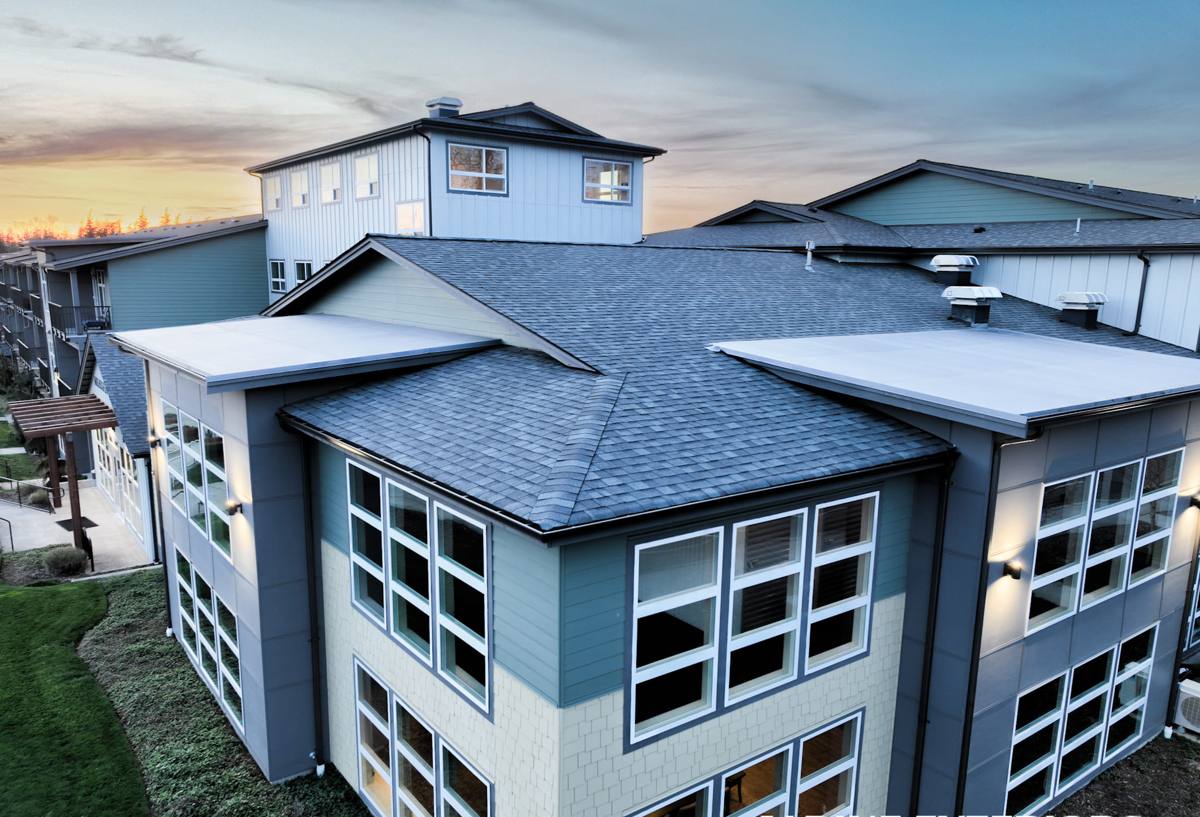
Downtown Clearwater has a real mix of building eras — older homes with original wood, aluminum, or early-generation vinyl siding closer to the downtown core, alongside newer infill construction and renovated properties. That mix matters because it means there's no single "typical" starting condition. Some homes we're called to have decades-old siding that was never designed for today's wind and moisture demands. Others have siding that's only ten or fifteen years old but was installed with shortcuts that are now showing up as bubbling, soft spots, or gaps at the trim. A correct replacement plan starts with an honest look at what's actually on the wall now and what's happening underneath it, not just a guess based on the home's age.
Signs Your Downtown Clearwater Home's Siding Has Reached the End of the Road
Most siding doesn't fail all at once — it gives you warning signs first. If you're noticing any of the following, it's worth having it looked at before small problems become structural ones:
- Bubbling, blistering, or peeling paint that keeps coming back within a year or two of repainting
- Soft or spongy spots when you press on the siding, especially near the bottom courses or around windows
- Visible warping, waviness, or panels that no longer sit flat against the wall
- Gaps opening up at seams, corners, or trim where caulk keeps failing
- Increased insect activity, especially termites or carpenter ants, around the siding line
- Rising cooling bills that suggest the wall assembly is no longer keeping conditioned air in
- Mold, mildew, or dark staining that returns quickly after cleaning
Any single item on that list might be a minor repair. Several of them together, especially on a home that's due for its next repaint anyway, usually means it's more cost-effective to replace the siding correctly than to keep patching it.
What a Correct Siding Replacement Actually Involves
Siding replacement done right is not just swapping old panels for new ones. The visible siding is the last layer of a system, and every layer underneath it matters as much as the finish you see from the street.
Tear-Off and Inspection
We remove the existing siding down to the sheathing and take a real look at what's there. This is the point where hidden rot, water damage, or compromised framing gets found — and it needs to get fixed before anything new goes up. Covering over a moisture problem with new siding just hides it for a few more years until it resurfaces, usually worse.
Water-Resistive Barrier and Flashing
A correctly installed water-resistive barrier, with properly integrated flashing at every window, door, and penetration, is what actually keeps wind-driven rain out of the wall cavity. This is one of the most commonly rushed steps in the trade, and it's also the step that determines whether a home stays dry during the next tropical storm or ends up with hidden rot two years later.
Fastening and Clearances
Fastener type, spacing, and embedment all need to match the manufacturer's specification for the local wind zone — not a generic pattern used everywhere regardless of exposure. Proper clearance from grade, roofline, and other transitions also matters for keeping water moving away from the wall instead of wicking into it.
Finish
The final layer is what protects everything underneath it from UV and weather for the life of the product. This is where the choice of material matters most.
Why We Install James Hardie Fiber Cement and Nothing Else
We made a decision as a company to install James Hardie fiber cement siding exclusively. We don't install vinyl, LP SmartSide, Cemplank, Allura, primed spruce, or cedar. That's not a marketing position — it's a professional standard we hold to because of what we've seen play out on real homes in this climate over time.
Vinyl siding can look fine for years, but intense, sustained UV exposure like Clearwater gets tends to accelerate fading and can make the material more brittle over time, and it isn't the most forgiving material when wind-driven rain gets behind a panel. Wood and engineered wood products like LP SmartSide can perform well when maintained aggressively, but they demand more ongoing upkeep to stay ahead of moisture in a climate this humid, and that maintenance burden is a real cost homeowners should weigh honestly before choosing them. James Hardie's fiber cement is non-combustible, holds up to repeated wet-dry cycling better than wood-based products, and comes with a factory-applied ColorPlus finish engineered to resist fading from UV exposure — which matters enormously somewhere that gets sun year-round. Hardie also engineers specific HardieZone product lines for different climate demands, including formulations built for high-moisture, high-humidity regions like ours. We'd rather stand behind one product system we trust completely than offer a menu of options and let a homeowner unknowingly choose the one that will give them the most headaches five years down the road.
How Local Climate Stress Maps to What Your Siding Needs to Do
| Climate Stressor | What Happens to Siding | What Correct Siding Needs |
|---|---|---|
| Hurricane-force wind gusts | Panels loosen, fasteners back out, edges lift | Manufacturer-spec fastening schedule rated for the local wind exposure |
| Year-round intense UV | Coatings fade, chalk, and break down, exposing substrate | A factory-applied finish engineered for UV resistance, not just field-painted coatings |
| Wind-driven rain | Water forced sideways into seams, trim, and penetrations | Properly integrated water-resistive barrier and flashing at every opening |
| Salt air | Accelerated corrosion of fasteners and trim hardware | Corrosion-resistant fasteners and trim rated for coastal exposure |
| High humidity, wet-dry cycling | Wood-based products swell, shrink, and eventually rot at seams | A material that holds dimensional stability through repeated moisture cycles |
Our Process for a Downtown Clearwater Siding Replacement
Working in the Downtown Clearwater area comes with its own logistics, and we plan for them upfront rather than figuring it out on the fly:
- On-site assessment of the existing siding, sheathing condition, and any problem areas you've already noticed
- A clear, itemized proposal covering material, prep work, and any sheathing repair we expect to encounter
- Permitting through the appropriate local building department before any work begins
- Scheduling that accounts for tighter lots, on-street parking, and proximity to neighbors that's common closer to the downtown core
- Tear-off, sheathing repair where needed, and correct installation of water-resistive barrier and flashing
- Installation of James Hardie siding to manufacturer specification for our wind exposure
- Daily site cleanup and a final walkthrough before we consider the job done
Homes near the downtown core often sit on smaller lots with less room to stage materials and debris, and some have limited street parking for a crew and dumpster. None of that is a problem when it's planned for ahead of time, but it does mean the job runs smoother with a crew that's done it before in this specific part of Clearwater rather than one working the area for the first time.
Why Hiring a Crew That Already Works Downtown Clearwater Matters
Siding replacement is a permitted, inspected trade, and the details that make a job go smoothly are often local ones. A crew that regularly works in and around Downtown Clearwater already understands the City of Clearwater's permitting process, has a working relationship with local inspectors, and knows what wind exposure and moisture conditions to plan for this close to the water. That familiarity shows up in fewer surprises mid-project — not because the work itself is different, but because the planning around it accounts for real local conditions instead of generic assumptions.
It also matters for response time. If a storm damages siding or trim, a crew already established in the area can typically get eyes on the problem faster than one dispatching from farther away, which matters when wind-driven rain is actively finding a way into an open seam.
What to Have Ready Before Your Estimate
- Rough age of your current siding, if known
- Any areas of visible damage, staining, or soft spots you've already noticed
- Whether you've had recent leaks, interior staining, or musty odors near exterior walls
- Any HOA or architectural guidelines that may apply to exterior changes on your property
- Your general timeline and whether storm season is a scheduling factor for you
Having these ready doesn't just speed up the estimate — it helps us give you a more accurate scope from the first visit instead of revising it later.
Ready for an Honest Look at Your Siding?
If your Downtown Clearwater home's siding is showing its age or you just want a straight answer on whether it's due for replacement, we're happy to come take a look. The estimate is free, there's no pressure, and you'll get a clear explanation of what we see and why — use the form below to get started.