 Clearwater Roofing
 Siding Repair in Harbor Oaks: What Clearwater's Climate Puts Your Home Through
Harbor Oaks sits close enough to Clearwater Harbor and the Gulf that its homes take a different kind of beating than siding fifty miles inland. Between salt-laden air, intense year-round UV, and the wind-driven rain that comes with a Pinellas County hurricane season, exterior siding here works harder than most manufacturers' warranty language assumes. When siding starts to fail in Harbor Oaks, it's rarely one dramatic event. It's usually months or years of accumulated exposure finally showing up as a cracked panel, a soft spot near a window, or paint that just won't hold anymore.
That's the backdrop for every siding repair call we get in this neighborhood. We're not guessing at what these homes need — we've worked on enough of them to know which parts of a house tend to fail first, what usually causes it, and what an actual fix looks like versus a patch that buys six months and calls it done.
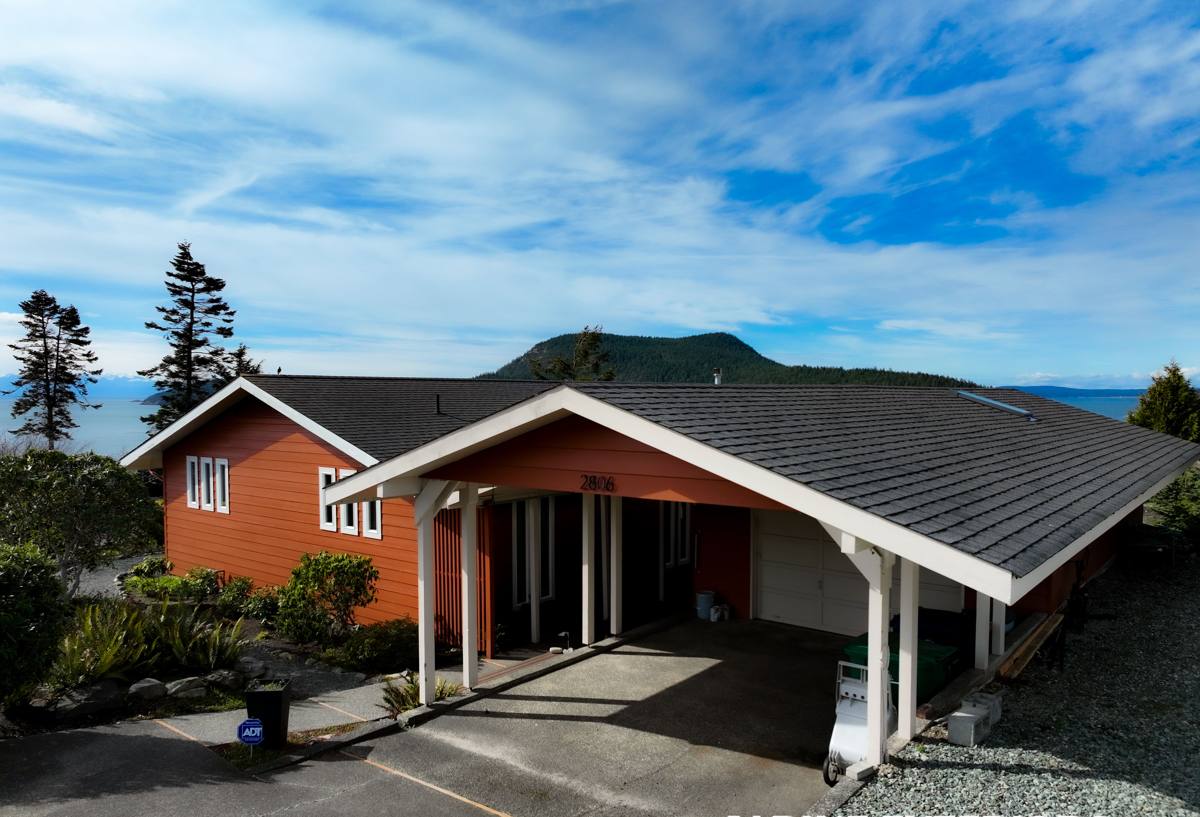
Why Siding Fails Faster in a Neighborhood Like This One
Sun and Heat
Clearwater sees strong, direct sun almost every day of the year. On siding, that means constant expansion and contraction, UV breakdown of paint film and caulk, and — on lower-grade materials — surface chalking or fading well before a homeowner expects it. South- and west-facing walls, which get the longest, hottest sun exposure, are almost always the first place we find problems on a repair call.
Wind-Driven Rain
Rain that falls straight down is easy for siding to shed. Rain that's being driven sideways by wind — which is the normal condition here during summer storms and any tropical system — finds every gap, every failed caulk joint, and every loose piece of trim. Once water gets behind siding instead of running off the face of it, the damage happens where you can't see it, in the sheathing and framing underneath.
Salt Air
Harbor Oaks' proximity to the water means a steady low-level exposure to salt in the air. Salt accelerates corrosion on exposed fasteners and metal trim, and it degrades paint and caulk faster than the same materials would hold up in a drier, inland climate. It's a slow effect, but it's a real one, and it's a big part of why "how a repair is sealed and fastened" matters as much as "what material was used."
Signs Your Harbor Oaks Home May Need Siding Repair
Most siding problems give some warning before they become expensive ones. Homeowners who catch these early usually end up with a straightforward repair; homeowners who wait often end up looking at rot remediation or a larger section replacement.
- Cracked, split, or visibly warped siding panels or boards
- Soft or spongy spots when you press on the siding, especially near the bottom of walls or below windows
- Gaps opening up at seams, corners, or where siding meets trim, windows, or doors
- Paint that's peeling, bubbling, or flaking in a specific area rather than evenly across the whole house
- Dark staining or streaking, particularly near the ground or below roof lines, which can point to trapped moisture
- Panels that have visibly buckled, lifted, or pulled away from the wall
- Fastener heads popping through the surface or visible rust bleeding from nail or screw points
- A musty smell near an exterior wall, or interior wall staining that lines up with an exterior problem area
Any one of these on its own might be minor. Several together, or any sign near a window, door, or roofline, is worth having looked at before the next storm season rather than after.
What a Correct Siding Repair Actually Involves
Diagnosing the Real Cause, Not Just the Symptom
A cracked board or a stained patch is a symptom. The job of a real repair is figuring out what's causing it — a failed caulk joint letting water behind the wall, a flashing detail that was never installed correctly, a gap that's letting wind-driven rain in during every storm — and fixing that root cause along with the visible damage. Replacing a damaged board without addressing why it failed just means the replacement fails the same way, on the same timeline.
Checking What's Behind the Siding
Once damaged material is removed, we check the water-resistive barrier, sheathing, and framing underneath before anything new goes back on. If moisture has been getting in for a while, there can be damage back there that isn't visible from the outside. Closing that up without checking it is how a small repair turns into a much bigger problem a year or two later.
Matching Existing Siding
On a repair — as opposed to a full re-side — matching the profile, exposure, and finish of the existing siding matters for both appearance and performance. Mismatched materials or panel thicknesses can create new water paths at the transition point, which is the opposite of what a repair should do.
Sealing and Fastening for This Climate
Given the salt air and wind exposure in Harbor Oaks, we pay close attention to fastener type and placement, and to using sealants and flashing details rated for coastal, high-UV conditions rather than whatever is cheapest at a big-box store. This is a small line-item difference on a repair invoice and a meaningful difference in how long that repair actually lasts.
Repair or Replace? How We Make the Call
Not every siding problem needs a full re-side, and not every damaged section is worth chasing with repeated patches. We look at the extent of the damage, the condition of the material around it, and the age and type of the existing siding to give homeowners an honest recommendation rather than defaulting to the bigger job.
| Factor | Usually points to repair | Usually points to replacement |
|---|---|---|
| Extent of damage | Isolated to one wall or a few sections | Spread across multiple sides of the house |
| Underlying structure | Sheathing and framing found sound once opened up | Rot or water damage found in the structure itself |
| Age of existing siding | Relatively recent, still performing well elsewhere | Near or past its expected service life |
| Material condition | Sound material with a localized failure point | Widespread chalking, warping, or fastener failure |
| Cause of failure | A fixable detail — flashing, caulk, an impact point | A systemic issue with the material or original install |
When the honest answer is "this needs more than a repair," we'll say so — and explain why, rather than letting a house get patched over and over until it costs more in total than doing it right once would have.
Why We Repair and Install Only James Hardie Fiber Cement
Every siding repair call is also a decision point about what goes back on the wall. We install James Hardie fiber cement exclusively, and that includes the material we use for repairs and patch-ins. We don't install vinyl, LP SmartSide, Cemplank, Allura, or primed wood siding, and we think homeowners deserve the real reasons why, not just a brand preference.
Fiber cement is non-combustible, holds paint and color far longer than engineered wood or vinyl in intense UV, and doesn't have the same moisture-driven failure modes that wood-based products can develop if a seam or caulk joint fails. James Hardie's HZ5 product line is specifically engineered for hot, humid, high-moisture climates like ours, and the ColorPlus factory finish is baked on and warrantied against fading and peeling in a way that field-applied paint on other materials isn't. It also carries a strong, transferable warranty, which matters if you sell the house down the road.
None of this means other materials are junk — vinyl and LP SmartSide both have real advantages, mainly cost and installation speed. It means that after years of repair calls, we standardized on the material that holds up best to Clearwater's specific combination of sun, salt, and storms, and we'd rather tell a homeowner that up front than sell them something we don't believe will last.
Our Process for Harbor Oaks Siding Repair Calls
- Inspection. We walk the exterior, identify every problem area (not just the one that prompted the call), and check for signs of moisture behind the siding.
- Diagnosis. We explain what's causing the damage — impact, wind, water intrusion, a failed original install detail — and what fixing it actually requires.
- Written plan and estimate. A clear scope of what will be repaired, what material will be used, and what it will cost, with no vague allowances.
- Removal and structural check. Damaged siding comes off, and what's underneath gets inspected before anything new is installed.
- Repair and reseal. Matching material is installed, flashing and sealant details are corrected where needed, and fasteners are set to hold up in coastal conditions.
- Final walkthrough. We review the completed work with the homeowner before calling the job done.
Why a Crew That Already Works Harbor Oaks Matters
Siding repair is detail work, and the details that matter change by neighborhood. A crew that regularly works Harbor Oaks already knows the age range and common siding types found on its homes, has a good sense of which walls take the worst sun and wind exposure, and isn't learning the neighborhood's quirks on your dime. That familiarity shows up in smaller ways too — knowing what a typical original installation from a given era looked like, or recognizing a failure pattern because it's the third time this month we've seen it two streets over.
It also means faster, more accurate estimates. Because we're not unfamiliar with the housing stock or driving in blind, we can generally diagnose a problem and scope a repair without multiple return visits, which keeps the process moving — something that matters more, not less, when a repair is needed ahead of storm season.
Keeping Your Siding in Good Shape After a Repair
A correctly done repair should last for years, but a little routine attention helps it — and the rest of your siding — go the distance in this climate.
- Rinse siding periodically to remove salt residue, especially on walls facing open water or prevailing wind
- Inspect caulk joints around windows, doors, and trim once or twice a year and reseal any that look cracked or shrunken
- Trim back landscaping that keeps a section of wall shaded and damp, which slows drying after rain
- Walk the exterior after any significant storm and look for new cracks, lifted panels, or debris impact damage
- Address small issues promptly — a small gap or crack is a repair; the same issue left through a few storm seasons often isn't
If you're seeing any of the warning signs above on a Harbor Oaks home, or you'd just like an honest opinion on whether a problem area needs a repair or something more, we're glad to take a look. Use the form below to request a free, no-pressure estimate.