 Clearwater Roofing
 Roofing on a Barrier Island: What Indian Rocks Beach Asks of a Roof
Indian Rocks Beach sits right on the Gulf, and that location is exactly what makes roofing here different from roofing a few miles inland. A home on this barrier island takes on salt-laden air every day of the year, sits exposed to wind coming straight off open water with nothing to slow it down, and bakes under intense Florida sun for months at a stretch. An asphalt shingle roof that would hold up fine in a shaded, inland Pinellas County neighborhood can wear out years early here if it isn't built and installed with those specific conditions in mind.
This page covers what we look at when we install or replace asphalt shingle roofing on Indian Rocks Beach homes, what separates a correct install from a shortcut one, and why local experience on this stretch of coast actually changes the outcome.
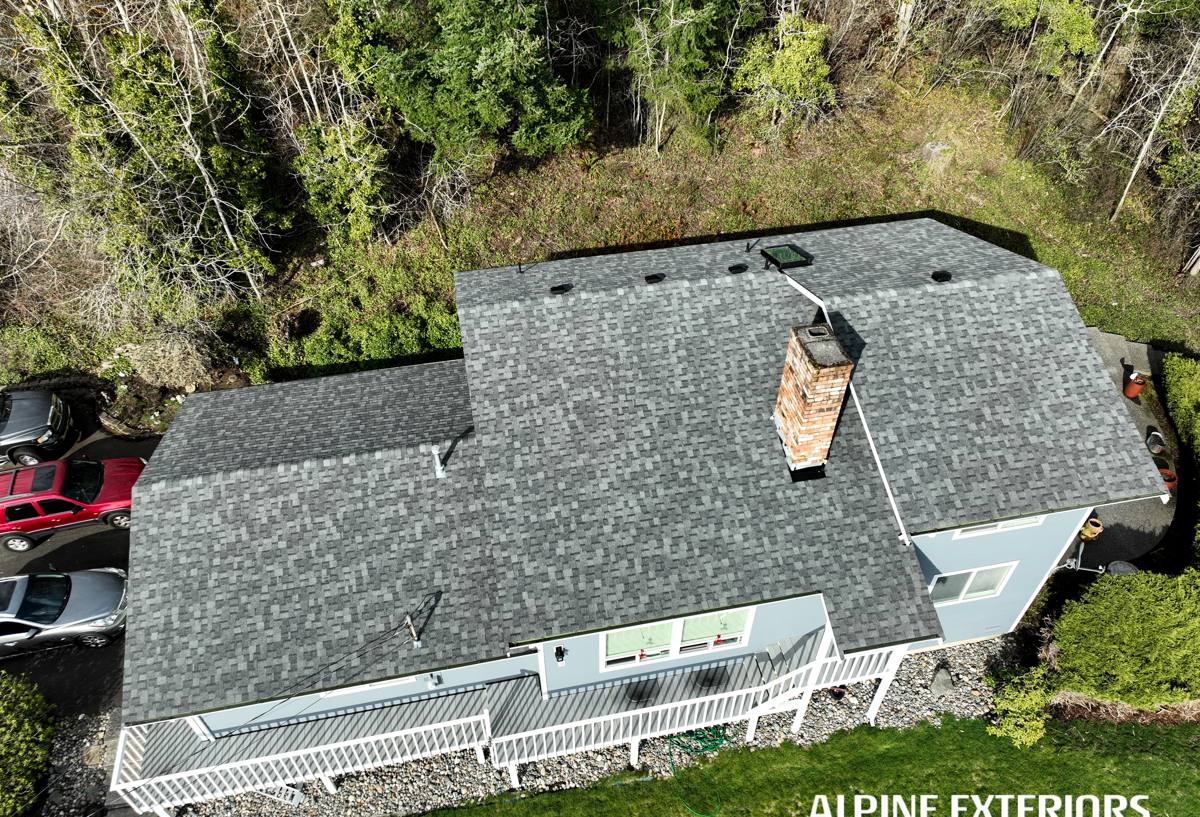
What the Local Climate Does to an Asphalt Shingle Roof
Hurricane-Force Wind
Wind is the number one threat to a shingle roof on a barrier island. Storms don't need to make direct landfall nearby to push damaging gusts across Indian Rocks Beach, and the open water to the west means there's little to break wind speed before it hits a roofline. Shingles fail in wind almost always at the edges and corners first — the perimeter, the ridge, and any place the nailing pattern was rushed or the adhesive strip never sealed properly.
Year-Round UV
Central Florida gets strong sun in every season, not just summer. UV exposure breaks down the asphalt in shingles over time, drying out the mat and making the granules that protect against water and sun loosen and shed. On a beach property with no tree canopy to speak of, a roof gets the full dose of that sun exposure with no relief.
Wind-Driven Rain
Rain that comes in sideways during a squall or tropical system behaves differently than rain falling straight down. It can work backward under shingle edges, around vent boots, and into any flashing detail that was installed to code minimum instead of installed correctly. This is where underlayment choice and flashing detail matter more than the shingle itself.
Salt Air
Airborne salt corrodes exposed metal — nail heads, flashing, vent stacks, gutter hardware — faster near the water than it does even a few miles inland. Once fasteners or flashing start to corrode, they lose holding strength and can leak or work loose well before the shingles themselves are worn out.
What a Correct Asphalt Shingle Install Looks Like Here
A roof that's going to hold up on Indian Rocks Beach needs every layer working together, not just a good shingle on top. The components that matter most in this environment:
- Deck inspection and repair — any soft, delaminated, or water-stained decking gets replaced before anything goes on top of it, not covered over.
- High-wind-rated underlayment — a synthetic or self-adhering underlayment rated for high wind exposure, not the lightest-duty option available.
- Corrosion-resistant fasteners and flashing — hardware chosen for salt air exposure, not standard-grade steel that will rust prematurely this close to the Gulf.
- Correct nailing pattern — the right number of nails, in the right location on each shingle, per the manufacturer's high-wind installation instructions. This single detail is one of the biggest differences between a roof that survives a wind event and one that doesn't.
- Sealed starter strip at all edges — the perimeter is where wind uplift starts; a properly sealed starter course resists that first point of failure.
- Balanced attic ventilation — intake and exhaust ventilation sized to let heat and moisture escape, which protects the shingles from below as well as above.
- Detailed flashing at every penetration — valleys, vent stacks, chimneys, and wall transitions, each flashed individually rather than relying on sealant alone.
None of this is exotic. It's standard trade practice done without shortcuts — but on a beach property, skipping any one of these steps shows up as a problem sooner rather than later.
Choosing the Right Shingle for a Beach Property
Not every asphalt shingle product is built for the same conditions. For Indian Rocks Beach, we generally steer homeowners toward shingles with a higher wind rating and a strong warranty structure, since the trade-offs between tiers matter more here than they would inland.
| Shingle Type | Typical Wind Rating | Best Fit For | Trade-Offs |
|---|---|---|---|
| 3-tab (economy) | Lower wind rating | Budget-driven projects, non-coastal exposure | Shorter lifespan in high-UV, high-wind coastal settings; less impact resistance |
| Architectural / laminate | Mid-to-high wind rating | Most Indian Rocks Beach homes | Higher upfront cost than 3-tab, but better wind and UV performance over the life of the roof |
| High-wind / impact-rated laminate | Highest available wind rating | Direct waterfront exposure, insurance premium reduction goals | Highest upfront cost; installation must meet the manufacturer's exact fastening spec to qualify for the rating |
We'll walk through these options honestly, including what each one actually costs to install correctly and what it's likely to save in maintenance and insurance over time — not just the sticker price of materials.
Our Process for Indian Rocks Beach Roofing Projects
- On-site inspection — we look at the deck, existing flashing, ventilation, and any signs of prior wind or water damage before quoting anything.
- Written proposal — a clear scope covering materials, fastening method, flashing detail, and cleanup, so there's no ambiguity about what's included.
- Permitting — pulled through the appropriate Pinellas County building authority before work starts, as required for roofing work in the area.
- Tear-off and deck repair — old roofing removed down to the deck, with any damaged sheathing replaced.
- Underlayment and flashing installation — installed to the standard described above, not code minimum.
- Shingle installation — installed per the manufacturer's high-wind nailing pattern.
- Site cleanup — full magnetic sweep for nails and debris removal, since beach properties often have sandy yards where debris is easy to miss.
- Final walkthrough — we go over the finished roof with the homeowner before considering the job complete.
Why It Matters to Hire a Crew That Already Works Indian Rocks Beach
Barrier island jobs come with logistics that inland jobs don't. Streets are narrow, parking for a work crew and material delivery can be tight, and getting equipment onto the island efficiently takes planning a crew unfamiliar with the area doesn't have. A crew that already works Indian Rocks Beach and the surrounding Clearwater area knows how to stage a job without turning a homeowner's street into an obstacle course for a week.
Just as important is familiarity with what this specific environment does to a roof. A contractor who mostly works inland neighborhoods may default to standard-grade fasteners and standard nailing patterns because that's what works fine where they usually build. On a Gulf-front property, that same standard approach can mean a roof that underperforms its expected lifespan. Local experience means knowing to spec differently here — not because the shingle brand changes, but because the exposure does.
Wind Mitigation, Permits, and Insurance
Florida's wind mitigation inspection process directly affects homeowners insurance premiums, and a roof's construction details — the nailing pattern, the roof-to-wall connection, the presence of a secondary water barrier — all get documented on that inspection. When we install a new roof, we build it to the standard needed to score well on a wind mitigation inspection, and we keep the documentation homeowners need to hand to their insurance carrier or inspector afterward.
Permitting for roofing work in Pinellas County goes through the local building authority, and inspections happen at defined stages of the job. We handle that process as part of the project rather than leaving it for the homeowner to navigate.
Maintenance and Lifespan Expectations
Even a well-installed asphalt shingle roof needs periodic attention in a salt-air, high-UV environment. A simple maintenance routine goes a long way toward getting full lifespan out of the investment:
- Visual inspection after any major wind event or tropical system, checking for lifted or missing shingles
- Annual check of flashing around vents, chimneys, and wall transitions for corrosion or sealant failure
- Keeping gutters and valleys clear of debris so water sheds properly during heavy rain
- Watching for granule buildup in gutters, which signals accelerating UV wear on the shingle surface
- Addressing small leaks immediately — in a wind-driven rain environment, a small entry point can move water much further than it would in calm conditions
Most architectural asphalt shingles are rated for a long service life on paper, but coastal exposure at Indian Rocks Beach means actual performance depends heavily on installation quality and how consistently a roof gets checked over the years — not just the manufacturer's rating.
If you own a home in Indian Rocks Beach and want a straight answer about your roof's condition or what a proper replacement would involve, we're glad to take a look. The estimate is free, there's no pressure attached to it, and you'll get a clear explanation of what we see and what we'd recommend — just fill out the form below to get started.