 Clearwater Roofing
 Why Roofs Wear Out Faster on Indian Rocks Beach
Indian Rocks Beach sits on a narrow barrier island in Pinellas County, with the Gulf of Mexico on one side and the Intracoastal Waterway on the other. That location is exactly why the roofs here don't age like roofs ten or fifteen miles inland. A home on this stretch of coast is exposed to salt-laden air moving off open water almost constantly, intense UV that doesn't let up for most of the year, and the real possibility of hurricane-force wind and wind-driven rain during storm season. Each of those factors attacks a roof in a different way, and together they shorten the useful life of a roofing system that wasn't built with this specific exposure in mind.
This page is about one thing: new roof installation for homes in Indian Rocks Beach. Not a general overview of roofing, and not advice written for an inland Pinellas County neighborhood. What follows is what local conditions actually demand from a new roof, what a correct installation looks like out here, and why it matters to hire a crew that already understands this island rather than one learning it on your job.
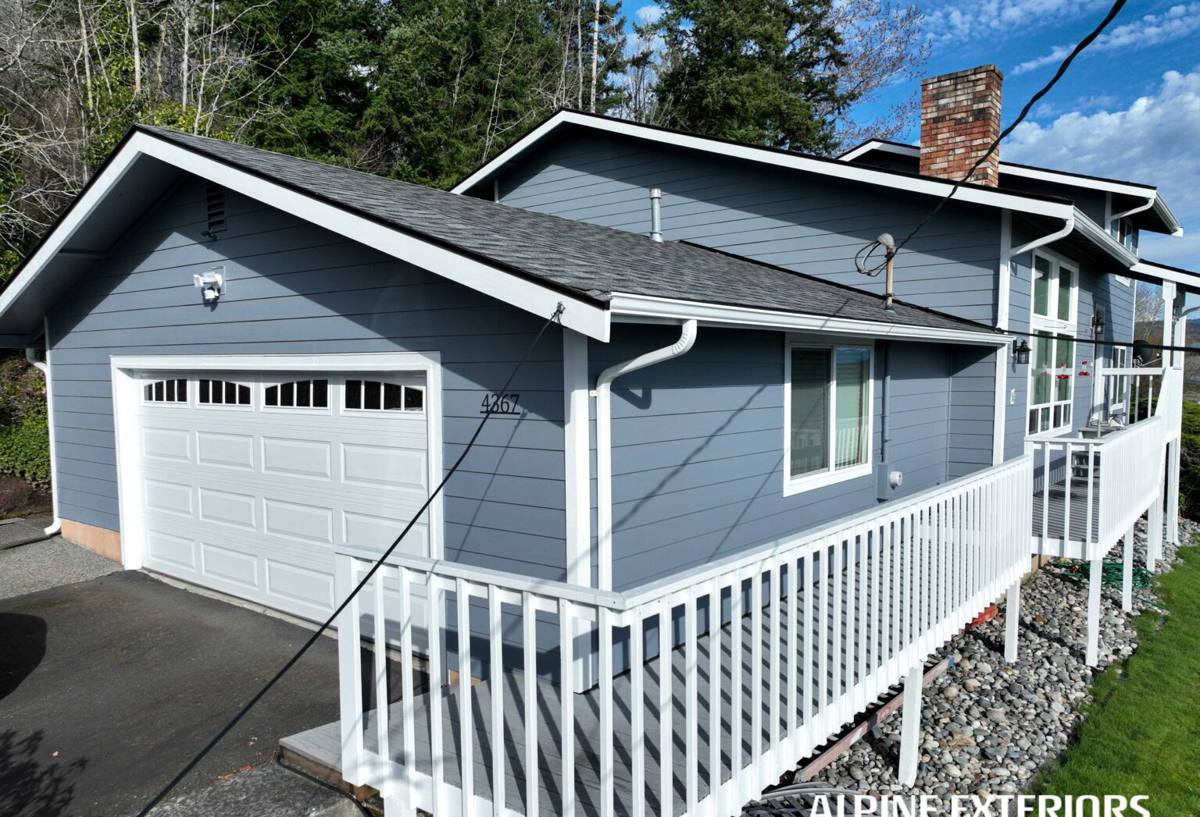
What Salt Air, UV, and Wind Actually Do
Salt Air and Corrosion
Airborne salt doesn't just settle during storms — on a barrier island, it's present in the air on ordinary days too. It accelerates corrosion in any exposed metal on a roof: fasteners, flashing, vent stacks, and drip edge. A fastener that starts corroding loses holding strength well before it looks visibly bad, which matters a great deal when that fastener's job is keeping shingles or panels attached in high wind. Standard-grade hardware simply doesn't hold up the same way here as it does inland.
UV Load, Nearly Year-Round
Florida gets more direct sun than most of the country, and a roof takes the full brunt of it with no shade for most of the day, most of the year. UV breaks down asphalt shingle oils and granule adhesion over time, fades and chalks lower-quality finishes, and stresses sealants at flashing and penetrations. A roof rated for a milder climate will show UV wear here on a shorter timeline than its published lifespan suggests.
Hurricane-Force Wind and Wind-Driven Rain
Wind isn't a rare event to plan around loosely on Indian Rocks Beach — it's a real design condition every roofing decision has to account for. Wind uplift is what pulls shingles and panels off an improperly fastened roof, and wind-driven rain gets forced sideways and even upward under edges and laps in ways ordinary rainfall doesn't. That's why fastening pattern, underlayment choice, and edge detail matter more here than the visible shingle or panel color ever will.
The Island's Older Housing Stock Adds Its Own Challenges
Many homes on Indian Rocks Beach were built decades ago, and a new roof installation on one of these houses is rarely a simple like-for-like swap. Original roof decking is sometimes skip sheathing rather than solid plywood, additions and porch roofs often tie into the main roof at odd slopes or transitions, and older homes may have low-slope sections — over porches, additions, or Florida rooms — that need a different roofing approach entirely from the steep-slope shingle or metal field around them. A correct installation accounts for all of this before the first shingle or panel goes on, not after a problem shows up.
Elevated and stilt-style construction is also common close to the water, which changes how flashing, edge details, and even material staging need to be handled compared to a standard slab-on-grade home. None of this is unusual for the area — it's just something a crew needs to actually plan for rather than treat as a surprise mid-job.
What a Correct New Roof Installation Involves
Tear-Off and Deck Inspection
The old roofing comes off down to the deck, and the deck gets inspected before anything new goes on. Soft spots, rot, or delamination — more common on older island homes with a longer service history of humidity and past leaks — get replaced with matching sheathing rather than covered over. A new roof is only as good as the deck underneath it.
Underlayment and Secondary Water Barrier
On a coastal home, we treat the underlayment as a real second line of defense, not a formality between the deck and the finished roof. A sealed, self-adhering secondary water barrier at the deck level keeps a home dry even if wind-driven rain ever gets past the primary roofing surface, which is a realistic scenario during a tropical system.
Fastening Pattern and Wind Rating
Nailing or fastening pattern is chosen for the wind exposure of the specific home, not just whatever the material's minimum spec allows. This is one of the areas where corners get cut without it being visible from the ground, and it's exactly the detail that determines whether a roof survives its first real windstorm.
Flashing at Every Penetration
Chimneys, skylights, plumbing vents, and the transitions where a porch or addition roof meets the main roof are where new roofs actually fail first — far more often than the open field of shingles or panels. Correct flashing, properly lapped and sealed, at every one of these points is not optional detail work; it's the difference between a roof that lasts and one that leaks within a few seasons.
Ventilation
A correctly balanced intake and exhaust ventilation system keeps attic temperatures and moisture in check, which protects the deck from below and helps the roofing material itself last as long as it's rated to. Ventilation components exposed to wind need to be rated and installed the same way the rest of the roof is.
Choosing a Roofing Material for a Barrier Island Home
There's no single right material for every home on Indian Rocks Beach — the right choice depends on the home's roof slope, its exposure to open water, budget, and how long you want to go before the next full replacement. Here's how the common options actually compare under this island's conditions:
| Material | Salt Air & UV Resistance | Wind Performance | Typical Lifespan Here |
|---|---|---|---|
| Architectural asphalt shingle | Good with coastal-rated products and proper sealing | Strong when correctly fastened and rated for the wind zone | Shorter than inland installs; UV and salt shorten it somewhat |
| Standing seam metal | Excellent with coated or coastal-grade panels and fasteners | Very strong; among the best wind performers when installed correctly | Long-term, with proper fastener maintenance |
| Concrete or clay tile | Good; the tile itself resists salt and UV well | Strong when every tile is properly attached for wind uplift | Long-term, but underlayment typically needs replacement partway through the tile's life |
| Low-slope modified bitumen / TPO (porches, additions) | Good with coastal-rated membranes and sealed seams | Depends heavily on correct seam and edge detailing | Moderate; seams and flashing are the parts to watch |
Whatever material fits your home, fastener and flashing hardware should be stainless steel or otherwise coastal-rated. Standard-grade hardware corrodes faster here than the roofing material around it, and a roof is only as strong as its weakest fastener.
Permitting, Wind Mitigation, and Insurance
A new roof on Indian Rocks Beach requires a building permit, and coastal Pinellas County properties fall under Florida Building Code provisions written specifically for high-wind, wind-borne-debris exposure — meaning the products and installation methods used have to carry the right product approvals for this location, not just generic manufacturer specs. We handle that permitting and documentation as part of the job.
A new roof is also one of the best times to update your wind mitigation inspection, which can lower your homeowner's insurance premium by documenting the roof's shape, deck attachment, roof-to-wall connections, and opening protection. On a barrier island, where insurance costs are already a real factor in owning the home, that documentation is worth doing right the first time rather than as an afterthought.
Working on a Barrier Island: Access and Staging
Indian Rocks Beach is a narrow strip of land with limited road access, tight lots, and, in many areas, no real alley or side-yard staging space. Getting a dumpster, material delivery, and crew parking arranged without blocking a narrow residential street or a neighbor's driveway takes actual local knowledge — it's not something a crew figures out for the first time on your job. Barrier island weather also turns on short notice; a crew used to working here plans tear-off and dry-in around that reality instead of leaving a deck exposed longer than it should be.
How Our Process Works
We start with an on-site inspection of the existing roof, deck, and any trouble spots — old leaks, soft decking, prior repairs, low-slope tie-ins — plus the home's actual wind exposure given its position on the island. From there we go over material options that fit your budget and how long you want the roof to last, along with an honest cost range before any contract is signed. Once permitting is handled, the installation follows the sequence above: tear-off and deck inspection, secondary water barrier, correctly fastened field material, flashing at every penetration, and balanced ventilation. We finish with a walkthrough and the documentation you'll want on hand for insurance and wind mitigation purposes.
What to Look For Before You Hire
Whoever installs your roof, these are the things worth confirming before work starts:
- Current Florida roofing license and general liability and workers' compensation insurance
- Familiarity with Pinellas County coastal permitting, not just general residential permitting
- A written scope that specifies underlayment type, secondary water barrier, and fastening pattern — not just "shingle" or "metal roof"
- Stainless or coastal-rated fasteners and flashing hardware specified in writing
- A plan for low-slope sections, additions, or unusual roof geometry if your home has them
- Willingness to walk you through wind mitigation documentation after the job is done
- A realistic timeline that accounts for barrier island access and weather, not a generic estimate
Why It Matters to Hire a Crew That Already Works Indian Rocks Beach
A roofing crew that regularly works this island already knows its housing stock, its permitting process, its access constraints, and what this specific stretch of Gulf coast does to a roof over time. That familiarity shows up in fewer surprises during the job and in a roof that's actually built for the exposure it's going to face, not just installed to a generic spec sheet. It also means faster response if you ever need service after a storm, from a crew that already knows your street and your home.
If you're weighing a new roof for your Indian Rocks Beach home, we're glad to walk the property with you and give you a straight, no-pressure estimate — use the form below to get started.