 Clearwater Roofing
 Why Decks on Island Estates Take a Different Kind of Beating
Island Estates sits out on the water, and that changes what a deck goes through compared to a home a few miles inland. The same salt-laden air that makes waterfront living appealing is also constantly working against wood fibers, metal fasteners, and finish coatings. Add in Pinellas County's intense year-round UV, wind-driven rain during the summer storm season, and the occasional hurricane-force wind event, and a deck out here ages faster than the manufacturer's warranty paperwork assumes it will.
None of these stresses are unique to Clearwater. What's different on a waterfront island community is how concentrated they are. Salt spray reaches surfaces here that would rarely see it a few miles from the coast, and that accelerates corrosion on fasteners, joist hangers, and railing hardware well before the decking itself looks worn out. We've built our repair approach around that reality rather than treating every deck job the same way we would inland.
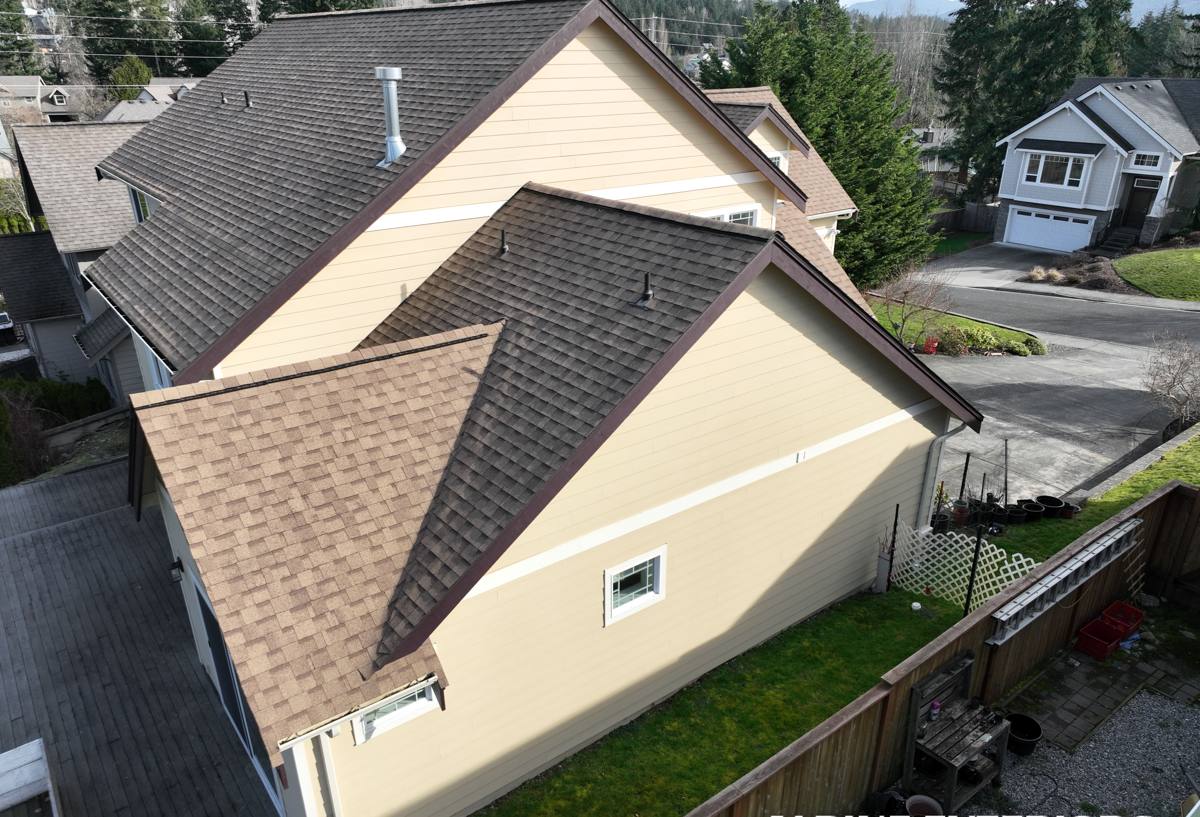
Common Deck Problems We Find on Island Estates Homes
Most of the repair calls we run in this neighborhood fall into a handful of recurring patterns:
- Corroded fasteners and connectors — galvanized coatings on screws, nails, and joist hangers break down faster in salt air, leading to rust staining, backed-out screws, and weakened connections you can't see from the surface.
- Ledger board rot where the deck attaches to the house — moisture gets trapped against the wall framing, especially if the original flashing was undersized or missing.
- Post base and footing problems — posts set in soil that stays damp near canals and low-lying yards, or footings that were undersized for current wind-load requirements.
- Soft, cupped, or delaminating boards — common on both older wood decks and early-generation composite decking that wasn't rated for constant humidity exposure.
- Loose railings — lateral wind load works railing posts loose over years of storm cycles, even when the decking itself is still solid.
Decks tied into a dock, seawall, or lower waterfront platform have an added wrinkle: moisture wicks up through structural members that stay in near-constant contact with humid air or splash, so damage often starts lower in the structure than a homeowner would think to check.
Signs You're Overdue for a Repair Call
A few warning signs tend to show up before a deck becomes a real safety concern: noticeable bounce or flex when walking across it, rust streaks below fastener heads, gaps opening up at the ledger board, railing posts that wiggle under hand pressure, and boards that feel soft or spongy underfoot. Any one of these is worth a look before it becomes a bigger repair.
What a Correct Deck Repair Actually Involves
Structural Inspection Comes First
Before we touch a single board, we check the parts of the deck that actually hold it up — the ledger connection, the posts and footings, the joists, and the hardware tying it all together. Surface-level repairs on a deck with an underlying structural problem just mean paying for the same repair twice.
Fastener and Connector Upgrades
On any repair in this area, we treat fastener quality as part of the job, not an afterthought. If a deck's hardware is showing corrosion, we replace it with fasteners and connectors rated for coastal exposure rather than putting new decking on top of hardware that's already failing.
Matching or Upgrading the Decking Surface
Where boards need replacing, we work with the homeowner on whether to match the existing material or upgrade to something that will hold up better going forward. That decision depends on the age and condition of the rest of the deck, budget, and how much of the surface actually needs replacing.
Repair vs. Replacement: How We Make the Call
Not every deck problem means starting over, and not every deck is worth patching. Here's the general logic we use, though every job gets an on-site look before we commit to a direction:
| Factor | Repair Usually Makes Sense | Replacement Usually Makes Sense |
|---|---|---|
| Ledger board & framing | Solid, dry, no active rot | Soft wood, rot at multiple points, undersized for code |
| Posts & footings | Stable, properly sized, no movement | Undersized, shifting, or set below current standards |
| Fastener condition | Isolated corrosion in a few spots | Widespread rust and failing connections throughout |
| Decking surface | Localized soft or damaged boards | Cupping, splitting, or delamination across most of the deck |
| Rough cost range* | Roughly $300–$1,500 for targeted repairs | Typically $8,000+ for full rebuilds, size dependent |
*These are broad, general ranges meant to help with planning, not a quote. Every deck is different, and we won't know the real number until we've actually looked at the structure.
Materials That Hold Up in This Environment
For waterfront repairs, we lean toward materials and hardware that are built for salt air and constant humidity, not just general outdoor use:
- Pressure-treated wood is the most affordable option and works fine when it's properly sealed and resealed on a regular schedule — the maintenance burden is real in a salt-air environment, so we're upfront about that trade-off before recommending it.
- Composite decking resists moisture better than wood, but quality varies by core construction — some older or lower-grade composites absorb water at the core over time, which is exactly the kind of failure we get called out to repair.
- PVC decking is fully synthetic and handles constant moisture exposure the best of the three, at a higher upfront cost. For decks close to the water or with a history of moisture problems, it's often the option that costs less over the life of the deck.
- Fasteners and connectors — regardless of decking material, we standardize on stainless steel or coastal-rated coated hardware for waterfront repair work, since this is usually the first thing to fail out here.
We're not telling homeowners one material is "bad" — each has a legitimate place. Our job is being honest about which one fits a given budget and how much ongoing maintenance the homeowner actually wants to take on.
Our Deck Repair Process, Start to Finish
- On-site inspection of the full structure, not just the visible damage
- Written scope of work and estimate before anything is touched
- Permit pulled if the repair involves structural framing (see below)
- Removal of damaged sections only — we don't tear out sound material
- Structural repairs to framing, posts, or footings as needed
- Refastening with coastal-rated hardware throughout the repaired area
- Decking and railing surface repair or replacement
- Final walkthrough with the homeowner before we call the job done
Permits and Waterfront Rules to Know About
Structural deck repair in Clearwater and unincorporated Pinellas County generally requires a permit — cosmetic board swaps usually don't, but anything touching framing, footings, or ledger connections typically does. On a waterfront island community, there can be added considerations around flood zone requirements and setback from seawalls or canal edges, depending on the specific property. We handle the permitting conversation as part of the estimate so there are no surprises mid-project, and we're familiar with the kind of waterfront-adjacent requirements that come up on island properties like these.
Maintenance Checklist to Extend Your Deck's Life Between Repairs
A little regular upkeep goes a long way toward avoiding bigger repairs later, especially given the salt air and sun exposure out here:
- Rinse salt residue off decking and railings periodically, not just after storms
- Inspect visible fasteners once or twice a year for rust staining or backing out
- Reseal wood decking on a regular schedule rather than waiting for visible graying
- Check for soft spots or flex, especially near the ledger and stair connections
- Keep gaps between boards clear of debris so water can actually drain
- Test railing posts by hand for looseness after major wind events
- Watch for gaps or separation where the deck meets the house
Why a Crew That Already Works Island Estates Matters
Working on a waterfront island community comes with logistics that don't apply to a typical inland job — limited access points, tighter street parking, and material staging that has to be planned around those constraints. A crew that's already worked in the neighborhood isn't guessing at any of that on day one.
More importantly, we've seen firsthand how salt air, wind exposure, and waterfront moisture actually play out on decks in this specific setting, not just in general coastal-construction guidance. That shapes everything from which fasteners we default to, to how closely we check ledger and post connections that would be lower-risk a few miles inland. It also means we're used to working within whatever design expectations a given waterfront property or community may have, rather than treating every job like a blank slate.
If your deck out on Island Estates is showing rust stains, soft spots, loose railings, or just isn't holding up the way it used to, we're happy to come take a look. The estimate is free, there's no pressure to commit on the spot, and you'll get a straight answer about whether you're looking at a repair or something bigger — just fill out the form below to get started.