 Clearwater Roofing
 Why Island Estates Roofs Wear Out Faster Than Inland Homes
Island Estates sits surrounded by water, connected to the rest of Clearwater by causeway, which means every roof on the island takes a harder hit from the elements than a similar roof five miles inland. Salt-laden air moves across the property day and night, settling into fasteners, flashing seams, and exposed metal. Add in wind-driven rain that comes off the open water at angles a standard roof detail was never built to handle, plus close to year-round UV exposure that breaks down shingle granules and sealants faster than in shadier, tree-covered neighborhoods, and you have a roof that ages on a compressed timeline. A shingle roof rated for 20-25 years inland may realistically deliver a shorter service life on an exposed waterfront lot unless it was installed with that exposure in mind from the start.
This isn't a reason to panic about your roof — it's a reason to be precise about materials, fastening, and flashing detail when replacement time comes. A roof built correctly for this environment can perform well through Pinellas County's hurricane seasons and salt exposure alike. One built with inland assumptions tends to show problems early: rusting fasteners, lifted shingle tabs, and soft decking around penetrations.
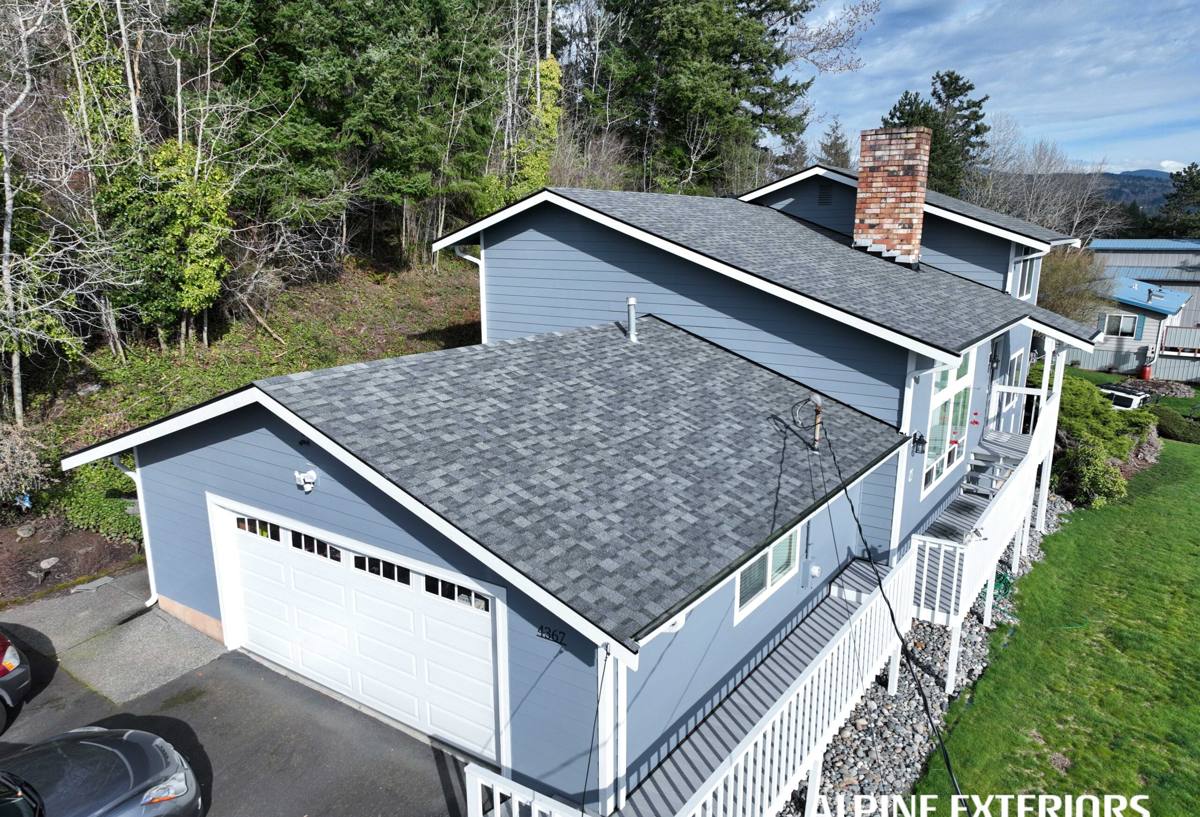
Warning Signs a Repair Won't Fix
Most homeowners call us for a repair quote and end up learning the roof is past the point where patching makes financial sense. On Island Estates, we look for a specific set of red flags tied to the local climate:
- Granule loss heavy enough that you're finding grit in gutters or downspout splash areas after every rain
- Curling, cupping, or cracking shingles, especially on south- and west-facing slopes that take the most UV
- Rust streaking below metal flashing, vents, or valleys — a sign salt air is breaking down the metal itself
- Soft spots or visible sagging in the roof deck, usually found around chimneys, skylights, or old vent boots
- Recurring leaks in the same spot despite prior repairs, meaning the underlying deck or underlayment has failed
- A roof older than 15-18 years that hasn't been fully inspected since a major storm
If you're seeing two or more of these, a full replacement is almost always more cost-effective than continuing to chase repairs on a roof that's structurally at the end of its service life.
What a Correct Roof Replacement Involves
Tear-Off and Deck Inspection
We don't install new roofing over old material or over a deck we haven't inspected. A full tear-off lets us see the plywood or OSB decking underneath, which is where hidden damage from years of small leaks tends to hide. Any soft, delaminated, or water-stained decking gets replaced before anything new goes down — skipping this step is the single most common shortcut that leads to early roof failure on waterfront homes.
Underlayment and Flashing
Given the wind-driven rain this location sees, we treat underlayment and flashing as the real waterproofing layer, not the shingles or metal panels on top. That means self-adhered underlayment at eaves, valleys, and penetrations, correctly lapped flashing at every wall and roof-to-wall transition, and stainless or coated fasteners and flashing metal chosen specifically to resist salt corrosion rather than standard galvanized components that can start rusting within a few seasons this close to the water.
Fastening for Wind Resistance
Florida Building Code sets minimum fastening and wind-uplift standards for our coastal wind-borne debris region, and we build to those requirements as a floor, not a ceiling. That includes correct nail count and placement per shingle, proper starter strip installation at eaves and rakes, and ring-shank or coil nails suited to sustained coastal wind exposure. A roof that's cut corners on fastening is often the one that loses shingles in a summer storm well before anything close to hurricane strength arrives.
Choosing the Right Roofing Material for a Waterfront Property
There's no single "best" roofing material for every home — the right choice depends on your roof's slope, your home's style, your budget, and how much long-term maintenance you're willing to take on. Here's how the common options stack up specifically for salt-air, high-UV, wind-exposed conditions like Island Estates:
| Material | Coastal Durability | Maintenance | Typical Lifespan Here |
|---|---|---|---|
| Architectural asphalt shingle | Good, with corrosion-resistant fasteners and proper ventilation | Low to moderate — periodic inspection after storms | 15-22 years |
| Standing seam metal | Very good — few seams, handles wind uplift well | Low — occasional fastener and sealant check | 30-45 years |
| Concrete or clay tile | Very good for the tile itself; underlayment is the weak point | Moderate — underlayment typically needs replacement before the tile does | 20-30 years (underlayment), 40+ years (tile) |
| 3-tab asphalt shingle | Fair — lighter weight and lower wind rating than architectural shingles | Moderate — more prone to early wind and UV wear | 10-15 years |
For most Island Estates homes, we steer clients away from basic 3-tab shingles simply because the wind and UV exposure here shortens their already-modest lifespan. Between architectural shingles, metal, and tile, the right call usually comes down to your roof's pitch, your home's architectural style, and how long you plan to own the property — we'll walk through the honest trade-offs for your specific roof rather than pushing one product across the board.
Our Roof Replacement Process, Start to Finish
- On-site inspection and estimate — we walk the roof, check the attic where accessible, and document existing conditions before quoting anything.
- Material selection — we go over the options above in terms of your budget, home style, and how long you plan to stay in the home.
- Permitting — we pull the required Pinellas County or City of Clearwater permit before work begins; roof replacements are not permit-optional work here.
- Protection and staging — landscaping, pool areas, and driveways get protected before tear-off starts, which matters more on a tight waterfront lot than on a standard suburban parcel.
- Tear-off and deck repair — old roofing comes off down to the deck, and any compromised decking is replaced.
- Underlayment, flashing, and installation — built to the standards described above, not the minimum needed to pass a quick visual check.
- Final inspection and cleanup — magnetic sweep for nails, full site cleanup, and a walkthrough with you before we consider the job done.
Permits, Codes, and Insurance Considerations
A roof replacement in Pinellas County requires a permit and a final inspection — this isn't optional paperwork, it's what protects you if you ever file an insurance claim or sell the home. An uninspected or unpermitted roof can complicate a homeowners insurance claim later, even years after installation, and can become a negotiating problem during a home sale. We handle the permit process as a standard part of every replacement.
It's also worth asking your insurance agent about wind mitigation credits after a full roof replacement. A new roof installed to current Florida Building Code wind and fastening standards can sometimes qualify for a lower windstorm premium, since the underwriting is based on documented roof age, deck attachment, and roof shape. We can provide the documentation an inspector needs for that report, though the mitigation inspection and credit itself go through your insurance carrier.
Why a Crew That Already Works Island Estates Matters
Island Estates isn't a typical suburban roofing job, and a crew without local experience can run into avoidable problems here. A few examples:
- The causeway is the only way on and off the island, which affects material delivery timing and dumpster or debris-trailer staging — planning around that keeps a job on schedule instead of losing a day to logistics.
- Many properties are waterfront or canal-front with narrow side yards, seawalls, docks, or pools close to the house, which changes how we stage material, set up fall protection, and protect the property during tear-off.
- Salt air corrosion isn't uniform across Clearwater — homes directly on the water need different fastener and flashing specs than homes even a few blocks inland, and a crew that hasn't worked this specific exposure level can under-spec those details without realizing it.
- Some Island Estates properties fall under HOA or deed restriction guidelines on exterior appearance, which is worth checking before finalizing material color or style.
None of this is exotic, but it's the kind of local detail that separates a roof that holds up here from one that needs early attention because it was built like an inland job.
Cost Factors to Expect
We don't publish flat prices because roof replacement cost depends on real, specific factors — but here's what actually drives the number on an Island Estates estimate:
| Factor | Why It Matters |
|---|---|
| Roof size and pitch | More square footage and steeper pitches mean more material and labor time |
| Material choice | Architectural shingle, metal, and tile carry different material and installation costs |
| Deck condition | Rotted or delaminated decking found during tear-off adds material and labor not visible from the ground |
| Number of penetrations | Chimneys, skylights, and vents each need individual flashing work |
| Access and staging | Waterfront lots with limited side-yard access can require extra staging time |
| Fastener and flashing spec | Corrosion-resistant hardware for salt exposure costs more than standard galvanized components, and it's not optional here |
The only way to get an honest number is a physical inspection of your specific roof — we're glad to walk it with you and explain exactly what we're pricing and why.
Caring for Your New Roof in a Salt-Air Climate
A correctly installed roof still benefits from a little upkeep in this environment. Rinse off accumulated salt spray and debris periodically, especially after storms, keep gutters clear so water isn't sitting against the roof edge, and have the roof looked at after any named storm that brings sustained high winds through Pinellas County — not because damage is likely, but because catching a lifted shingle or a stressed seal early is far cheaper than dealing with a leak six months later. Trim back any overhanging vegetation so debris and shade-driven moisture aren't sitting on the roof surface.
If your roof is showing its age or you just want an honest read on where it stands, we're happy to come take a look. The estimate is free, there's no pressure attached to it, and you'll get a straight answer about whether you need a repair, a replacement, or a few more years — just fill out the form below to get started.