 Clearwater Roofing
 Why Safety Harbor Siding Takes More Punishment Than People Expect
Safety Harbor sits close to the water along Old Tampa Bay, and that location cuts both ways. The bay views are part of what makes the area desirable, but that same waterfront exposure means homes here deal with a harsher mix of conditions than siding manufacturers design for in most of the country. Salt-laden air drifts in off the bay and settles on exterior surfaces year-round, accelerating corrosion on fasteners and finishes that aren't built to resist it. Add in the intense, near-constant Florida UV load, wind-driven rain during summer storms, and the real risk of hurricane-force winds during the season, and you have a climate that will find every weakness in a siding product or an installation shortcut within a few years, not a few decades.
Homes in Safety Harbor and the greater Clearwater and Pinellas County area also deal with high ambient humidity for most of the year. That matters more than most homeowners realize, because moisture that gets behind siding — through a poor seal, a missing flashing detail, or a product that simply doesn't handle water well — doesn't dry out quickly here. It sits, and it causes rot, mold, and structural damage long before the siding itself looks like it's failing from the outside.
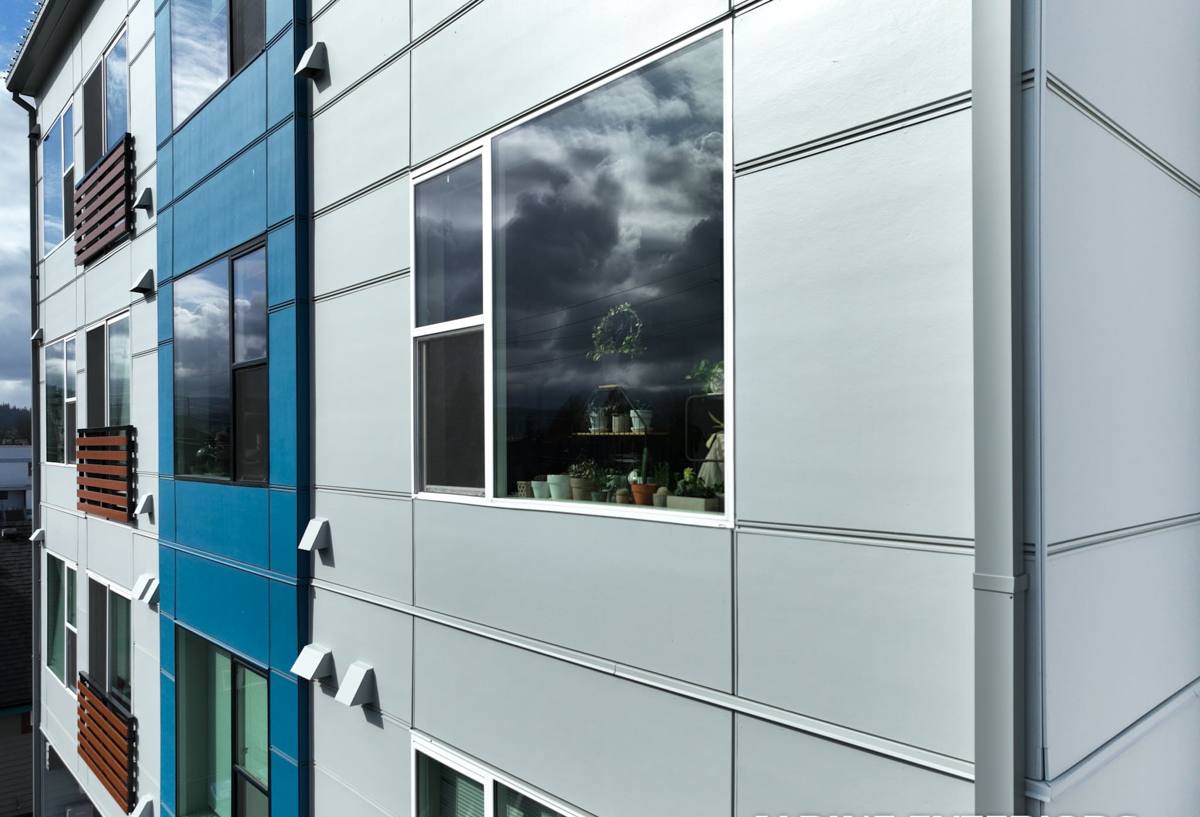
What This Climate Actually Demands From a Siding Product
Given all of that, a siding product for a Safety Harbor home needs to check several boxes at once, not just one:
- Resistance to moisture intrusion and swelling, since wind-driven rain will find any gap
- A finish that holds its color under sustained, intense UV exposure without chalking or fading within a few years
- Enough structural integrity to handle wind-borne debris and high wind pressure during storm events
- Material stability in salt air, without accelerated corrosion of fasteners or trim
- Non-combustible construction, which matters both for direct fire risk and for insurance considerations
This is exactly why we install James Hardie fiber cement siding exclusively, and why we don't install vinyl, LP SmartSide, or other engineered wood or lower-grade fiber cement products on homes in this area. Vinyl softens and can warp under sustained Florida heat, and it has limited ability to stand up to wind-borne debris in a storm. Engineered wood products rely on treated wood fiber that, however well-engineered, remains more vulnerable to moisture intrusion at cut edges and seams than a cement-based product. James Hardie's fiber cement formulation is built around Portland cement, sand, and cellulose fiber — it doesn't rot, it doesn't support combustion, and it holds up to repeated wet-dry cycling far better than wood-based alternatives.
The HZ5 Engineering Detail That Matters Here
James Hardie engineers its siding differently depending on regional climate zones, and Pinellas County falls into the HZ5 category — the company's highest moisture- and humidity-resistant formulation. That's not a marketing label; it reflects a different manufacturing specification meant for exactly the kind of high-humidity, high-moisture-load environment that Safety Harbor sits in. Installing HZ5-rated Hardie product, rather than a version engineered for drier climates, is one of the first things we confirm before a job even starts.
What Correct Installation Actually Involves
Fiber cement siding is only as good as the installation behind it. James Hardie's own warranty is conditioned on installation following the company's published specifications, and in a coastal climate like this one, the details that get skipped on a rushed job are exactly the details that cause problems within a few years.
| Installation Detail | Why It Matters in Safety Harbor |
|---|---|
| Correct fastener type and spacing | Corrosion-resistant fasteners driven at proper depth prevent salt-air corrosion and panel movement in high winds |
| Manufacturer-specified clearances (ground, roofline, deck) | Keeps splash-back moisture and standing water away from panel edges, where rot risk is highest |
| Proper house wrap and flashing integration | Stops wind-driven rain from getting behind the siding during summer storms and tropical systems |
| Correct joint and butt-seam treatment | Prevents water intrusion at panel seams, a common failure point on rushed installs |
| Factory-cut edges sealed where field-cut | Unsealed cut edges absorb moisture faster and can void warranty coverage |
| Proper caulking at penetrations and trim | Reduces intrusion points around windows, vents, and fixtures exposed to wind-driven rain |
None of these are exotic requirements — they're in James Hardie's published installation guidelines. But we see them skipped regularly on re-sides done by crews that treat fiber cement like it installs the same way as vinyl or engineered wood. It doesn't. Panel weight, cutting method, fastening pattern, and clearance requirements are all different, and a crew that doesn't work with Hardie product regularly will make mistakes that don't show up until the first hard summer of wind and rain.
Our Process for Safety Harbor Homes
Assessment and Product Selection
We start with a walk of the home's exterior to check existing wall conditions, look for signs of past moisture intrusion, and confirm the HZ5 product line and profile that fits the home's style and the homeowner's preferences. Homes closer to the water sometimes warrant extra attention to fastener spec and trim detailing given the added salt exposure.
Removal and Substrate Check
Old siding comes off down to the sheathing so we can check for hidden rot or moisture damage before anything new goes up. Covering up an existing moisture problem with new siding just delays a much bigger repair later — we address what we find rather than sealing over it.
House Wrap and Flashing
This is the step that determines whether wind-driven rain stays out for the life of the siding. We install weather-resistant barrier and flashing at every window, door, and penetration according to manufacturer specification, not shortcuts.
Installation
Panels, planks, or shingles go up with the correct fastener type, spacing, and clearances outlined above. Trim and joints are treated to manufacturer spec, and everything is inspected before the ColorPlus finish is left exposed to the elements.
Final Walkthrough
We walk the completed job with the homeowner, checking seams, trim, and clearances, and answer questions about maintenance expectations going forward.
James Hardie Product Lines: Which Fits Safety Harbor Homes
James Hardie makes several distinct product lines, and the right choice depends on the home's architecture and the homeowner's style preference — not just budget.
| Product Line | Look | Best Fit |
|---|---|---|
| HardiePlank Lap Siding | Traditional horizontal lap board | Most common choice; wide range of textures and widths |
| HardieShingle | Staggered or straight-edge shingle profile | Coastal cottage or craftsman-style homes |
| HardiePanel | Vertical panel, often with battens | Modern or Florida vernacular architecture, accent walls |
| HardieTrim | Trim boards for corners, fascia, window/door surrounds | Paired with any of the above for a finished look |
All of these come with James Hardie's factory-applied ColorPlus finish as an option, which is baked on and cured under controlled conditions rather than sprayed or brushed on-site. In a climate with this much UV exposure, that difference in finish durability is significant — factory finishes are engineered to resist fading and chalking far longer than field-applied paint, and they come with their own warranty coverage separate from the substrate warranty.
What Drives Cost on a Safety Harbor Re-Side
| Factor | Why It Affects Price |
|---|---|
| Home size and wall complexity | More corners, gables, and dormers mean more cutting, trim work, and labor hours |
| Product line and profile chosen | HardieShingle and custom trim details cost more in materials and install time than standard lap siding |
| Substrate condition | Rot or moisture damage found during tear-off requires repair before new siding goes up |
| Existing siding removal | Full tear-off versus siding over an already-sound substrate changes labor scope |
| Finish choice | Factory ColorPlus finish versus field-painted primed product affects both cost and long-term maintenance |
We give homeowners a real, itemized number after the assessment rather than a rough guess over the phone, since the substrate condition alone can change the scope significantly once old siding comes off.
Maintenance Homeowners Should Actually Expect
One reason we recommend James Hardie over other materials is how little ongoing maintenance it needs when installed correctly — but "little" isn't "none." Homeowners should plan to:
- Rinse the exterior periodically to clear salt residue and airborne debris, especially on homes closer to the water
- Inspect caulking at trim and penetrations annually, since caulk is the one component that wears faster than the siding itself
- Watch for any staining or discoloration near the ground line, which can indicate irrigation overspray or drainage issues rather than a siding defect
- Repaint only if the home uses field-applied (not factory ColorPlus) finish, on a normal repaint cycle
Why Local Installation Experience Matters
Pinellas County and the City of Safety Harbor have their own permitting requirements and wind-load codes tied to Florida's building code for coastal counties, and a crew that already works in this specific area knows what inspectors here expect without a learning curve on the homeowner's project. That local familiarity also extends to practical judgment calls — recognizing when a home's proximity to the bay calls for extra attention to fastener corrosion resistance, or catching early signs of moisture damage that's common in this specific climate versus drier inland regions.
Before hiring anyone for a job like this, it's worth checking a few things:
- Are they a James Hardie-focused installer, or does fiber cement make up a small share of their work?
- Can they explain HZ5 versus standard Hardie product and confirm which they're quoting?
- Do they carry proper licensing and insurance for exterior work in Pinellas County?
- Will they check and repair substrate issues found during tear-off, rather than covering them up?
- Do they follow manufacturer fastening and clearance specs, and can they explain why those specs exist?
If you're considering a re-side in Safety Harbor, we're happy to take a look at your home and walk through what correct James Hardie installation looks like for your specific situation. There's no pressure and no cost to get an honest assessment and a real estimate — just fill out the form below to get started.