 Clearwater Roofing
 Asphalt Shingle Roofing for Largo Homes
Largo sits inland from the Gulf but close enough to feel everything Pinellas County's weather throws around — long stretches of intense sun, sudden afternoon storms, and the occasional direct hit from a tropical system. Asphalt shingles remain the most common roofing material in this part of Clearwater's service area for good reason: installed correctly, with the right materials and attention to detail, they hold up well against local conditions and cost less to install and repair than most alternatives. The catch is "installed correctly." A shingle roof that looks fine going up can fail years early if the underlayment, fastening, and ventilation weren't handled with this specific climate in mind.
This page covers what asphalt shingle roofing actually needs to hold up on a Largo home, what a proper installation involves, and how we approach the job from first inspection to final walkthrough.
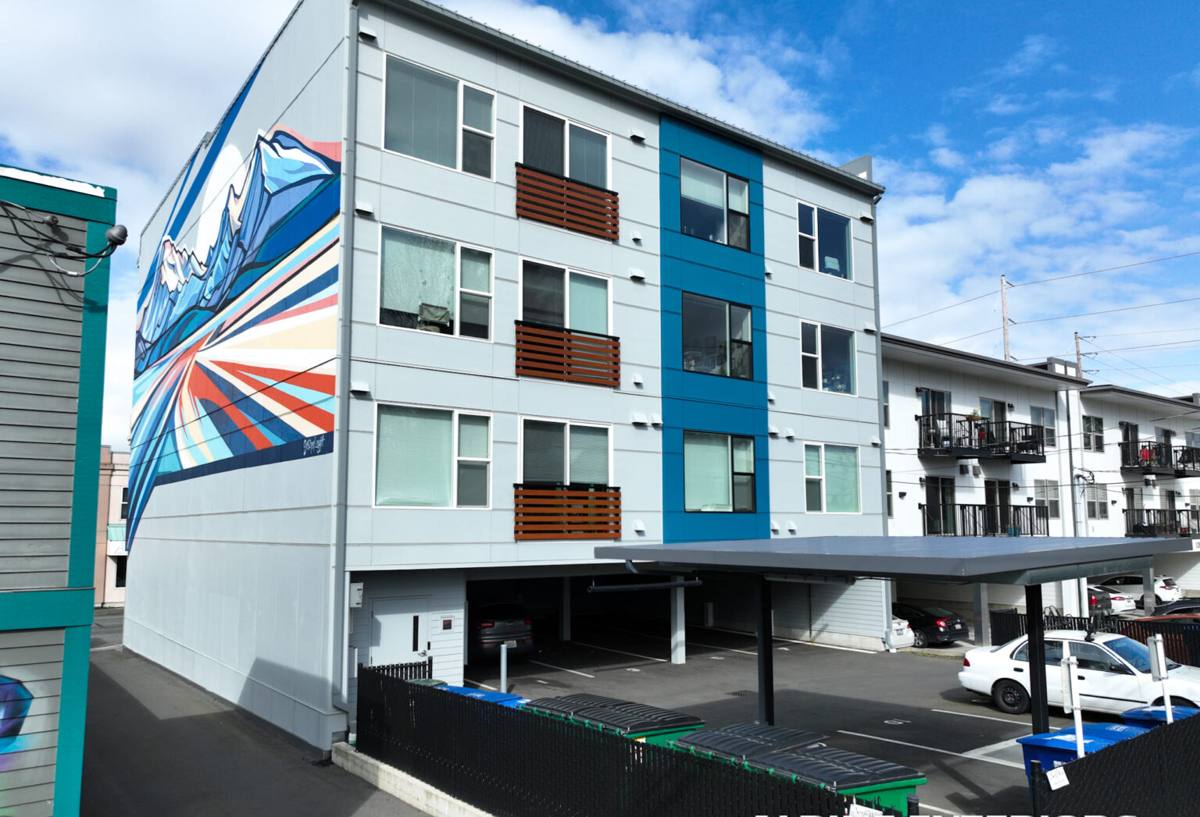
What Largo's Climate Does to a Shingle Roof
Every roofing material in Pinellas County deals with the same basic stresses. Asphalt shingles are affected by all of them, and the way they fail tells you a lot about how they were installed in the first place.
UV and Heat
Florida sun is close to year-round, and roof surfaces run well above ambient air temperature on a clear afternoon. UV exposure breaks down the asphalt binders in shingles over time, and that process accelerates with heat. This is normal aging — every shingle roof loses granules and flexibility eventually — but poor attic ventilation speeds it up by trapping heat against the underside of the deck and shingles simultaneously. A roof with adequate airflow ages more evenly and predictably than one without.
Wind-Driven Rain
Storms here rarely deliver rain straight down. Wind pushes it sideways and up under shingle edges, which is why underlayment, flashing, and starter courses matter as much as the shingles themselves. A roof can shed water fine in a light rain and still leak during a windy squall if those details were rushed.
Hurricane-Force Wind
Pinellas County sits in a wind-borne debris region under Florida's building code, and Largo homes need roofing rated and installed to match. Wind uplift failures on shingle roofs are almost always a fastening problem — wrong nail placement, not enough nails per shingle, or nails driven at the wrong angle — rather than a shingle quality problem. This is one of the most common corners cut by crews that install roofs quickly without following manufacturer wind-rated specifications.
Salt Air
Largo isn't beachfront, but it's close enough to the Gulf and Tampa Bay that airborne salt reaches inland neighborhoods, especially in windier months. Salt accelerates corrosion on exposed metal — flashing, fasteners, drip edge, vent stacks. Using corrosion-resistant metal in these components is a small cost difference during installation and a real difference in how long a roof stays leak-free.
What a Correct Asphalt Shingle Installation Involves
A shingle roof is a system, not a single layer. Every component below has to work together, and skipping or under-speccing any one of them shows up eventually as a leak, a blown-off shingle, or premature aging.
- Deck inspection and repair: Plywood or OSB decking gets checked for soft spots, delamination, and proper fastening before anything new goes down. Roofing over a compromised deck is how small problems become expensive ones.
- Underlayment: A synthetic or self-adhering underlayment rated for wind-driven rain, not just standard felt, gives the roof a real second line of defense if wind ever gets under a shingle edge.
- Starter strip: Installed at eaves and rakes, this seals the shingle edges and is one of the first things a wind event tests. It's easy to skip or shortcut and hard to notice until wind gets under the first course.
- Nailing pattern: Correct nail count and placement, matched to the shingle manufacturer's wind-rating requirements, not just building code minimums.
- Flashing: Step flashing at walls, valley flashing, and counterflashing around chimneys or penetrations — all in corrosion-resistant metal given the salt air exposure.
- Ventilation: Balanced intake and exhaust ventilation to keep attic temperatures and moisture in check, protecting both the shingles and the deck from the inside out.
- Drip edge: Metal edging at eaves and rakes that directs water away from the fascia and helps prevent wind from catching the shingle edge.
Choosing a Shingle for a Largo Roof
Not every asphalt shingle product is built for the same wind exposure, and homeowners often don't realize there's a meaningful difference until it's time to compare options. Here's a general breakdown of how the common categories compare for a home in this climate:
| Shingle Type | Typical Wind Rating | Best For | Trade-Offs |
|---|---|---|---|
| 3-Tab Asphalt | Lower end of rated range | Budget-conscious re-roofs on lower-exposure homes | Shorter lifespan, less wind resistance, thinner profile |
| Architectural (Laminate) Asphalt | Mid to high range | Most Largo homes — balance of cost, durability, appearance | Higher upfront cost than 3-tab |
| Impact-Rated Asphalt | High end, often paired with Class 4 impact rating | Homes wanting hail/debris resistance and possible insurance credit | Highest material cost of the three |
We don't push a single product on every home. The right choice depends on the home's exposure, the homeowner's budget, and whether an insurance wind mitigation credit is worth the cost difference. We'll walk through the honest trade-offs during your estimate rather than defaulting to whatever's easiest to install.
Our Process, Start to Finish
1. Inspection and Estimate
We look at the current roof's condition, deck, ventilation, and flashing details, and talk through what your home actually needs versus what would be nice to have. You get a written estimate with the scope spelled out, not a vague number.
2. Tear-Off and Deck Check
Old material comes off down to the deck. This is the point where hidden damage — soft plywood, old leaks, prior repairs done wrong — becomes visible. We flag anything that needs repair before covering it back up.
3. Underlayment and Flashing
New underlayment goes down first, followed by drip edge, starter strip, and flashing at every wall, valley, and penetration.
4. Shingle Installation
Shingles are installed to the manufacturer's wind-rated nailing pattern, not a generic pattern, so the roof actually performs at the wind rating it's sold at.
5. Ventilation Check
We confirm intake and exhaust ventilation is balanced for the attic space, adding or adjusting components where needed.
6. Cleanup and Final Walkthrough
Job site is cleared of debris and nails (magnetic sweep included), and we walk the finished roof with you before calling it done.
Signs a Largo Roof Needs Attention
Most shingle roof failures give some warning before they turn into an active leak. Worth checking for periodically, especially after a windy storm:
- Shingles that look cupped, curled at the edges, or cracked
- Bald spots where granules have worn away, exposing the black asphalt underneath
- Granules collecting in gutters or at downspout outlets
- Shingles missing entirely or lifted at the edge after a storm
- Soft or spongy spots when walking the roof
- Daylight visible through the attic roof deck
- Water stains on interior ceilings, especially near exterior walls or chimneys
- Rusted or visibly corroded flashing, vent stacks, or fasteners
Any one of these on its own isn't necessarily an emergency, but they're worth a professional look rather than waiting for the next big storm to test it.
Permits, Wind Mitigation, and Insurance in Pinellas County
Roofing work in Largo requires a permit through Pinellas County or the applicable local jurisdiction, and inspections confirm the work meets Florida Building Code wind-borne debris requirements. We handle the permitting process as part of the job rather than leaving it on the homeowner.
A new roof is also a good time to consider a wind mitigation inspection. Florida insurers offer premium credits for roofs with documented wind-resistant features — proper nailing patterns, secondary water barriers, hip roof shapes, and impact-rated materials among them. It won't apply the same way to every home, but it's worth asking about, since the credit can offset part of the cost difference over time.
Why Hiring a Crew That Already Works in Largo Matters
Roofing work is local in a way a lot of home services aren't. A crew that regularly works Largo and the surrounding Clearwater area already knows the permitting process for this jurisdiction, has a feel for how local wind exposure varies by neighborhood, and isn't guessing at code requirements on the fly. That familiarity shows up in fewer surprises during the job — permit delays, inspection issues, or material choices that don't hold up to what this specific climate does to a roof.
It also matters after the job is done. A local crew is reachable for a warranty question or a post-storm check, not a name from out of the area that did one job and moved on.
Maintaining a Shingle Roof After Installation
A correctly installed shingle roof still benefits from basic upkeep. Keep gutters clear so water isn't backing up under the eaves, trim back overhanging branches that drop debris or scrape shingles in wind, and do a visual check after any major storm for lifted or missing shingles. Small issues caught early are inexpensive to fix. The same issues left through a few more storm seasons usually aren't.
If you're weighing a new shingle roof or a repair on a Largo home, we're happy to take a look and give you a straight answer on what it needs — no pressure, no upsell. Use the form below to request a free estimate.