 Clearwater Roofing
 Why Largo Roofs Need to Be Built for This Climate
Largo sits in the middle of Pinellas County, close enough to Clearwater Harbor and the Gulf that salt-laden air, humidity, and storm exposure shape every roofing decision made here. A roof that performs fine in a drier, inland climate can fail early in Largo simply because it was never designed for what this area actually throws at it: sustained UV exposure nearly year-round, sudden intense downpours with wind-driven rain, and the corrosive effect of salt air on fasteners, flashing, and coatings. Add hurricane-force wind events to that list, and it becomes clear why roofing material and installation quality matter more here than in most parts of the country.
Metal roofing, done correctly, is one of the strongest answers to that combination of stressors. But "metal roofing" covers a wide range of products and installation approaches, and not all of them are suited to a Largo home. This page focuses specifically on what a correct, climate-appropriate metal roof looks like for homes in this area, and what should go into planning and installing one.
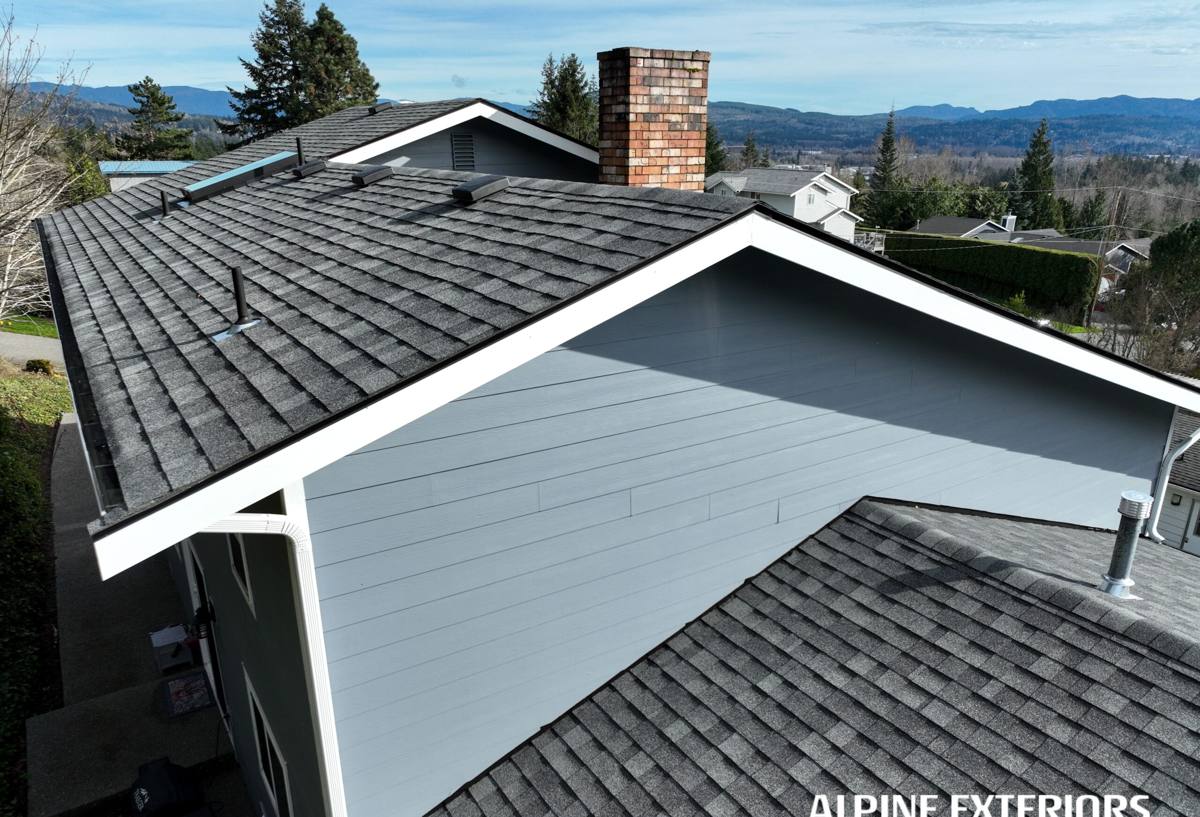
What Largo's Climate Demands From a Metal Roof
Wind Performance and Uplift Resistance
Pinellas County homes need roofing systems rated to withstand high wind uplift, not just wind-driven rain. Metal roofing, particularly standing seam systems with concealed fasteners, generally performs well in wind events because the panels interlock and the fastening points are protected from direct exposure. That said, wind performance is only as good as the installation — panel spacing, fastener pattern, and clip attachment all have to match the manufacturer's tested assembly, not a generic install.
UV and Heat Exposure
Largo sees strong, direct sun for most of the year. Roofing materials here take a steady beating from UV radiation and heat cycling, which is part of why dark asphalt shingles often show granule loss and premature aging faster in Florida than in cooler climates. Metal roofing with a quality reflective coating handles this differently — it reflects a meaningful portion of solar radiant heat rather than absorbing it, which can also ease the load on attic temperatures and cooling systems.
Salt Air and Coastal Corrosion
Even though Largo isn't directly beachfront, it's close enough to the coast that airborne salt is a real factor, especially with onshore breezes. Corrosion resistance is not optional here — it determines how long fasteners, flashing, and panel coatings actually last before they start to fail. This is one of the biggest reasons material selection and detailing matter more in this area than a spec sheet alone suggests.
Panel Types and What Fits a Largo Home
Not every metal roofing product is built the same way, and the differences matter in a coastal-influenced climate. The two most common categories homeowners in this area choose between are standing seam panels and exposed-fastener (screw-down) panels.
| Factor | Standing Seam | Exposed-Fastener Panels |
|---|---|---|
| Fastener exposure | Concealed clips, not exposed to weather | Fasteners penetrate the panel face directly |
| Long-term maintenance | Lower — no exposed screws to re-seat or reseal | Higher — washers age and need periodic inspection |
| Wind uplift performance | Generally stronger when properly clipped and installed | Can perform well but is more installation-sensitive |
| Upfront cost | Higher material and labor cost | Lower upfront cost |
| Best fit | Long-term coastal-climate performance | Budget-conscious projects, secondary structures |
Our standard is to recommend standing seam for primary Largo roofs given the salt air and wind exposure this area sees, but exposed-fastener systems still have a legitimate place on certain projects, particularly outbuildings or where budget is the deciding factor. What we won't do is install an exposed-fastener system on a coastal-exposed roof and represent it as equivalent to standing seam in long-term performance — the maintenance burden is genuinely different, and homeowners deserve that honest trade-off up front.
What a Correct Metal Roof Installation Actually Involves
Deck Inspection and Prep
Metal roofing is only as good as what it's installed over. Before any panels go down, the roof deck needs to be inspected for rot, soft spots, and proper attachment — problems that are easy to miss if a crew is rushing to get panels up. In Largo's humidity, deck moisture issues are more common than homeowners expect, especially on older homes.
Underlayment
A high-temperature-rated synthetic or self-adhered underlayment is essential under metal roofing in this climate. Metal panels can run hot in direct Florida sun, and underlayment that isn't rated for that heat can degrade prematurely, which undermines the whole system even if the panels themselves are fine.
Fastening and Panel Attachment
Fastener spacing, clip type, and panel overlap all need to match the wind-uplift rating the system was tested to achieve. This isn't a place to cut corners — it's the difference between a roof that holds through a wind event and one that doesn't.
Flashing and Penetrations
Chimneys, vents, skylights, and wall transitions are where most roof leaks actually start, metal or otherwise. Flashing has to be formed and sealed correctly for the specific panel profile being used, not generic-fitted, especially given how much wind-driven rain this area can get during storm season.
Ventilation
Proper attic ventilation keeps heat and moisture from building up under the roof deck. This matters year-round in a climate like Largo's, where both heat load and humidity are constants rather than seasonal issues.
Our Process for Largo Metal Roofing Projects
Every project starts with an on-site inspection of the existing roof, deck condition, and any problem areas — not a drive-by estimate. From there we walk the homeowner through panel options, coating choices, and realistic cost factors before any commitment is made. Once a project is scheduled, we handle deck repairs as needed, install underlayment and panels to the manufacturer's tested specifications, detail flashing and penetrations by hand, and do a final walkthrough with the homeowner before considering the job complete. We also pull the appropriate permits and coordinate inspections as required for roofing work in this jurisdiction.
Cost Factors for Metal Roofing in Largo
Metal roofing costs more upfront than asphalt shingles, and the exact number depends on several project-specific factors rather than a flat per-square rate. The table below outlines what typically moves the price, without pretending to quote a number that would be inaccurate outside of an actual inspection.
| Cost Factor | Why It Matters |
|---|---|
| Panel type and gauge | Heavier gauge and standing seam profiles cost more than lighter exposed-fastener panels |
| Coating and finish | Higher-grade reflective and corrosion-resistant coatings add cost but extend service life in coastal air |
| Roof pitch and complexity | Steeper roofs, multiple valleys, and dormers increase labor time |
| Tear-off vs. overlay | Removing an old roof adds cost but is often necessary to properly inspect and prep the deck |
| Ventilation and flashing needs | Older homes may need updated ventilation or flashing details to meet current wind and moisture standards |
Signs Your Largo Home May Need Metal Roof Repair or Replacement
Metal roofs are long-lived, but they aren't maintenance-free, and coastal exposure can accelerate wear on specific components even while the panels themselves look fine. Homeowners in Largo should watch for:
- Rust streaking or discoloration around fasteners, seams, or panel edges
- Loose, lifted, or vibrating panels after wind events
- Sealant or flashing that has cracked, shrunk, or pulled away around penetrations
- Chalking or fading of the panel coating beyond normal weathering
- Water stains on interior ceilings, especially near chimneys, skylights, or wall transitions
- Panels that feel soft or show movement when walked near during an inspection, indicating deck issues underneath
Catching these issues early usually means a repair rather than a replacement, which is why periodic inspection is worth the time, especially after major storms.
Why Local Experience in Largo Matters
Roofing crews that work regularly throughout Pinellas County build a working knowledge of how homes in this specific area age — how salt air affects fasteners over time, how wind exposure varies by neighborhood and roof orientation, and what local permitting and inspection processes require. That local familiarity translates into fewer surprises during a project and a roof that's detailed for the conditions it will actually face, rather than installed to a generic national standard and hoped to hold up.
Maintenance That Protects Your Investment
A correctly installed metal roof in this climate can last for decades, but a small amount of periodic attention goes a long way. We recommend a visual inspection after major storms, keeping gutters and valleys clear of debris, and having fasteners and sealant checked every few years, particularly on exposed-fastener systems. Salt air exposure means coastal-adjacent homes benefit from slightly more frequent checks than inland properties.
If you're weighing metal roofing for your Largo home, we're happy to walk your roof, answer honest questions about materials and cost, and put together a free, no-pressure estimate — just fill out the form below to get started.