 Clearwater Roofing
 Metal Roofing Built for Del Oro's Climate
Del Oro is a quiet, established residential neighborhood in Clearwater, and like the rest of Pinellas County, the homes here take a beating from weather that never really lets up. Hurricane-force wind events are a real possibility every storm season, the sun is intense enough year-round to break down lesser roofing materials well before their rated life is up, and wind-driven rain has a way of finding any weak seam or fastener that wasn't installed correctly the first time. Add in salt air drifting inland off the Gulf, and you've got a combination that's genuinely tougher on a roof than what most of the country deals with.
Metal roofing has become a popular answer to that combination for Del Oro homeowners, and for good reason — but "metal roof" covers a wide range of products and installation approaches, and the difference between a system that holds up for decades and one that fails early usually comes down to details most homeowners never get shown. This page walks through what a metal roof actually needs to do in this specific neighborhood's conditions, what a correct installation looks like, and how we approach the job from first visit to final walkthrough.
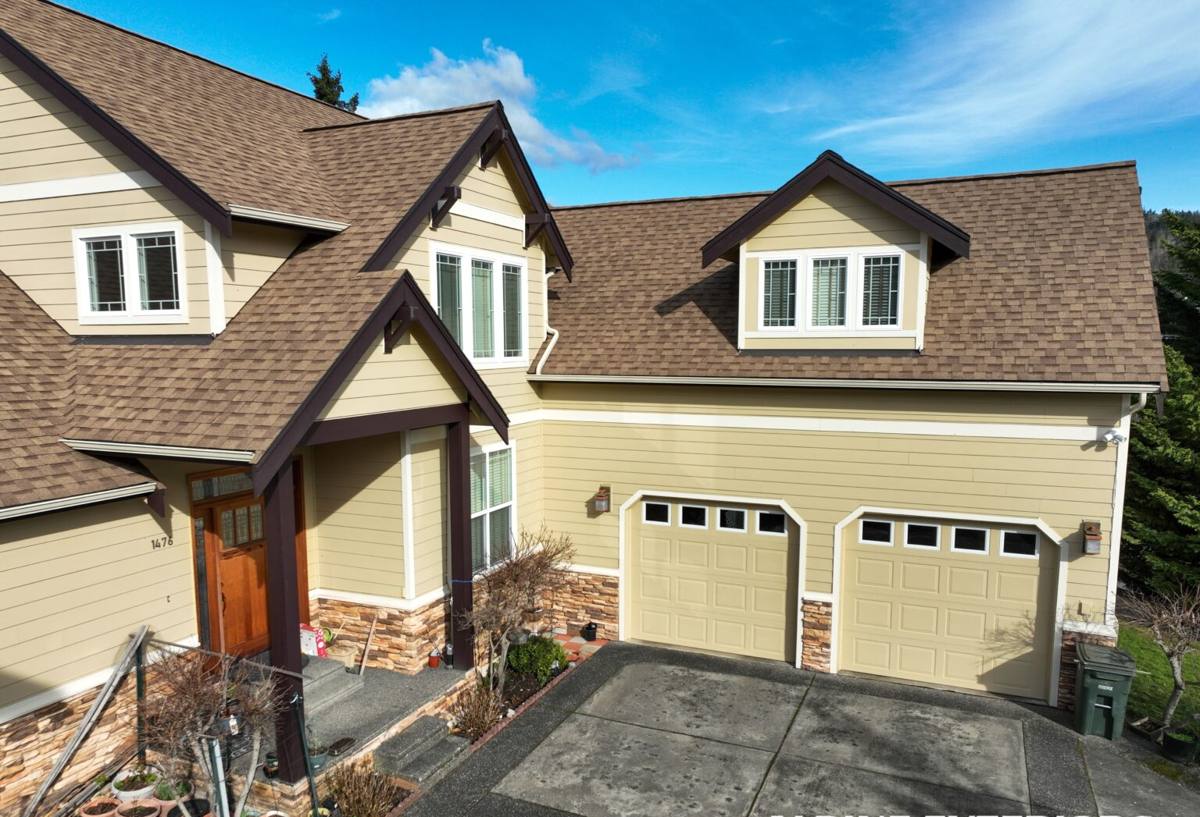
What Del Oro Homes Actually Need From a Metal Roof
A metal roof installed to a generic national standard isn't necessarily built for what this part of Pinellas County throws at it. The relevant local stresses are fairly specific:
- Wind uplift resistance: Metal panels have to be fastened and sealed in a way that's rated to resist uplift in sustained high winds and gusts, not just standard building-code minimums for a milder climate.
- Corrosion resistance: Salt-laden air moving in off the water accelerates corrosion on fasteners, flashing, and cut panel edges faster than it would further inland, which makes coating quality and fastener grade a real durability issue, not a cosmetic one.
- UV and heat stability: Florida's sun load year-round works on paint finishes and sealants constantly, not just seasonally, so finish quality affects how long a roof holds its color and its weather seal.
- Wind-driven rain management: Rain here doesn't always fall straight down — storms push it sideways and up under panel edges and around penetrations, which puts more demand on underlayment and flashing than a roof in a drier, calmer climate ever sees.
None of this makes metal the wrong choice — quite the opposite, it's one of the better-suited materials for this exact set of conditions when it's specified and installed correctly. It just means the installation has to actually account for these stresses rather than treating the job like a generic roof replacement.
Panel Types and Which Ones Make Sense Here
Not all metal roofing is the same product wearing a different profile. The two broad categories homeowners in Del Oro typically choose between are standing seam and exposed-fastener panels, and the difference matters more in this climate than it would somewhere with milder weather.
Standing Seam
Standing seam panels interlock along raised vertical seams with fasteners hidden underneath, concealed from sun and weather. That means the fasteners aren't exposed to direct UV degradation or repeated wetting, and the panels can expand and contract with temperature swings without stressing the fastening points. It's the higher-cost option, but it's also the system we recommend most often for full roof replacements in this area specifically because of how well it handles wind uplift and long-term weather exposure.
Exposed-Fastener Panels
Exposed-fastener panels (often called 5V or corrugated-style panels) are fastened directly through the panel face with screws and washers. They cost less upfront and can be a reasonable choice for certain applications, but the washers and fastener seals are a wear item — they degrade under UV exposure and need to be checked and occasionally replaced over the roof's life. In a climate with this much sun and salt exposure, that maintenance dependency is worth knowing about before choosing this route.
| Factor | Standing Seam | Exposed-Fastener |
|---|---|---|
| Fastener exposure | Concealed, protected from UV and direct wetting | Exposed through panel face, relies on washer seals |
| Long-term maintenance | Minimal — no fastener re-seating needed | Periodic fastener and washer inspection recommended |
| Wind uplift performance | Generally stronger due to concealed clip fastening system | Performance depends heavily on fastener spacing and panel gauge |
| Upfront cost | Higher | Lower |
| Typical use | Full roof replacements, coastal-exposed homes | Accessory structures, budget-conscious projects |
What a Correct Installation Involves
The panel itself is only part of the system. Most of the failures we see on metal roofs in this area trace back to installation shortcuts, not the metal itself. A correct install includes:
- A full tear-off and deck inspection, replacing any rotted or delaminated sheathing before new material goes down
- A high-temperature-rated synthetic or self-adhered underlayment suited to wind-driven rain, not just basic felt
- Fastener spacing and clip patterns that meet the wind uplift rating required for our area, not a generic minimum
- Corrosion-resistant fasteners and flashing metal matched to the panel material to avoid galvanic corrosion between dissimilar metals
- Properly formed and lapped flashing at every valley, wall intersection, chimney, and roof penetration
- Balanced ridge and soffit ventilation so heat and moisture aren't trapped under the deck
Every one of these steps is invisible once the roof is finished, which is exactly why it's worth asking a contractor to walk through them before work starts rather than assuming they're happening.
Metal Roofing and Wind Mitigation Considerations
Florida homeowners are generally familiar with wind mitigation inspections and the role they play in windstorm insurance pricing. A metal roof installed with the correct fastening pattern, secondary water barrier, and documented compliance can affect how a home scores on that inspection. The exact effect on a premium varies by carrier, policy, and the rest of the home's construction, so we don't make specific savings promises — but we do make sure the installation is documented in a way that supports whatever wind mitigation inspection the homeowner has done afterward, since an install that isn't documented properly can't be credited even if it was done correctly.
How Our Process Works
We keep the process straightforward and try not to make homeowners guess what's happening at each stage:
- On-site assessment: We walk the roof, check the deck condition where accessible, and talk through panel type and finish options based on the home's layout and the homeowner's priorities.
- Written estimate: A clear breakdown of scope, materials, and price — no vague allowances that turn into surprise add-ons later.
- Tear-off and deck prep: Old roofing comes off, the deck gets inspected, and any compromised sheathing is replaced before anything new goes down.
- Underlayment and flashing: The weather barrier and all flashing details go in first, since these do most of the actual work of keeping water out.
- Panel installation: Panels are fastened to the specified pattern and clip spacing for our wind zone, with attention to clean, straight lines and proper trim details.
- Final walkthrough and cleanup: We review the finished roof with the homeowner and make sure the property is cleared of debris and stray fasteners.
Maintenance Expectations
One of the practical advantages of a correctly installed metal roof in Del Oro is how little routine upkeep it demands compared to some other roofing materials. Reasonable expectations look like:
- An occasional rinse to clear salt residue and debris, especially on roof planes exposed to onshore wind
- A visual check after major storms for any lifted panels, loosened fasteners, or shifted flashing
- Keeping gutters and valleys clear so water isn't pooling against panel edges or flashing
- Periodic fastener inspection if the roof uses an exposed-fastener panel system
Why Local Experience in Del Oro Matters
A metal roof is a long-term investment, and the way it's specified and installed needs to match the exact conditions of the property it's going on — not a generic national standard for "Florida" or "the Southeast." Working regularly in Del Oro and the surrounding Clearwater area means we already know what wind exposure and salt air do to roofs in this specific part of Pinellas County, what permitting and inspection process the job needs to go through locally, and what's realistic to expect from different panel and finish combinations here. That local familiarity shows up in the details — fastening patterns, flashing choices, underlayment selection — that determine whether a metal roof performs the way it's supposed to for the next several decades.
If you're considering a metal roof for your Del Oro home, we're happy to take a look at the property, walk through panel and finish options that fit the house, and put together a free, no-pressure estimate.