 Clearwater Roofing
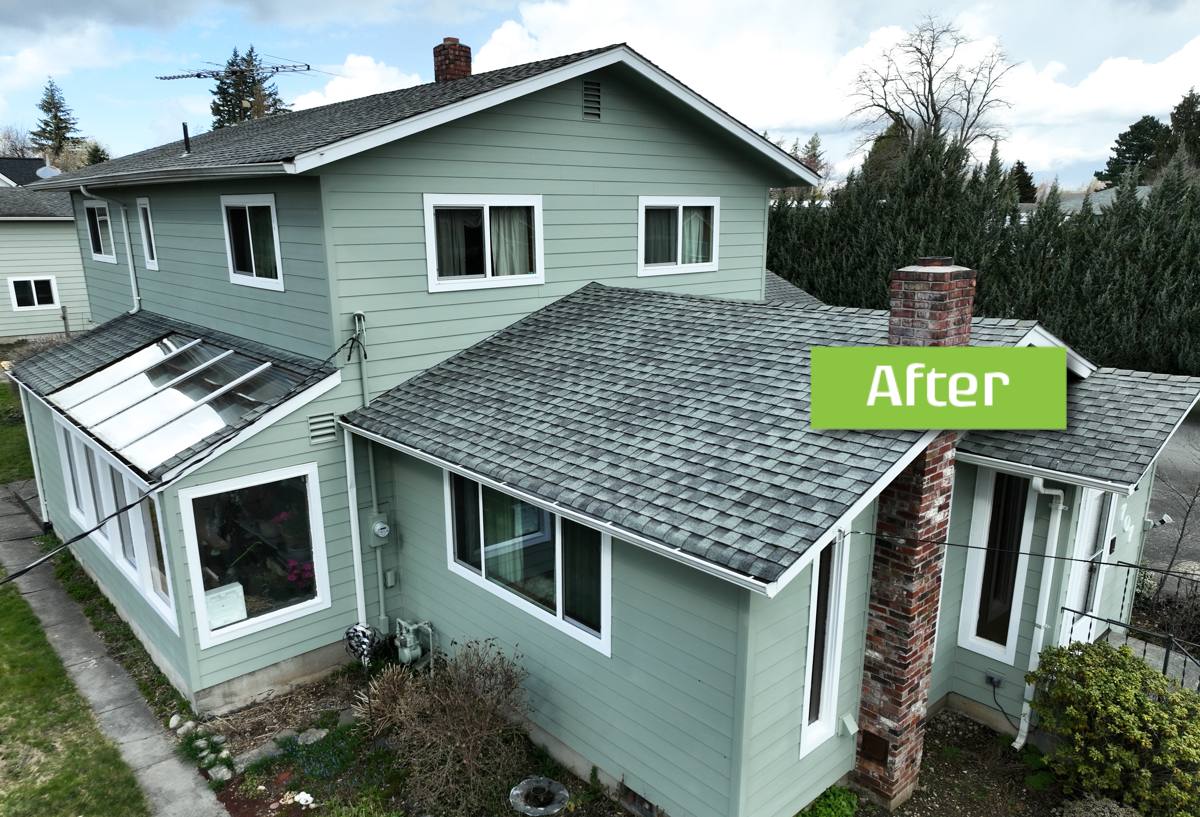
 New Roof Installation for Coachman Ridge Homes
Coachman Ridge is a well-established residential pocket of Clearwater, and like most neighborhoods built up over the past several decades, a lot of its roofs are reaching the point where patching no longer makes sense. If you're a homeowner here weighing repair against full replacement, or you already know your roof is past its service life, this page covers what a correct new roof installation actually involves in this part of Pinellas County — not a generic overview, but the specifics that matter for homes in this area.
We install new roofs for Coachman Ridge homeowners on a regular basis, which means we're not learning the neighborhood's roof pitches, attic layouts, and HOA expectations on your dime. That familiarity shows up in faster accurate estimates, fewer surprises once we open up the deck, and a crew that shows up knowing the streets.
What Clearwater's Climate Demands From a New Roof
A roof installed in Coachman Ridge has to survive conditions that are meaningfully harsher than what roofing manufacturers design for as a national baseline. Four factors drive almost every decision we make on a new roof here:
- Hurricane-force wind: Pinellas County sits in a high-velocity hurricane zone, and Florida Building Code wind uplift requirements apply to every new roof installed here — not just the shingles, but the nailing pattern, underlayment attachment, and edge metal.
- Intense, year-round UV exposure: Florida sun degrades asphalt shingles and rubber roofing components faster than in most of the country, which shortens the effective lifespan of lower-grade materials regardless of what the warranty paperwork says.
- Wind-driven rain: Storms here rarely deliver rain straight down. Wind pushes water sideways and upward under laps and flashing, which is why underlayment choice and flashing detail work matter more here than in drier, calmer climates.
- Salt air: Clearwater's proximity to the Gulf means airborne salt accelerates corrosion on exposed metal fasteners, vent stacks, and flashing — a detail that's easy to overlook but shows up as rust streaks and premature fastener failure within a few years on the wrong hardware.
None of this means a new roof needs to be exotic or overbuilt. It means the underlayment, fasteners, flashing metal, and installation method all need to be chosen and installed with these four stressors in mind — not treated as afterthoughts.
Signs a Coachman Ridge Roof Needs Full Replacement, Not Another Repair
We'd rather tell a homeowner honestly that a repair will hold for a few more years than sell a roof that isn't needed yet. That said, there's a point where repeated repairs stop being the economical choice. Common indicators we look for during an inspection:
- Granule loss heavy enough that you can see bare, shiny patches on asphalt shingles
- Multiple layers of roofing already on the deck (common on older homes that were re-roofed over existing shingles)
- Soft or spongy decking felt underfoot, indicating moisture has reached the plywood
- Curling, cracking, or lifting shingles across large sections rather than isolated spots
- Repeated leak calls in different locations each time, rather than one recurring source
- A roof approaching or past the manufacturer's rated lifespan for its material and this climate
If your roof shows one or two of these in isolation, a targeted repair is often the right call and we'll say so. When several show up together, full replacement typically costs less over time than continuing to chase leaks on an aging roof deck.
What a Correct New Roof Installation Involves
Tear-Off and Deck Inspection
A proper install starts with removing the old roofing down to the deck — never installing over existing layers, which traps moisture and voids most manufacturer warranties. Once the deck is exposed, we inspect for rot, delamination, and soft spots, and replace any damaged plywood before anything new goes down. Skipping this step is one of the most common corners cut in this trade, and it's the one that causes the most expensive problems later.
Underlayment
Given how much wind-driven rain this area sees, underlayment isn't a place to save money. Self-adhering, waterproof underlayment at eaves, valleys, and penetrations gives the roof a secondary barrier if wind ever drives water past the primary roofing material — which matters far more here than in a climate without tropical storm exposure.
Fastening and Wind Uplift Compliance
Florida Building Code specifies nailing patterns and fastener counts based on your home's wind zone, roof geometry, and material. This isn't a suggestion — it's inspected, and it's the single biggest factor in whether a roof stays intact during a tropical storm or hurricane. We follow code nailing patterns exactly, not the minimum a manufacturer allows for a lighter-duty install.
Flashing and Metal Work
Flashing around chimneys, walls, skylights, and roof-to-wall transitions is where most leaks actually originate — not in the field of the roof itself. We use corrosion-resistant metal appropriate for coastal salt exposure, formed and sealed to shed wind-driven rain rather than just vertical rainfall.
Ventilation
Attic ventilation affects both energy bills and roof lifespan. Poor ventilation traps heat and moisture under the deck, which accelerates shingle aging from underneath — a slower, less visible version of the UV damage happening on top. We check existing intake and exhaust venting and correct imbalances as part of a new roof install, not as an upsell afterward.
Our Installation Process, Start to Finish
- On-site inspection and estimate — we walk the roof, check the attic, and give you a written scope and price, not a verbal ballpark.
- Material selection — we go over shingle or roofing options suited to your budget, HOA requirements, and this climate specifically.
- Permitting — we pull the required Pinellas County/City of Clearwater permit before work begins; this isn't optional and protects you if there's ever an insurance claim tied to the roof's condition or age.
- Tear-off and deck repair — old roofing removed, deck inspected, damaged plywood replaced.
- Underlayment and flashing installation — the waterproofing layer most homeowners never see but that determines how the roof performs in a storm.
- Roofing material installation — installed to code-required wind uplift specifications.
- Final inspection and cleanup — county inspection sign-off, magnetic sweep for stray nails, and full site cleanup before we consider the job finished.
Roofing Material Options for Coachman Ridge Homes
Most homes in this neighborhood use architectural asphalt shingles, though tile and metal are both present locally and each has trade-offs worth understanding before you decide.
| Material | Typical Lifespan Here | Wind Performance | Maintenance Considerations |
|---|---|---|---|
| Architectural Asphalt Shingle | 20-30 years | Good, when installed to code wind-rated specs | Lowest upfront cost; granule loss and algae staining over time in this UV/humidity mix |
| Concrete or Clay Tile | 30-50 years | Very good when properly fastened; individual tiles can crack on impact | Heavier structural load; underlayment beneath tile still needs periodic replacement |
| Standing Seam Metal | 40-50+ years | Excellent wind uplift resistance with proper fastening | Higher upfront cost; fastener and coating quality matter more in salt air |
We don't push one material over another as a default. The right choice depends on your budget, your home's structure, HOA guidelines in Coachman Ridge, and how long you plan to stay in the home.
Permits, Wind Mitigation, and Insurance in Pinellas County
A new roof in Clearwater requires a building permit, and the completed work has to pass inspection before it's considered finished. Beyond code compliance, a new roof is also the point at which most homeowners update their wind mitigation inspection — the report insurers use to calculate windstorm premium discounts. A properly installed, code-compliant roof with documented fastening and underlayment can meaningfully lower your homeowner's insurance cost, which is worth factoring into the overall value of replacement, not just the sticker price of the job.
Why a Crew That Already Works Coachman Ridge Matters
Roofing crews that work the same neighborhoods repeatedly build a working knowledge of things that don't show up in a generic estimate: typical roof pitches and structures in the area's housing stock, common HOA material and color restrictions, which permitting steps tend to move quickly versus slowly with the local building department, and how prior storms have historically affected homes nearby. That local pattern recognition translates into more accurate estimates up front and fewer mid-project surprises. It also means if you need a follow-up inspection or warranty question answered years down the road, you're working with a crew that has a track record in your neighborhood, not a one-time out-of-area install.
Cost Factors to Understand Before You Get Quotes
| Factor | How It Affects Price |
|---|---|
| Roof size and pitch | Larger and steeper roofs require more material and labor time |
| Number of roof layers to remove | Tear-off of multiple existing layers adds labor and disposal cost |
| Deck condition | Rotted or delaminated plywood found during tear-off adds material and labor |
| Material selection | Asphalt, tile, and metal carry significantly different material costs |
| Roof complexity | Valleys, dormers, chimneys, and skylights add flashing labor and time |
| Ventilation upgrades | Correcting inadequate attic ventilation adds modest cost but extends roof life |
Be cautious of any quote that's dramatically lower than others you receive — it's often a sign of a shortened tear-off, minimum-code (or below-code) fastening, or underlayment being skipped at critical areas like valleys and eaves. Ask each contractor to itemize what's included, not just a bottom-line number.
A Practical Checklist Before You Sign a Roofing Contract
- Confirm the contractor is licensed to work in Florida and carries current liability and workers' comp insurance
- Get the scope in writing, including underlayment type, fastening method, and flashing materials
- Confirm who pulls the permit and ask to see the permit number once issued
- Ask whether a full tear-off is included or whether they're proposing an overlay
- Confirm what happens if deck rot is found — get the per-sheet replacement cost in writing up front
- Ask about manufacturer warranty terms versus workmanship warranty terms — they're not the same thing
- Check for local references or completed jobs in your own neighborhood
Get an Estimate for Your Coachman Ridge Roof
If your roof is showing its age or you just want an honest read on where it stands, we're happy to come take a look. The estimate is free, there's no pressure to move forward, and you'll get a straight answer about whether replacement makes sense now or whether a repair can reasonably buy you more time. Use the form below to get started.