 Clearwater Roofing
 Storm Damage Is Different From Ordinary Roof Wear
A roof that fails gradually from age gives you warning signs over months or years. Storm damage doesn't work that way. A single afternoon of straight-line winds, hail, or a tropical system moving through Pinellas County can compromise a roof that was otherwise sound the day before. For homeowners in Oldsmar, that distinction matters, because storm damage often hides in places a casual glance from the driveway won't catch, and it tends to get worse with every rain event that follows until it's properly repaired.
Oldsmar sits close enough to Tampa Bay and the Gulf that it gets the full range of what Florida weather throws at a roof: hurricane-force wind gusts and wind-driven rain during tropical systems, sudden summer thunderstorms with lightning and heavy hail on occasion, and then months of intense UV exposure baking the same roof in between storms. That combination — violent short-term stress layered on top of constant heat and sun aging — is what makes storm damage repair in this area a different job than it is in a drier, milder climate.
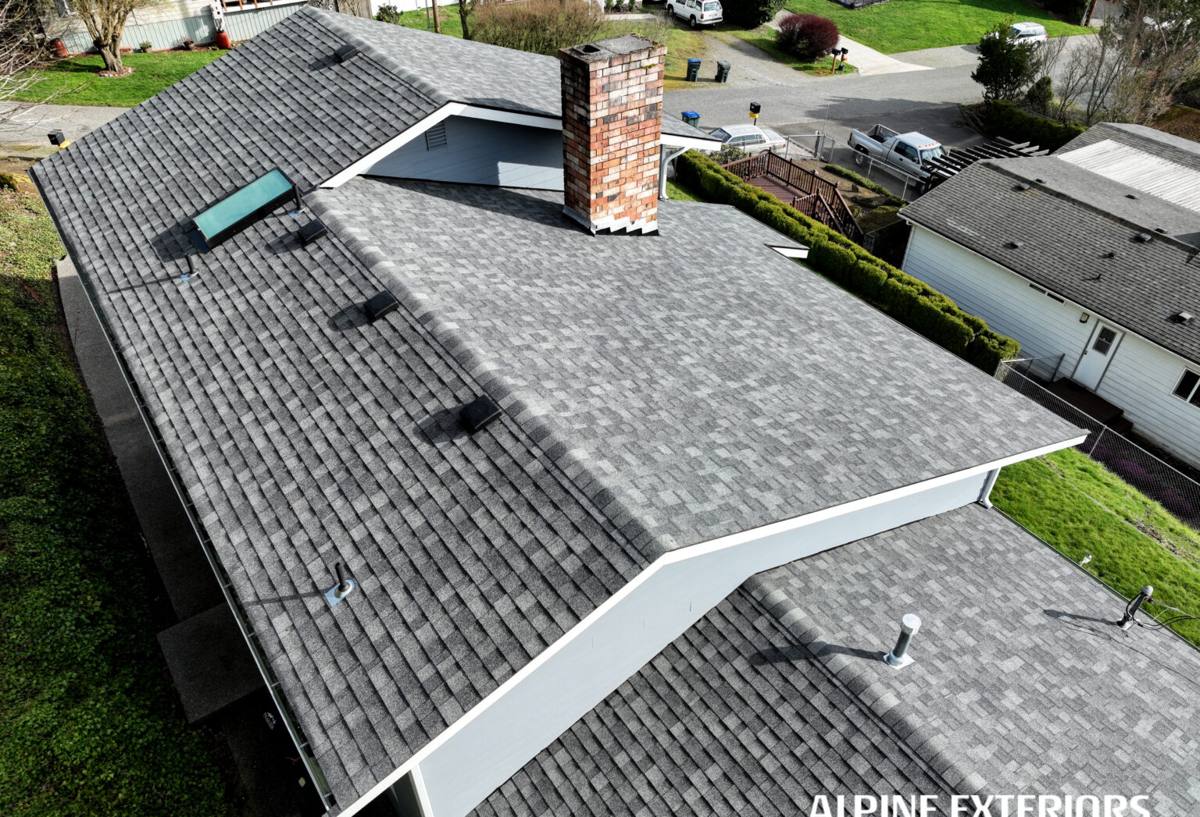
What Storm Damage Actually Looks Like on an Oldsmar Roof
Most storm damage isn't a dramatic hole in the roof. It's smaller and easier to miss, which is exactly why it causes so many slow leaks and interior repair bills months after the storm has been forgotten.
Common damage patterns after wind and rain events
- Shingles or tiles lifted, cracked, or creased at the edges where wind gets underneath
- Torn or missing sections along ridges, hips, and roof edges — the areas that take the most wind load
- Granule loss on asphalt shingles from wind-driven rain and hail impact, leaving bald patches that age faster
- Flashing pulled loose or bent around chimneys, vents, and skylights
- Soft spots or staining in the decking underneath, found only once shingles or tiles are pulled back
- Debris impact marks — branches, tree limbs, or wind-blown yard items striking the field of the roof
- Gutter and fascia damage that lets water track behind the roof edge instead of off of it
Salt air compounds all of this. Even a few miles inland from the Gulf, airborne salt accelerates corrosion on exposed fasteners, flashing, and metal roof edges. A fastener that's already starting to corrode is far more likely to work loose or fail outright the next time wind gets under a shingle edge.
Why a Quick Patch Isn't the Same as a Correct Repair
After a storm, it's tempting to just get a leak stopped and move on. We understand the urgency — but a repair that only addresses the visible symptom often leaves the underlying problem in place, and Florida's climate doesn't give a damaged roof any time to rest before the next storm system rolls through.
A correct storm damage repair for an Oldsmar home involves a few things a quick patch skips:
- Checking the decking, not just the surface. Wind and water damage often extends below the shingles or tiles into the plywood decking. Repairing over compromised decking just hides a soft spot that will keep getting worse.
- Matching materials and fastening patterns to code. Pinellas County follows Florida's wind-resistance building code requirements. A repair that doesn't match proper nailing or fastening patterns for the local wind zone can fail again in the very next storm, even if it looks fine on the surface.
- Inspecting flashing and penetrations, not just the shingle field. A huge share of storm leaks trace back to flashing around chimneys, vents, and valleys — areas that are easy to overlook if the repair only focuses on the section of shingles that looks obviously torn up.
- Documenting the damage properly. If you're filing an insurance claim, photos and a written scope of the actual damage — not just a repair invoice — make a real difference in how smoothly that claim moves.
Our Storm Damage Repair Process
1. Inspection and documentation
We walk the roof (or use appropriate access methods when conditions don't allow a safe walk) and document every area of damage with photos, not just the spots that are obvious from the ground. This becomes the basis for both the repair plan and any insurance claim you decide to file.
2. Temporary protection, if needed
If there's an active leak or exposed decking, our priority is getting the home protected from further water intrusion before we move into the full repair — especially important during Florida's rainy season when the next downpour can be a day or two away, not a week.
3. Scope and estimate
We give you a clear, honest breakdown of what needs repair versus what can be left alone. Not every storm-damaged roof needs full replacement, and we're not going to tell you it does when a targeted repair will genuinely hold up.
4. The repair itself
Damaged shingles, tiles, underlayment, flashing, and decking are replaced to match the surrounding roof as closely as possible, fastened to current wind-resistance standards, and sealed at every penetration point.
5. Final walkthrough
We go over exactly what was done and what to watch for going forward, particularly if your roof is getting close to the age where a storm repair is a good moment to start planning for eventual full replacement.
Roofing Materials: How They Hold Up to Storm Conditions
If your storm repair involves replacing a meaningful section of roof, it's worth understanding how different materials generally perform under Florida storm conditions. This isn't about one product being "bad" — it's about trade-offs in maintenance, wind performance, and how each material behaves under sustained coastal exposure.
| Material | Wind Performance | Salt Air / UV Behavior | Repair Considerations |
|---|---|---|---|
| Architectural asphalt shingle | Good, when properly fastened to code | UV causes gradual granule loss over time | Straightforward to patch and blend with existing roof |
| Concrete or clay tile | Very good when fasteners and underlayment are sound | Tile itself is durable; underlayment beneath is the weak point | Individual tiles can crack on impact; underlayment failure is the bigger long-term risk |
| Standing seam metal | Excellent when panels and seams are intact | Coastal salt air can corrode fasteners and cut edges over years | Repairs require matching panel profile and careful seam work |
| 3-tab asphalt shingle | Lower wind rating than architectural shingles | Ages faster under constant Florida UV | Often more cost-effective to replace than patch piecemeal |
We don't push homeowners toward a single "right" material. What matters more is that whatever is on your roof now is repaired with materials and methods appropriate to how it was originally installed, and fastened in a way that actually accounts for the wind loads Oldsmar sees.
Storm Damage and Insurance Claims
Most storm damage repairs in this area involve an insurance claim, and the process goes more smoothly when the damage is documented clearly and promptly. A few things worth knowing:
- Insurers generally want to see documentation of the damage tied to a specific storm event, not just general wear
- An inspection soon after a storm — even if the damage seems minor — creates a record before secondary damage (leaks, mold, decking rot) has a chance to develop
- A detailed, itemized scope of repair helps adjusters evaluate the claim accurately instead of underestimating the work involved
- Not every storm event will meet a policy's deductible threshold — an honest assessment up front saves you from filing a claim that doesn't make sense to pursue
We're not an insurance company and we don't handle the claim itself, but we can give you the documentation and honest scope of damage that makes your own claims process more straightforward.
Why Local Experience in Oldsmar Matters
A crew that regularly works roofs in Oldsmar and the greater Clearwater area understands things a roofer from outside the region has to learn on the fly: how wind typically moves across this part of Pinellas County during a tropical system, how quickly salt air corrodes fasteners on homes closer to the water, and which older roofing installations in this area tend to have underlayment or fastening patterns that don't meet current wind-resistance expectations.
That familiarity shows up in practical ways — knowing what to check first during an inspection, recognizing damage patterns that are common to this area's storm history, and being available quickly after a storm when demand for roofing work spikes across the whole region at once. A contractor that treats Oldsmar as a regular part of their service area, not an occasional stop, is going to give you a more accurate read on your roof.
What to Do Right After a Storm
- Check for interior signs first — water stains on ceilings, damp spots in the attic, or dripping — before going up on the roof yourself
- Photograph any visible exterior damage from the ground: missing shingles or tiles, debris on the roof, damaged gutters
- Avoid walking a wet or storm-damaged roof yourself — loose shingles and soft decking are a real fall hazard
- Cover any active interior leak to limit water damage to floors and belongings while you arrange an inspection
- Get a professional inspection promptly, even if the damage looks minor from the ground
- Keep any documentation and repair estimates together for your insurance file
If a recent storm has you wondering whether your Oldsmar roof needs attention, we're happy to take a look and give you a straight answer — no pressure, no upsell. Use the form below to request a free estimate and we'll get back to you to schedule a time.