 Clearwater Roofing
 Asphalt Shingle Roofing Built for Palm Harbor's Climate
Palm Harbor sits close enough to the Gulf that its homes take on a specific combination of punishment: salt-laden air moving in off the water, some of the most intense year-round UV exposure in the continental United States, sudden wind-driven downpours, and the real possibility of hurricane-force gusts during storm season. An asphalt shingle roof here isn't just a covering — it's the single largest weatherproofing system protecting the house, and it has to be installed with all four of those stresses in mind at the same time. A roof detailed for a drier, cooler climate will not hold up the same way here, even if the shingle itself is a good product.
We work on homes throughout the Clearwater area, including Palm Harbor, and we approach every asphalt shingle job the same way: as a system of parts — deck, underlayment, flashing, shingles, ventilation — that all have to work together. Get one part wrong and the rest of the roof is compromised no matter how good the shingles look from the street.
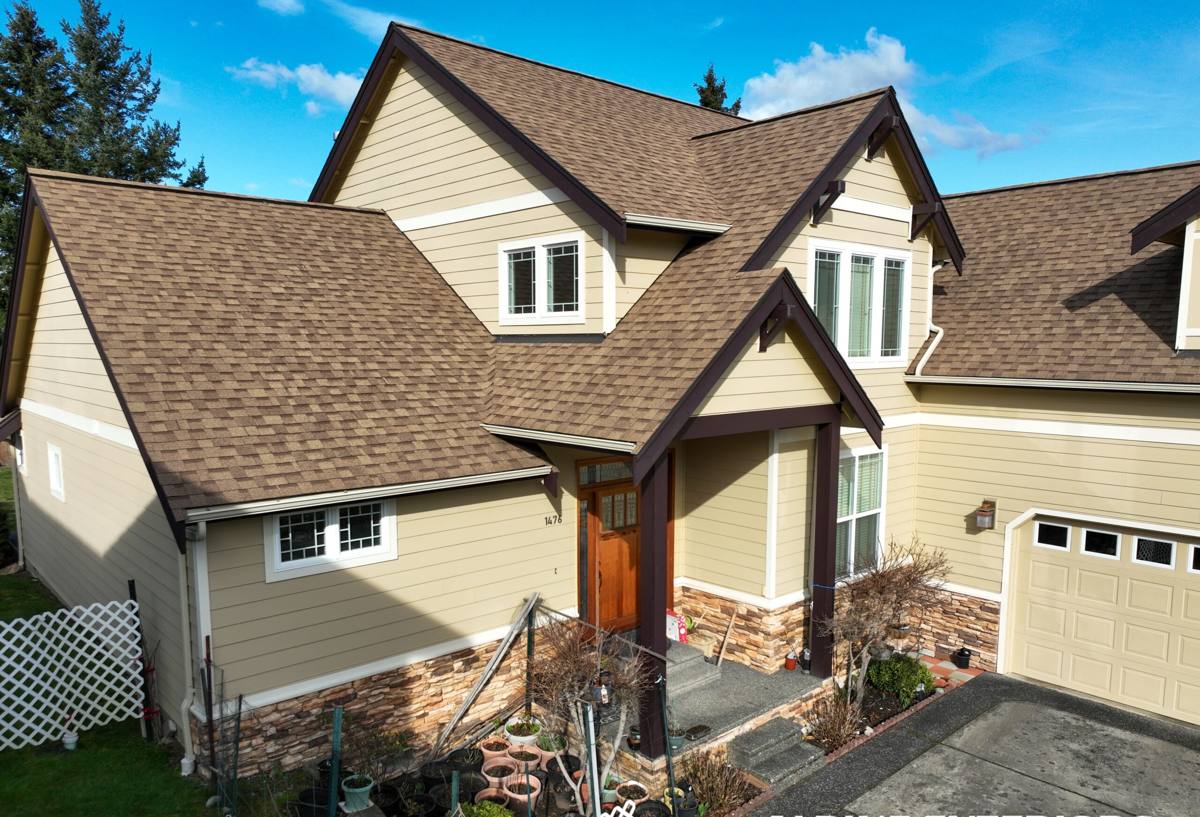
What Palm Harbor's Climate Actually Demands From a Roof
It helps to be specific about what's working against a roof here, because it changes how the job should be done.
Wind
Pinellas County sits in a high-velocity hurricane zone under the Florida Building Code, which means shingles, fasteners, and installation methods all have code-mandated wind-resistance requirements. A roof that meets minimum code is the floor, not the goal — the difference between a roof that loses shingles in a strong storm and one that doesn't usually comes down to nailing pattern and adhesive sealing, not the shingle brand printed on the wrapper.
UV exposure
Florida's sun breaks down asphalt shingles faster than almost anywhere else in the country. UV exposure dries out the asphalt binder over time, which is what eventually leads to granule loss, brittleness, and cracking. Shingle quality and proper attic ventilation both directly affect how long a roof holds up against this.
Wind-driven rain
Storms here rarely arrive as simple straight-down rain. Wind pushes water sideways and upward under shingle edges, around penetrations, and into valleys — which is why underlayment, flashing, and valley detailing matter as much as the shingles themselves. Most leaks we're called out to investigate started at a flashing or valley detail, not in the field of the roof.
Salt air
Being near the coast means airborne salt settles on the roof and accelerates corrosion of exposed metal — nail heads, flashing, vent stacks, and fasteners. Using corrosion-resistant materials in these spots isn't optional upgrading; it's a practical requirement for a roof that's supposed to last.
What a Correct Asphalt Shingle Installation Involves
A shingle roof is a layered system, and skipping or rushing any layer shortens the life of the whole roof.
Deck inspection and repair
Before anything goes down, the roof deck gets inspected for soft spots, delamination, or water damage from the old roof. Shingles installed over a compromised deck will fail early no matter how well the rest of the job is done — this step gets done first, not skipped to save time.
Underlayment and water barrier
Given how much wind-driven rain this area sees, we treat underlayment as a real second layer of protection, not a formality. Self-adhering membrane at eaves, valleys, and around penetrations gives the roof a sealed backup layer in the exact spots wind-driven water tends to find a way in.
Nailing pattern and fastening
High-wind-zone installation calls for a specific number of nails per shingle, placed in the manufacturer's designated nailing zone, driven flush (not overdriven or underdriven). This is the single biggest factor in whether a roof holds together in sustained high winds — more important than the shingle line chosen.
Flashing details
Step flashing at walls, counter-flashing at chimneys, and properly formed valley flashing are what keep water out at the roof's transition points. These are custom-fit on site, not generic parts — done wrong, they're the most common source of leaks on an otherwise sound roof.
Ventilation
Balanced intake and exhaust ventilation keeps attic temperatures and moisture in check, which protects the shingles from the underside and helps control cooling costs in Florida's heat. A poorly ventilated attic can shorten shingle life even when everything else was installed correctly.
Choosing the Right Shingle for This Exposure
Not every asphalt shingle product is a good match for coastal Pinellas County conditions. Here's how the common categories compare for a Palm Harbor home:
| Shingle Type | Typical Wind Rating | Best Suited For | Trade-Offs |
|---|---|---|---|
| 3-tab shingles | Lower end of code-rated options | Budget-conscious re-roofs, secondary structures | Shorter lifespan under intense UV and wind exposure |
| Architectural (laminated) shingles | Higher wind ratings, most rated for high-velocity zones | Most Palm Harbor primary residences | Higher upfront cost, better long-term value in this climate |
| Impact-resistant / Class 4 shingles | High wind ratings plus impact resistance | Homes prioritizing storm resilience and potential insurance credit | Higher material cost; check with your insurer on any premium discount |
| Algae-resistant granule shingles | Varies by product line | Homes wanting to slow the dark streaking common in humid coastal climates | Slightly higher cost for the granule treatment |
We talk through these trade-offs honestly with every homeowner rather than defaulting to whatever's cheapest to install. In most cases, architectural shingles rated for high-velocity hurricane zones are the right baseline for this area, with Class 4 impact-resistant lines worth discussing if storm resilience and potential insurance savings matter to you.
Our Process From Estimate to Cleanup
1. Inspection and honest estimate
We walk the roof, check the deck where accessible, and look at flashing, valleys, and ventilation — not just the shingles. You get a written estimate that explains what we found and why we're recommending what we're recommending, with no pressure to decide on the spot.
2. Tear-off and deck check
Old roofing comes off down to the deck so we can actually see what's underneath. Any soft or damaged decking gets identified and addressed before a single new shingle goes down.
3. Underlayment, flashing, and shingle installation
We install the water barrier and flashing details first, then the shingles, following manufacturer specifications and high-wind-zone fastening requirements throughout.
4. Ventilation check
We confirm intake and exhaust ventilation are balanced for the attic space, adding or correcting components as needed.
5. Cleanup and final walkthrough
Job site debris and nails get cleaned up thoroughly, and we walk the finished roof with you so you know exactly what was done.
Signs a Palm Harbor Roof Needs Attention
Because of the UV and salt exposure here, asphalt shingle roofs tend to show wear in specific ways. Worth checking for:
- Granules collecting in gutters or at downspout outlets
- Shingles that look curled, cupped, or cracked, especially on the side of the roof that gets the most afternoon sun
- Dark streaking or staining across sections of the roof
- Nail heads visibly rusting or backing out, especially near the coast-facing side of the house
- Soft spots or sagging noticeable when walking the roof or viewed from the attic
- Missing or lifted shingles after any wind event, even a modest one
- Daylight visible through the roof deck from inside the attic
- Water stains on interior ceilings, especially near chimneys, skylights, or wall intersections
Any one of these on its own doesn't necessarily mean a full replacement is needed — but they're worth a professional look before the next storm season rather than after a leak shows up inside the house.
What Affects the Cost of a Palm Harbor Shingle Roof
| Factor | Why It Matters Here |
|---|---|
| Roof size and pitch | More surface area and steeper pitches take more time and material to install correctly |
| Shingle class chosen | Standard architectural vs. Class 4 impact-resistant lines carry different material costs |
| Deck condition | Rotted or delaminated decking found during tear-off requires repair before installation continues |
| Number of penetrations | Chimneys, skylights, and vent stacks each require custom flashing work |
| Ventilation upgrades | Adding or correcting intake/exhaust ventilation affects labor and material |
| Permit and code requirements | Pinellas County's high-velocity hurricane zone rules affect fastening specs and inspection steps |
Broad ranges for a typical single-family asphalt shingle roof in this area run from the lower five figures for a straightforward architectural shingle re-roof up to notably more for larger, steeper, or more complex roofs, or for Class 4 impact-resistant materials. Your estimate will lay out exactly what's driving your number rather than handing you a single figure with no explanation.
Why Local Experience in Palm Harbor Matters
A roofing crew that regularly works in this part of Pinellas County already understands the permitting process, the wind-zone fastening requirements the county enforces, and the specific coastal wear patterns that show up on shingle roofs here. That familiarity shows up in small but important ways — knowing which flashing and fastener grades hold up against salt air, recognizing early UV wear before it becomes a leak, and building a roof that's genuinely ready for the next storm season rather than one that only looks finished.
We also stand behind our own work. If something about the installation isn't right, we come back and make it right — that accountability matters more on a coastal roof than almost anywhere else, because the climate here doesn't give a poorly built roof much time to reveal its problems.
Maintenance That Extends Your Roof's Life Here
Even a well-installed asphalt shingle roof benefits from basic upkeep in this climate. Keeping gutters clear so wind-driven rain has somewhere to go, trimming back overhanging branches that hold moisture against shingles, and having the roof looked at after any significant storm are simple habits that catch small problems — a lifted shingle, a cracked pipe boot, a clogged valley — before they turn into interior damage. A quick professional check every year or two is generally enough to stay ahead of issues in a roof exposed to this much sun, wind, and salt air.
If your Palm Harbor home is due for a new roof, showing signs of wear, or you'd just like an honest opinion on what shape it's in, we're glad to come take a look. Use the form below to request a free, no-pressure estimate.