 Clearwater Roofing
 Building Decks That Actually Hold Up in Palm Harbor
Palm Harbor sits close enough to the Gulf that every outdoor structure on your property deals with the same conditions: thick humidity most of the year, strong UV exposure, wind-driven rain during storm season, and a steady dose of salt air drifting in off the coast. A deck built with materials or methods meant for a drier, cooler climate will show problems here faster than almost anywhere else in the country — cupping boards, rusted fasteners, loose railings, and wood that looks tired within a few seasons instead of a few decades.
We build custom decks specifically with Pinellas County conditions in mind. That means the framing, fastener selection, board spacing, and finish work all account for moisture cycling and sun exposure from the start, not as an afterthought. A deck is one of the few home improvements that lives entirely outside, fully exposed to whatever the Gulf Coast throws at it, so getting the fundamentals right matters more here than in almost any other region.
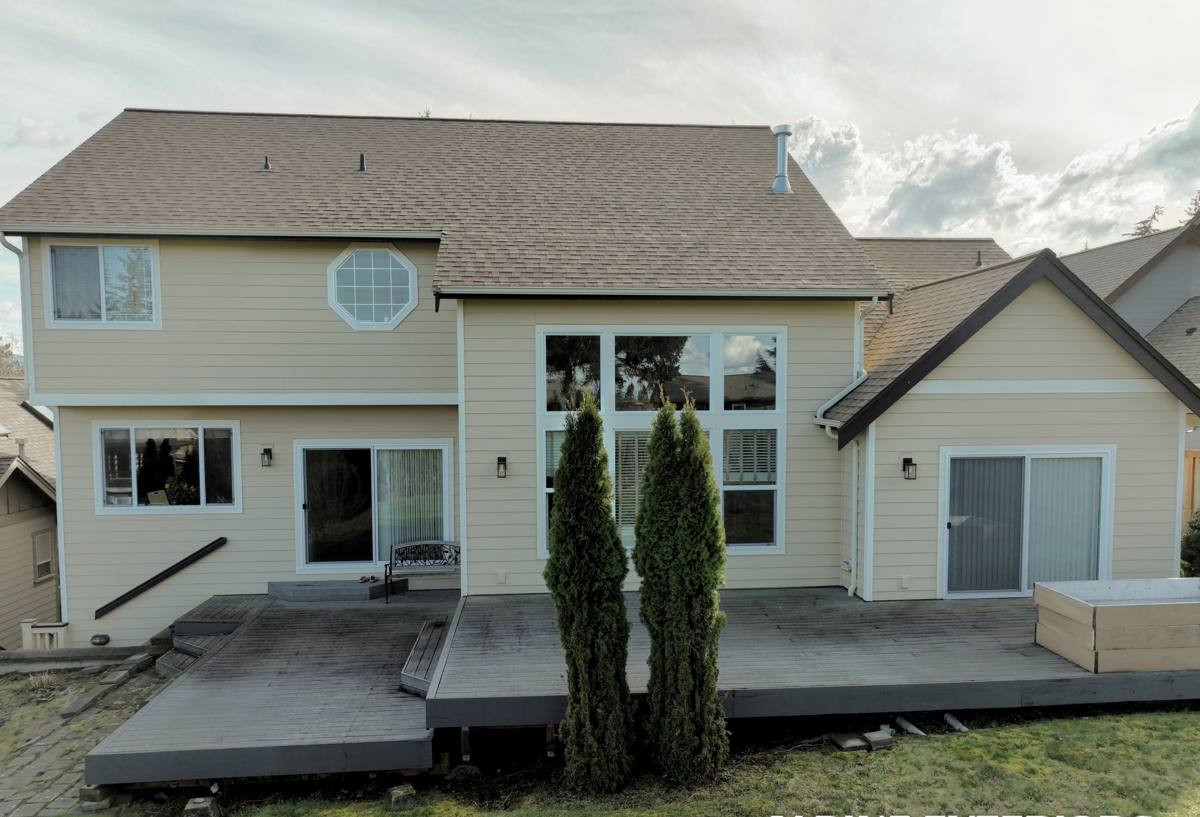
What Palm Harbor's Climate Does to a Poorly Built Deck
Understanding the failure points helps explain why our process looks the way it does. Homeowners in this area tend to see the same recurring problems on decks that weren't built for local conditions:
- Board cupping and warping — untreated or improperly kiln-dried lumber absorbs humidity unevenly, causing boards to curl at the edges
- Fastener corrosion — standard interior-grade screws and nails rust and stain the decking within a year or two when salt air is in the mix
- Ledger board rot — the connection point where a deck attaches to the house is the single most common structural failure spot when flashing is skipped or done wrong
- Railing and post wobble — undersized post footings that were fine in a drier climate can shift as Florida's sandy, moisture-variable soil settles differently than expected
- Finish breakdown — UV exposure here is intense nearly year-round, and standard stains or sealants can fade or chalk out well before their rated lifespan
None of these are exotic problems. They're predictable outcomes of building without accounting for what a Gulf Coast climate actually does to wood, metal, and finishes over time.
Choosing the Right Decking Material for This Climate
There's no single "best" decking material for every homeowner — it depends on budget, maintenance tolerance, and how the space will be used. What we won't do is put a material in the ground that we know is a poor match for coastal Florida conditions without being upfront about the trade-offs.
| Material | How It Handles Humidity & Salt Air | Maintenance | Typical Lifespan |
|---|---|---|---|
| Pressure-treated pine | Good when properly sealed; needs re-sealing on a regular schedule | Annual cleaning and re-sealing recommended | 10–15 years with upkeep |
| Composite decking | Excellent — doesn't absorb moisture or warp the way wood does | Occasional washing, no sealing or staining | 25–30 years |
| Tropical hardwoods (e.g. ipe) | Very good natural resistance to moisture and insects | Periodic oiling to maintain color and prevent graying | 25+ years |
| Cedar | Moderate — naturally rot-resistant but softer, needs consistent sealing here | Regular sealing, more sensitive to intense UV | 10–20 years with upkeep |
For most Palm Harbor homeowners who want to minimize upkeep, composite decking has become the go-to choice. It resists the humidity cycling and salt exposure that cause wood decks to cup and gray out, and it doesn't need annual sealing. That said, plenty of homeowners still prefer the look and feel of real wood, and pressure-treated or hardwood decking can absolutely last if it's installed correctly and maintained on schedule. We'll walk through the honest trade-offs for your specific project rather than pushing one material as a default.
Fasteners and Hardware Matter as Much as the Boards
One of the most overlooked factors in coastal deck longevity isn't the decking material at all — it's the hardware underneath. Standard galvanized fasteners can corrode faster than expected once salt air gets into the mix, especially closer to the water. We use stainless steel or coated fasteners rated for coastal exposure, along with corrosion-resistant joist hangers and structural connectors, so the deck's skeleton doesn't fail years before the surface boards show any wear.
What a Correctly Built Deck Involves
A deck that's going to hold up under Pinellas County conditions for decades — not just look good for the first summer — comes down to getting several structural details right that aren't always visible once the project is finished.
Ledger Board Attachment and Flashing
Where the deck meets the house is the highest-risk point for water intrusion. Proper flashing keeps wind-driven rain from working its way behind the ledger board and into your home's structure. This is one of the most common shortcuts taken on lower-quality deck builds, and it's one of the most expensive problems to fix after the fact because it often means opening up siding or framing to address rot that's already spread.
Footing Depth and Post Spacing
Florida's building code sets minimum footing depths for good reason — sandy soil and a high water table behave differently than the clay or loam soils deck-building guides from other regions assume. We size and space footings according to local code and the actual load the deck will carry, not generic spans pulled from a national average.
Joist Spacing and Board Direction
Tighter joist spacing than the material's minimum rating reduces bounce and extends the life of the decking surface, especially with composite boards that can sag more than wood over a longer span. Board direction and gap width are also set to allow for proper drainage and airflow underneath, which matters more here than in drier climates where standing moisture isn't as constant a concern.
Railings and Code Compliance
Railing height, baluster spacing, and structural attachment all need to meet Florida Building Code requirements, which exist specifically because of the wind loads this region can see. A railing that looks fine but isn't properly through-bolted into structural framing is a liability, not just a cosmetic shortcut.
Our Process for a Palm Harbor Deck Project
Every property is different, but the sequence we follow stays consistent because it's built around avoiding the failure points described above.
- On-site assessment — we look at your home's existing structure, the ledger attachment point, drainage patterns in the yard, and sun/shade exposure to inform design and material recommendations
- Design and material selection — we go over decking material options, layout, railing style, and any added features (built-in seating, multi-level design, stairs) against your budget
- Permitting — decks typically require a permit in Pinellas County; we handle the paperwork and inspections so you don't have to navigate the process yourself
- Site prep and footing installation — footings are dug and poured to code-required depth, sized for the deck's actual load
- Framing — ledger board flashing, joists, and structural connections go in first, using corrosion-resistant hardware throughout
- Decking, railing, and finish work — boards, railings, stairs, and any sealing or finishing are completed and inspected
- Final walkthrough — we go over the finished deck with you, including care and maintenance guidance specific to the material you chose
Why Hiring Locally Matters for This Job
A deck built by a crew unfamiliar with Gulf Coast conditions can look identical to a properly built one on installation day — the differences show up two, five, and ten years later, when the shortcuts start costing money. Working with a contractor already established in the Clearwater and Palm Harbor area means:
- Familiarity with Pinellas County permitting and inspection requirements, so the project doesn't stall on paperwork
- Knowledge of how local soil and drainage conditions affect footing placement on a given lot
- Material and fastener choices already calibrated for salt air and humidity, not guesswork
- A crew that's seen how different decking products actually perform locally over years, not just what a manufacturer's brochure claims
- Accountability — we're not a traveling crew that's hard to reach if a warranty issue comes up down the road
Maintenance That Extends Your Deck's Life
Whatever material you choose, a little regular upkeep goes a long way in this climate. A basic seasonal checklist:
- Sweep debris and organic buildup off the deck surface regularly — trapped moisture under leaves and pollen accelerates wear
- Inspect fasteners and railing connections once or twice a year for looseness or corrosion
- For wood decking, re-seal or re-stain on the schedule recommended for the specific product, typically every 1–2 years in this climate
- For composite decking, wash with mild soap and water a few times a year to prevent mildew buildup in humid stretches
- After major storms, check for loose boards, railing movement, or debris damage before it goes unnoticed
- Keep gutters and downspouts near the deck clear so runoff isn't draining directly onto or under the structure
Repairs and Deck Restoration
Not every project is new construction. If you already have a deck in Palm Harbor that's showing signs of wear — soft boards, rusted hardware, a wobbly railing, or gaps opening up between boards — it's worth having it evaluated before those issues become structural. Sometimes a deck just needs new decking boards over sound framing; other times, especially with rot at the ledger board or posts, a more complete rebuild is the safer and more cost-effective route long-term. We'll give you a straight answer on which situation you're in rather than defaulting to the more expensive option.
Get a Free Estimate for Your Palm Harbor Deck
If you're planning a new deck or need an honest look at an existing one, we're glad to come out, walk the site, and talk through what makes sense for your home and budget. There's no pressure and no obligation — just a straightforward assessment from a crew that already knows what Clearwater and Palm Harbor weather does to outdoor structures. Fill out the form below to get started.