 Clearwater Roofing
 Palm Harbor's Climate Is Hard on Siding — Here's Why
Palm Harbor sits in northern Pinellas County, close enough to Tampa Bay and the Gulf that salt-laden air is a constant presence on exterior building materials. Add in Florida's intense year-round UV load, seasonal tropical systems that drive rain sideways into wall assemblies, and the humidity that never really lets up, and you have an environment that exposes every shortcut in a siding job within a few years. Homes here don't fail because siding is a bad idea — they fail because the wrong product or a rushed installation couldn't hold up to what this climate actually does to a house.
This page is about one job, done right, in one area: fiber cement siding installation for Palm Harbor homes, using James Hardie products, by a crew based in nearby Clearwater that already understands what this stretch of Pinellas County throws at exterior walls.
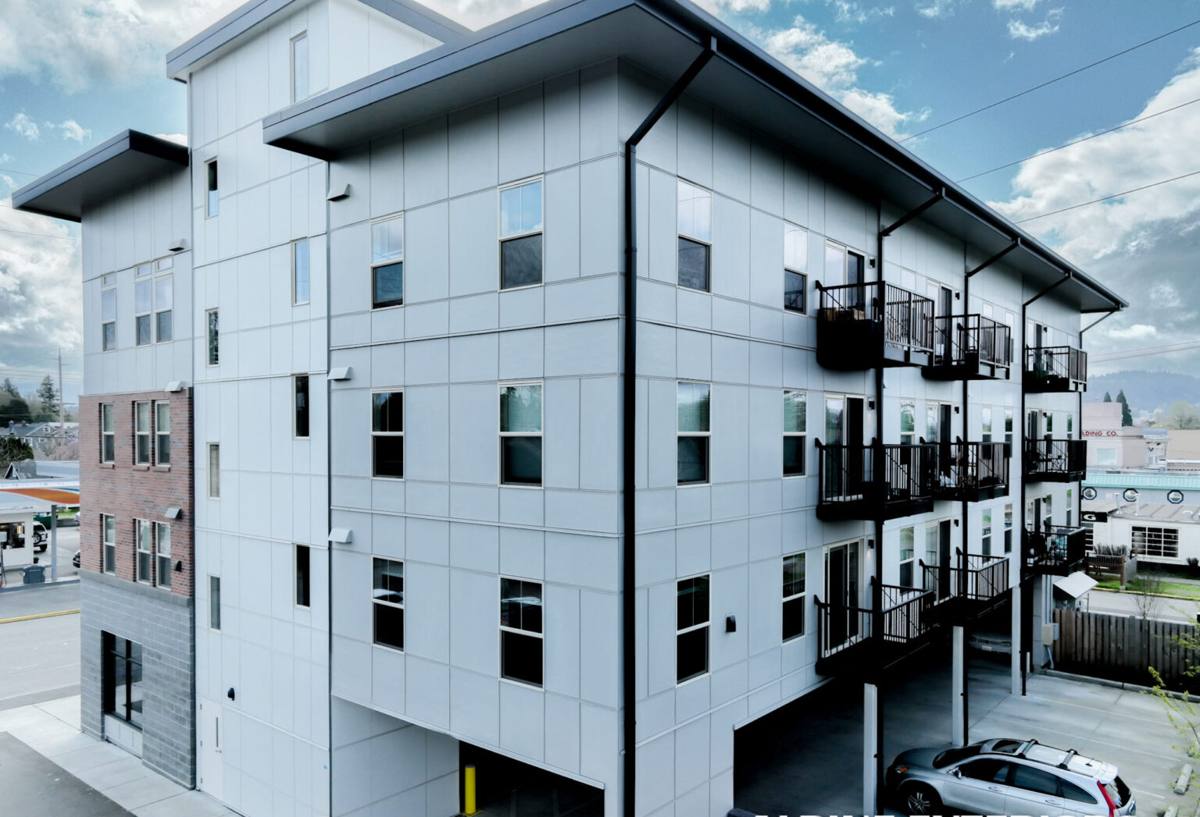
What Palm Harbor Homes Specifically Need From Their Siding
Salt Air and Coastal Moisture
Even homes that aren't waterfront pick up salt in the air, and salt accelerates corrosion on fasteners, trim, and any metal flashing components. Siding materials that swell, wick moisture, or trap water against the wall sheathing age faster here than they would inland. The material itself needs to resist moisture absorption, and everything used to fasten and flash it needs to be rated for a coastal environment, not just a generic one.
Wind-Driven Rain
During tropical storms and heavier summer downpours, rain doesn't just fall — it gets pushed horizontally into walls, seams, and window transitions. Siding that isn't lapped, flashed, and sealed correctly at every penetration will let water behind it, and once water gets behind siding, the damage happens in the sheathing and framing where you can't see it until it's expensive.
Year-Round UV Exposure
Florida sun is relentless on painted and coated surfaces. Paint that isn't factory-cured or isn't UV-stable will chalk, fade unevenly, and need repainting far sooner than a homeowner expects. On a Palm Harbor home, the sun-facing elevations show this wear first and worst.
What a Correct Fiber Cement Installation Actually Involves
Fiber cement siding is only as good as the installation behind it. The material is durable, but manufacturer specifications exist for a reason, and skipping them is where most siding failures start — regardless of what climate a house is in.
Clearances and Ground Contact
Fiber cement siding needs proper clearance from grade, roof lines, decks, and patios so it isn't sitting in standing water or trapped moisture. On Palm Harbor lots with mature landscaping or low-lying grade near the foundation, this often means adjusting details that a production crew in a hurry would skip.
Fastening
Fasteners need to be corrosion-resistant, driven to the correct depth, and spaced to manufacturer pattern — not just "close enough." Overdriven or underdriven nails are one of the most common defects we find when we're called in to look at someone else's siding job, and in a coastal environment, the wrong fastener corrodes and stains the siding face within a few seasons.
Water Management Behind the Siding
A weather-resistive barrier, correctly lapped and taped, along with proper flashing at windows, doors, and any wall penetration, is what actually keeps a Palm Harbor home dry — the siding itself is the second line of defense, not the only one. Housewrap installed upside-down, flashing skipped at a window head, or caulk used in place of real flashing are shortcuts that don't show up as problems until the first serious wind-driven rain event finds them.
Joints, Seams, and Caulking
Butt joints need to be treated correctly — either flashed or sealed per Hardie's specification — and caulk needs to be a quality, paintable, flexible sealant applied at the right joints, not everywhere as a catch-all. Over-caulking is often a sign that flashing details underneath were skipped.
Why We Install Only James Hardie Fiber Cement
We standardized on James Hardie because it's engineered specifically for climates like this one. Hardie's HZ5 product line is formulated for higher-humidity, moisture-prone regions, and the ColorPlus factory finish is baked on and warrantied against fading in a way field-applied paint isn't. We don't install vinyl siding, LP SmartSide, or other fiber cement alternatives — not because there's no legitimate use case for them anywhere, but because for what Gulf Coast Florida homes go through, Hardie's combination of moisture engineering, factory finish, and non-combustible composition is what we're willing to warranty our labor against.
| Factor | James Hardie Fiber Cement | Vinyl Siding | Engineered Wood (e.g., LP SmartSide) |
|---|---|---|---|
| Moisture behavior | Resists moisture absorption; HZ5 line engineered for humid climates | Doesn't absorb moisture but can warp/melt under heat and impact | Wood-based core is vulnerable to swelling if moisture reaches it |
| UV/fade resistance | ColorPlus factory finish warrantied against fading | Color is through-body but can fade and chalk over time | Requires field paint, which fades and needs recoating |
| Fire performance | Non-combustible | Combustible, can melt in fire exposure | Combustible wood-based product |
| Wind/impact durability | Rigid, holds up well to wind-driven debris when installed to spec | Can crack or blow off in high wind if not rated/installed correctly | Reasonably durable but edge-swelling is a known failure point |
| Long-term maintenance | Low — occasional wash, no repainting for the life of ColorPlus finish | Low but limited color/repair options as it ages | Higher — paint maintenance is ongoing |
This table reflects general, well-documented differences between these siding categories — not a claim that any one product is defective. It's simply why our crew standardized on one system and installs it correctly, every time, rather than offering several products at varying quality levels.
Our Process for a Palm Harbor Siding Project
- On-site assessment — we look at your home's current siding condition, wall assembly, moisture history, and any problem areas (window transitions, low clearances, prior water intrusion).
- Tear-off and substrate check — old siding comes off and we inspect the sheathing underneath for rot or water damage before anything new goes up. Problems found here get addressed, not covered.
- Weather-resistive barrier and flashing — housewrap and flashing are installed per code and manufacturer spec at every penetration, lapped correctly for wind-driven rain.
- Hardie panel or plank installation — fastened, spaced, and clearanced to manufacturer specification, with corrosion-resistant fasteners appropriate for a coastal environment.
- Trim, joints, and sealant — finished with the correct trim details and sealant at specified joints only.
- Final walkthrough — we review the finished work with you before calling the job complete.
Permitting and Local Code in Pinellas County
Siding replacement in Pinellas County typically requires a permit, and inspections check that installation meets Florida Building Code wind-resistance and water-management requirements — not just that the siding looks finished. A crew that regularly pulls permits and passes inspections in this county knows what inspectors are actually checking for, which avoids the delays and rework that come from a crew unfamiliar with local requirements.
Why a Crew That Already Works Palm Harbor Matters
Palm Harbor homes vary — some are older with original wall assemblies that need extra attention during tear-off, some sit on lots with unique drainage or grading challenges, and many fall under HOA or deed-restriction guidelines on exterior color and material. A crew that already works this community has already navigated these specifics: what inspectors here look for, how local HOAs typically handle siding-color approval requests, and what these homes commonly need once the old siding comes off. That familiarity translates into fewer surprises and a smoother project for you.
Maintenance After Installation
Correctly installed Hardie siding is low-maintenance, but "low" isn't "none." A little attention keeps it performing for the long haul in this climate:
- Rinse the exterior periodically to remove salt residue and airborne grime, especially on homes closer to the water
- Inspect caulked joints yearly and re-seal any that have cracked or pulled away
- Keep sprinklers and irrigation from spraying directly on siding, which accelerates staining and mineral buildup
- Trim landscaping back so siding gets airflow and isn't held wet against foliage
- After any major storm, walk the exterior and look for cracked panels, loose trim, or gaps at joints
- Watch for soft spots, staining, or bubbling paint near the base of walls — early signs of moisture intrusion behind the siding
Ready for an Honest Look at Your Siding?
If your Palm Harbor home's siding is showing its age, took storm damage, or you're just planning ahead, we're happy to take a look and give you a straight answer — no pressure, no upsell to a product we don't stand behind. Request a free estimate using the form below and we'll walk your home's exterior with you.