 Clearwater Roofing
 Roof Repair for Safety Harbor Homes
Safety Harbor sits along Old Tampa Bay in Pinellas County, and like the rest of the Clearwater area, homes here take a beating from a climate that never really gives a roof a break. Between hurricane-force wind events, near-constant UV exposure, wind-driven rain that finds every weak seam, and the slow corrosive effect of salt air off the bay and the Gulf, roofing materials age faster here than they would inland. A roof repair in Safety Harbor isn't just patching a hole — it's addressing damage caused by a specific set of local conditions, and the fix needs to account for those conditions or the same problem comes back within a year or two.
This page covers what roof repair actually involves for Safety Harbor properties, how we approach the work, and what to look for in a contractor who's going to do it right.
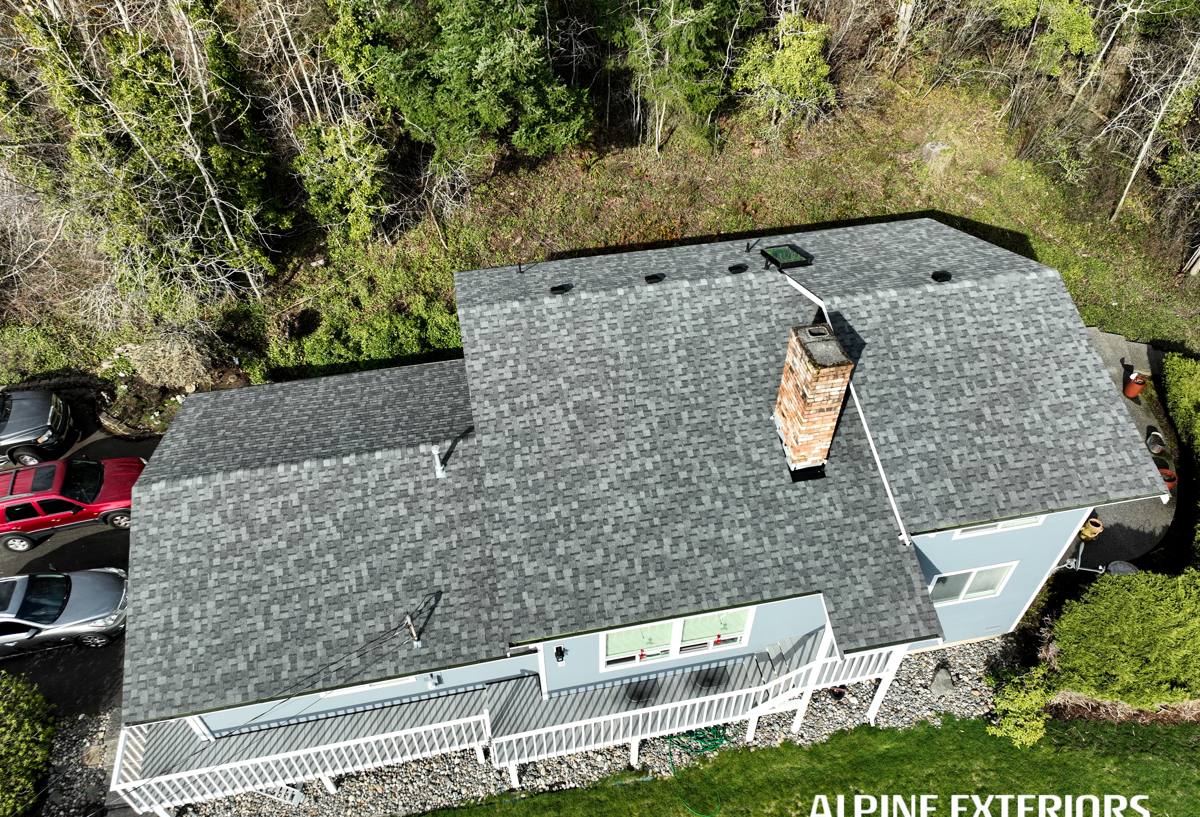
Why Safety Harbor Roofs Need Repairs Sooner Than You'd Expect
Wind and Storm Exposure
Safety Harbor's location on the water means it catches wind off the bay in addition to whatever a tropical system or seasonal thunderstorm brings through. Shingles and tiles that are already loosened by age or a prior storm are the first to fail in the next one. Wind doesn't just rip material off — it gets underneath edges and tabs, working them loose gradually, so damage from one storm often sets up bigger failures in the next.
UV and Heat Cycling
Florida sun breaks down asphalt shingle granules and dries out sealants and flashing cement over time. A roof that looks fine from the ground can have brittle, UV-damaged material that cracks the moment it's stressed by wind or foot traffic. Daily heat cycling — hot afternoons, cooler nights, sudden rain — also stresses roofing materials and fasteners, which loosens things gradually even without a major storm.
Wind-Driven Rain
Straight-down rain rarely causes problems for a roof in good condition. Wind-driven rain is different — it gets pushed sideways and upward under shingle edges, around vents, and through any gap in flashing. Most of the leak calls we get in this area trace back to wind-driven rain finding a small, previously invisible weak point rather than a dramatic hole in the roof.
Salt Air Corrosion
Being close to Old Tampa Bay means metal components — flashing, fasteners, vent boots, gutter hardware — corrode faster than they would further inland. Corroded fasteners back out of the deck, and corroded flashing develops pinhole leaks long before it looks obviously rusted through.
What a Correct Roof Repair Actually Involves
A lot of roof repairs fail because they treat the symptom and not the cause. If a leak shows up on a ceiling, the water's entry point is often several feet away from where it's dripping, following the roof deck or a rafter before it shows itself inside. A repair that just patches the spot where the ceiling stain appeared, without tracing the actual entry point, is a repair that leaks again.
Our Diagnostic Approach
- Inspect the full roof plane, not just the area near the reported leak
- Check flashing around chimneys, vents, skylights, and roof-to-wall transitions — the most common failure points
- Look for wind-lifted or missing shingles/tiles, cracked seals, and exposed fastener heads
- Check the attic or roof deck from underneath where accessible, for water staining, rot, or daylight showing through
- Assess whether the underlayment is still doing its job or has degraded from age and heat
- Confirm the actual water entry point before starting any repair — not just the visible symptom
Matching Materials Correctly
Repairs on an existing roof need to match the current material, profile, and, where possible, color — not just structurally, but so the repaired section weathers at the same rate as the rest of the roof. Mismatched patches are one of the most common signs of a rushed repair, and they can also create new water-shedding problems if the profiles don't line up correctly.
Common Safety Harbor Repair Scenarios
| Issue | Typical Cause | What the Repair Involves |
|---|---|---|
| Ceiling stain or active drip | Wind-driven rain entry through flashing or cracked seal, often away from the stain itself | Trace source, replace damaged flashing/underlayment section, repair deck if needed |
| Missing or lifted shingles after a storm | Wind uplift on aged or previously loosened material | Remove damaged shingles, inspect underlayment beneath, replace with matching material |
| Rusted or failing flashing | Salt air corrosion, age | Replace flashing at chimneys, walls, and valleys with corrosion-resistant material |
| Granule loss / brittle shingles | Long-term UV exposure | Assess remaining service life; targeted repair vs. recommending replacement timeline |
| Soft or sagging deck section | Long-term hidden leak causing wood rot | Remove affected roofing, replace rotted decking, then reroof that section |
Our Repair Process
1. Inspection and Honest Assessment
We start with a full inspection, not a quick look at the spot you're worried about. Part of that assessment is telling you honestly whether what you're looking at is a straightforward repair or a sign the roof is nearing the end of its useful life — patching a roof that has multiple failure points forming isn't a service to a homeowner, even if it's an easier sale.
2. Written Scope Before Work Begins
You get a clear description of what's being repaired, what material will be used, and why — before anyone gets on the roof to do the work.
3. The Repair Itself
We remove damaged material back to sound decking and underlayment, not just far enough to cover the visible damage. Flashing gets replaced rather than caulked over, since caulk and roofing cement are short-term fixes at best in this climate — they dry out and crack under UV exposure within a season or two.
4. Verification
Once the repair is complete, we check the surrounding area for other developing issues while we're already up there. It's more efficient to flag a second small problem during the same visit than to have you call us back in six months for something we could have seen.
Repair vs. Replacement: How to Tell Which You Need
Not every roof problem in Safety Harbor calls for a full replacement, and not every roof problem should be treated as a simple patch. A few honest factors that go into that decision:
- Age of the roof — a roof past the back half of its expected lifespan with a new leak is a different conversation than a five-year-old roof with one storm-damaged section
- Number of failure points — one isolated issue is a repair; multiple unrelated failure points across the roof usually mean the material itself is reaching end of life
- Extent of deck damage — a small area of rotted decking can be replaced during a repair; widespread rot usually means the roofing above it has been failing for a long time
- Material availability — on older roofs, matching discontinued shingle or tile profiles can be difficult, which sometimes tips the decision toward a partial or full reroof
Why Local Experience Matters for This Work
A crew that regularly works Safety Harbor and the broader Clearwater area already understands the flashing details, ventilation setups, and material behavior that show up again and again in this part of Pinellas County. That's different from general familiarity with roofing — it means recognizing, for example, which flashing details tend to fail first in homes exposed to bay-front wind, or how quickly certain materials degrade under this specific combination of UV and salt air. That local pattern recognition shortens the diagnostic phase and reduces the chance of a repair that misses the real cause.
It also matters for accountability. A contractor who works this area consistently has a reputation to maintain with neighbors, not just a one-time transaction with you.
Maintenance That Extends the Life of a Repair
A repair holds up longer with basic upkeep between service visits:
- Clear debris and organic buildup from valleys and around vents, where water tends to pool
- Keep gutters clear so water sheds off the roof edge properly instead of backing up under shingles
- Trim back tree limbs that can drop debris or rub against roofing material in wind
- Have the roof checked after any major wind event, even if nothing looks obviously wrong from the ground
- Address small issues — a lifted shingle corner, a hairline crack in flashing sealant — before the next storm season rather than after
Get an Honest Look at Your Roof
If you're dealing with a leak, storm damage, or just want a second opinion on something you noticed after the last round of wind, we're glad to take a look. We'll give you a straight answer about what's actually going on and what it will take to fix it — no pressure, no upsell. Use the form below to request a free estimate for your Safety Harbor property.