 Clearwater Roofing
 Siding Built for Safety Harbor's Climate, Not Just Its Look
Safety Harbor sits along Old Tampa Bay, which means homes here deal with a specific combination of conditions: salt-laden air moving off the water, long stretches of intense subtropical UV, wind-driven rain during summer storms, and the occasional direct hit from hurricane-force wind. Siding that looks fine in a showroom photo can fail quickly under that combination if it wasn't engineered for it, or if it wasn't installed correctly. This page covers what siding installation actually requires for homes in and around Safety Harbor, and why we install one product system rather than offering a menu of options.
We are a Clearwater-based roofing and exterior contractor, and Safety Harbor is inside our regular service area. That matters more than it sounds like it should — a crew that works this specific stretch of Pinellas County regularly develops a feel for how local homes age, which sides of a house take the worst weathering, and which installation shortcuts cause problems five years down the road instead of five months.
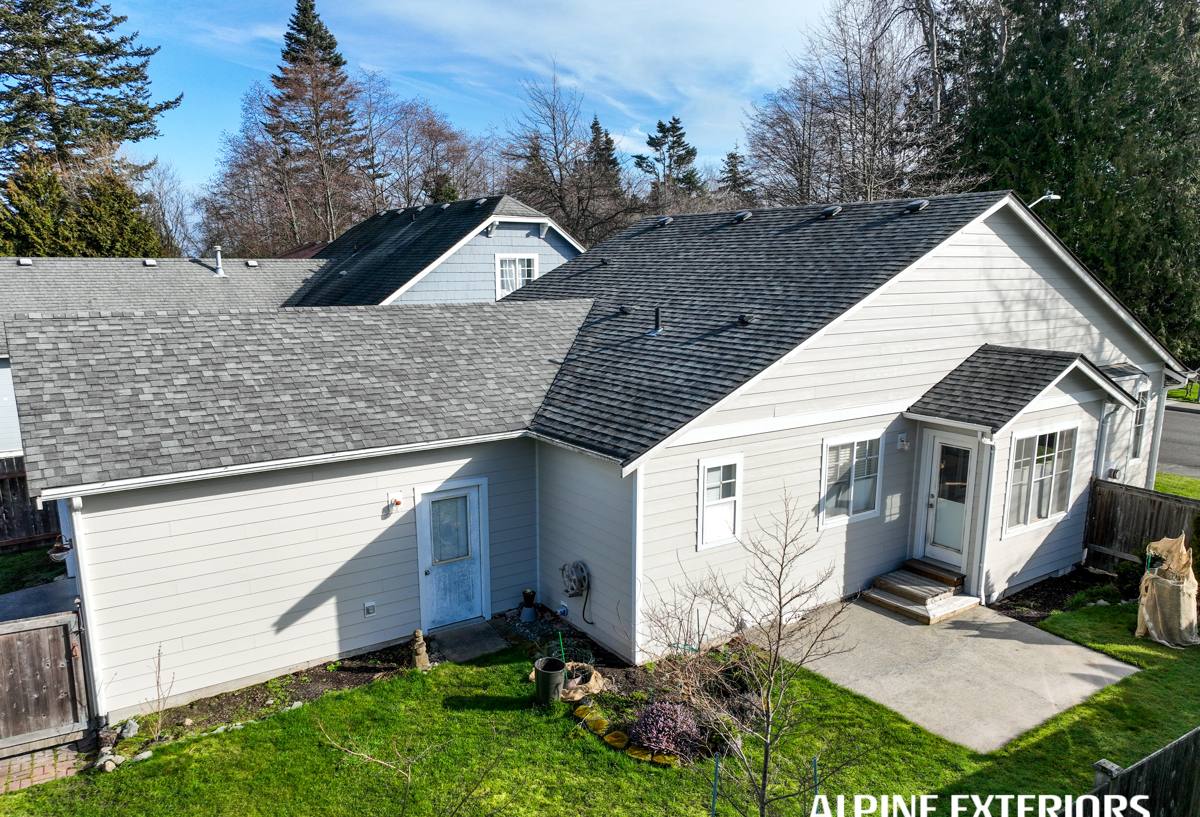
What Local Homes Actually Need From Their Siding
Three climate factors drive almost every siding decision we make on a Safety Harbor job:
- Moisture management. Wind-driven rain doesn't fall straight down — it gets pushed sideways into wall assemblies, especially on west- and southwest-facing elevations. Siding and the water-resistive barrier behind it have to work together to keep that moisture out of the wall cavity.
- UV and heat exposure. Central Florida sun is relentless year-round, not seasonal. Paint finishes that hold up fine in milder climates can chalk, fade, or peel here well ahead of schedule.
- Salt air corrosion and swelling. Proximity to the bay means airborne salt reaches exterior materials even a few miles inland. Materials that absorb moisture are prone to swelling, cupping, and accelerated decay in this environment.
Any siding installed in Safety Harbor should be evaluated against all three of these, not just against upfront price or appearance.
Why We Install Only James Hardie Fiber Cement
We do not install vinyl, LP SmartSide, primed wood, or other fiber cement brands. This is a deliberate standard, not a supply limitation. James Hardie's fiber cement is non-combustible, dimensionally stable in humidity swings, and manufactured in HardieZone formulations engineered specifically for hot, humid, storm-prone regions like ours — the HZ5 line is built for exactly the climate Safety Harbor sits in. The ColorPlus factory-applied finish is baked on under controlled conditions, which gives it more consistent UV and fade resistance than field-applied paint, and it carries a stronger, transferable limited warranty than most alternatives on the market.
That doesn't mean other products are without merit. Vinyl is inexpensive and low-maintenance in mild climates. Engineered wood products can look attractive at a lower installed cost. But under Safety Harbor's specific combination of heat, humidity, salt air, and wind-driven rain, those trade-offs show up faster than they would somewhere milder — and we'd rather install one product correctly, backed by a warranty we trust, than install several products with compromises we'd have to explain to a homeowner in a few years.
What James Hardie Fiber Cement Is Made Of
Fiber cement is a blend of Portland cement, sand, and cellulose fiber, cured into rigid boards and panels. It doesn't rot the way wood-based products can, it doesn't support combustion, and it holds paint and factory finishes far longer than wood substrates because it doesn't expand and contract with moisture the same way. It's heavier than vinyl and requires different fastening and cutting techniques, which is part of why installation quality matters so much with this product.
What Correct Installation Actually Involves
Fiber cement siding is only as good as its installation. Most siding failures we see on inspection trace back to installation shortcuts, not the material itself. A correct install includes:
- Proper water-resistive barrier and flashing details at every window, door, and penetration — the layer behind the siding matters as much as the siding itself.
- Correct fastener type, spacing, and placement per manufacturer specification, not generic nail-gun defaults.
- Manufacturer-specified clearances at the ground, roofline, and any horizontal trim to prevent moisture wicking.
- Proper joint treatment and caulking at butt joints and inside/outside corners.
- Correct blade and cutting method to control silica dust and avoid damaging factory finish edges.
- Field-touch-up of cut edges with manufacturer-approved product to maintain the warranty and weather seal.
Skipping any one of these doesn't usually cause an immediate problem — it causes a problem in year three or four, after the first few storm seasons have worked moisture into a gap that should have been sealed. That's part of why we don't treat siding installation as a quick trade-labor job.
Our Safety Harbor Installation Process
1. On-Site Assessment
We walk the exterior, check the current siding or sheathing condition, look at drainage patterns around the foundation, and note anything — old moisture damage, prior patch jobs, roofline transitions — that will affect the install plan.
2. Product and Profile Selection
We go over James Hardie's lockup profiles — lap siding, board-and-batten, shingle-style panels, and trim — and help match a look to the home's style and the neighborhood's character, along with a ColorPlus finish that fits.
3. Tear-Off and Substrate Check
Old siding comes off and the sheathing underneath gets inspected. Any water-damaged sheathing gets addressed before new siding goes on — covering damaged substrate with new siding just hides the problem.
4. Water-Resistive Barrier and Flashing
A new weather barrier goes on with correctly lapped and sealed flashing at every window, door, and penetration point, since this layer does most of the real work keeping wind-driven rain out of the wall.
5. Installation to Manufacturer Spec
Siding goes up following James Hardie's published installation guidelines for fastening, clearances, and joint treatment — the same standard that keeps the warranty valid.
6. Trim, Caulking, and Finish Touch-Up
Trim work, corner details, and caulking get finished, and any cut edges are sealed with approved touch-up product.
7. Final Walkthrough
We walk the finished job with the homeowner, point out warranty details, and cover basic care going forward.
Siding Options Compared
| Factor | James Hardie Fiber Cement | Vinyl | Engineered Wood (e.g. LP SmartSide) |
|---|---|---|---|
| Combustibility | Non-combustible | Combustible, can warp near heat | Combustible |
| Moisture/swelling risk in humid coastal air | Low — cement-based, dimensionally stable | Low, but can warp/buckle in heat | Higher — wood-fiber core sensitive to moisture intrusion at cut edges and joints |
| UV/fade resistance | Strong (ColorPlus factory finish) | Moderate — can fade or chalk over time | Depends on field-applied paint upkeep |
| Wind/impact rating in storm-prone areas | High when installed to spec | Moderate, prone to cracking in high wind debris impact | Moderate |
| Maintenance | Low — repaint cycle is long | Low, but replacement pieces can be hard to color-match later | Moderate — edge sealing and repainting needed over time |
| Warranty structure | Strong, transferable limited warranty | Varies widely by manufacturer | Varies, often shorter on finish |
This table reflects general product characteristics, not guarantees — actual performance always depends on installation quality and ongoing maintenance.
Choosing a Profile and Color for a Safety Harbor Home
Safety Harbor has a mix of home styles — older bungalows near the downtown waterfront area, mid-century ranch homes, and newer construction further out. Lap siding profiles read as traditional and suit most of the older housing stock, while board-and-batten or mixed panel-and-trim combinations work well on more contemporary builds. On color, lighter ColorPlus tones tend to show heat and glare less on west-facing walls that take the brunt of afternoon sun, while darker tones need to be considered against how much direct exposure that elevation actually gets. There's no universal right answer — it's worth walking the specific lot and orientation before deciding.
Signs Your Current Siding Is Due for Replacement
- Soft spots, visible warping, or delamination, especially near the ground or under windows
- Persistent peeling or bubbling paint that keeps coming back after repainting
- Visible gaps at joints, corners, or trim that weren't there originally
- Staining or discoloration patterns that suggest water tracking behind the siding
- Increased pest activity along the base of exterior walls
- Rising energy bills that can't be explained by HVAC issues, which can point to a compromised building envelope
Any one of these on its own isn't necessarily an emergency, but a combination of two or three is a reasonable trigger to get an inspection before the next storm season.
Questions Worth Asking Any Siding Contractor
- Are you a factory-certified installer for the specific product you're proposing?
- What water-resistive barrier and flashing details do you use, and can you explain why?
- What does your warranty cover, and is it transferable if the home sells?
- Can you walk me through your fastening and clearance specs for this product?
- Do you carry current general liability and workers' compensation coverage?
- Will the same crew that quotes the job be the crew doing the install?
Why a Crew That Already Works Safety Harbor Matters
Siding installation quality shows up in details a homeowner usually can't verify by eye — flashing laps, fastener spacing, clearance gaps. A crew that regularly works Pinellas County homes has already seen how those details play out over multiple storm seasons on houses just like the one being quoted. We're not traveling in from another region to do one job and move on; Safety Harbor and the surrounding Clearwater area are part of our regular service footprint, and we're reachable if a question comes up after the job is done.
If you're considering new siding for a Safety Harbor home, we're happy to walk the exterior, look at what's there now, and give you a straight assessment of what it needs — no pressure, no obligation. The form below gets you a free estimate.