 Clearwater Roofing
 Window Replacement in Safety Harbor: Built for Pinellas County's Coastal Climate
Safety Harbor is one of the older, established communities on the Pinellas County side of Tampa Bay, and that shows in the windows we get called out to look at. A lot of homes here were built decades ago with single-pane aluminum-frame windows that were standard for their era, and even homes that already went through one round of replacement are often due for another if that work was done years back with builder-grade units. Add in a climate that doesn't give windows much of a break — hurricane-force wind events, sun that beats down on glass and frames essentially year-round, wind-driven rain that finds its way into any weak seam, and salt-tinged air moving in off the bay — and it's easy to see why window performance here degrades faster than it would in a milder climate.
We do window replacement work for Safety Harbor and the surrounding Clearwater area regularly, and our approach treats the installation detail — flashing, sealing, anchoring — as equally important to the window unit itself. A quality window installed with a rushed or generic installation will still let water and air in eventually. A solid window installed correctly for this specific climate holds up far longer, and that's the standard we hold every job to.
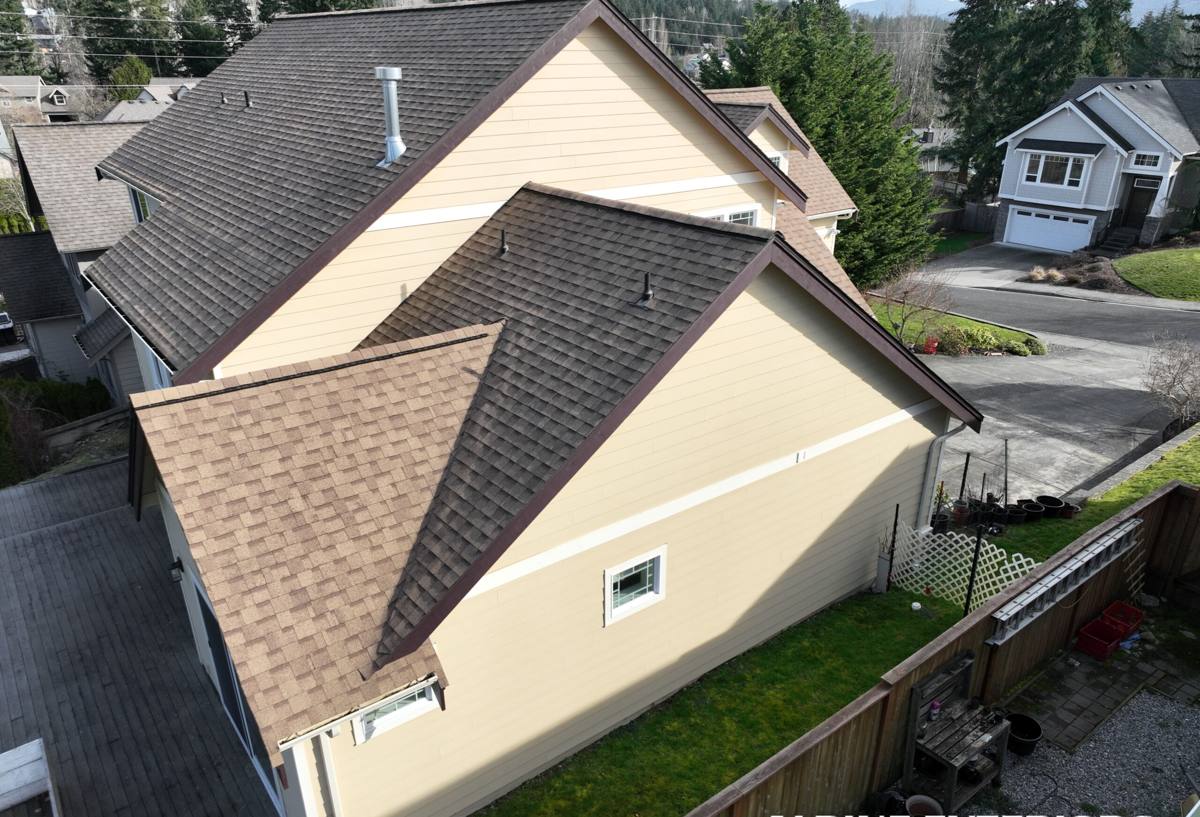
What This Climate Does to Windows Over Time
Hurricane-Force Wind Loads
Pinellas County sits squarely in a wind-borne debris region, and Safety Harbor's proximity to open water means homes here take real pressure loads during storm season. Older windows, especially original single-pane aluminum units, were never engineered for current wind-load standards. Even a window that looks intact can be structurally under-rated for what a modern storm can throw at it, which is a code issue as much as a comfort one.
Wind-Driven Rain
Florida storms rarely drop rain straight down. Wind pushes it sideways into wall assemblies, and that's exactly where an aging window's weak points get tested — a worn seal, a flashing detail that was never installed correctly, a frame that's shifted slightly out of square over the years. Once water gets behind a window and into the wall framing, the damage is often worse than what's visible from inside the house.
Year-Round UV Exposure
Unlike climates with a real winter break, Safety Harbor gets strong, direct sun essentially every month of the year. That constant UV load breaks down lower-grade vinyl, weatherstripping, and sealants faster than in a more moderate climate — showing up as brittle gaskets, yellowed or warped frames, and seals that fail years ahead of schedule. It's a slow process, but it never really stops.
Salt Air and Hardware Corrosion
Homes anywhere near Tampa Bay deal with salt-influenced air whether or not they're directly waterfront. Over time it works on window hardware, fasteners, and screen frames — standard-grade metal components pit and stiffen noticeably faster here than they would inland. It's a constant, low-level process rather than a storm-driven one, and it's one of the more common reasons an otherwise functional-looking window starts sticking or won't lock properly.
Signs a Safety Harbor Home Needs Window Replacement
- Fogging or visible moisture trapped between the panes of a double-pane window
- Frames that feel warm to the touch or noticeable drafts near the window even when fully closed
- Aluminum frames showing pitting, chalking, or corrosion around the hardware and hinges
- Windows that are hard to open, close, or lock the way they used to
- Visible gaps or daylight where the frame meets the surrounding wall or stucco
- Sills or trim that feel soft, stained, or show signs of past water intrusion
- Single-pane glass with no impact rating, especially on street-facing or storm-exposed walls
Repair vs. Replace: How We Make the Call
Not every window on a Safety Harbor home needs to come out. A window with a failed seal but a sound frame and working hardware can sometimes be repaired or reglazed. A window with corroded framing, chronic leaks, or hardware that's been failing for years usually isn't worth continuing to patch — at that point the ongoing repair cost, plus the storm and energy risk of keeping an under-performing window, adds up to more than a proper replacement would.
| Condition | Repair Often Makes Sense | Replacement Usually Makes Sense |
|---|---|---|
| Fogged glass, sound frame and hardware | Yes — reglaze or seal replacement | Only if the frame is also compromised |
| Stiff hardware or worn weatherstripping | Yes — hardware or seal replacement | Not on its own |
| Corroded or pitted aluminum framing | Rarely a lasting fix | Yes |
| Single-pane, non-impact-rated glass | Storm shutters as a stopgap | Yes, for real wind and energy performance |
| Recurring leaks despite past sealing | Sometimes, if flashing is the true cause | Yes, if the unit or opening itself is the source |
What a Correct Window Replacement Job Involves
Impact Rating and Florida Building Code
Pinellas County's wind-borne debris requirements set the minimum impact rating a replacement window has to meet, and that requirement varies by wind exposure and how the opening is protected. We confirm what your specific home requires rather than assuming one rating fits every wall — a code-compliant install matters both for safety and because it can affect how a future insurance claim or inspection gets treated.
Flashing and Weatherproofing
This is the step that determines whether a window actually stays dry through hurricane season. Flashing has to lap correctly with the surrounding wall material and direct water outward, not let it pool or work its way behind the frame. Caulk has a role, but it's a supplement to proper flashing, not a substitute for it — caulk alone cracks and breaks down under sustained sun and moisture cycling, and we don't rely on it as the only barrier.
Anchoring and Structural Attachment
A window rated for hurricane-force wind loads only performs that way if it's anchored correctly into sound framing. On older Safety Harbor homes, removing the old window sometimes reveals framing or substrate that needs attention before the new unit goes in — we handle that as part of the job rather than treating it as a surprise change order once work is already underway.
Choosing the Right Frame and Glass for This Climate
Frame material and glass package matter more here than in a milder climate, since every window is dealing with sustained UV, salt air, and periodic storm loads at the same time. We install vinyl and fiberglass frame systems suited to this environment and walk homeowners through the real trade-offs rather than pushing one product as the only right answer.
- Frame material: Vinyl and fiberglass both resist the corrosion that affects aluminum in salt air, and neither requires the repainting or moisture upkeep that a wood exterior finish does.
- Impact-rated glass: Laminated impact glass provides year-round wind and debris protection built into the window itself, with no action required before a storm.
- Low-E coatings: A quality low-E glazing package cuts down on solar heat gain, which matters for both comfort and cooling costs given how much direct sun this area gets.
- Hardware grade: Corrosion-resistant hardware holds up longer against salt-influenced air than standard-grade fasteners and hinges.
Impact glass and storm shutters can both meet Florida's wind-borne debris code, but they work differently day to day. Impact glass is part of the window and protects the home continuously, including from everyday UV and wind stress the rest of the year. Shutters can satisfy code too, but only if someone actually deploys them before a storm arrives, and they don't do anything for the window's daily performance otherwise.
What Affects the Cost of a Window Replacement Project
| Factor | Why It Changes the Price |
|---|---|
| Number of openings | A full-home replacement generally has better per-unit pricing than one or two isolated windows |
| Impact rating required | Wind exposure and elevation on your specific home determine what rating is needed, which affects unit cost |
| Opening condition | Rot, prior water damage, or out-of-square framing adds repair work before a new unit can go in |
| Frame material | Vinyl, fiberglass, and other materials carry different upfront costs and different long-term maintenance needs |
| Size and configuration | Oversized, custom-shaped, or non-standard openings cost more to source and install than standard sizes |
Our Process, Start to Finish
- On-site assessment — we inspect each window's frame condition, seal integrity, and hardware, and evaluate the wind exposure of that specific wall
- Honest recommendation — a straightforward read on which windows are reasonable repair candidates and which should be replaced, with the reasoning explained
- Written scope and impact rating — a clear plan covering what rating each opening needs to meet Pinellas County code requirements
- Ordering — a realistic lead time, since impact-rated units are often built to order rather than pulled from stock
- Removal and opening prep — the old unit comes out carefully, with any hidden framing or flashing issues addressed before the new window goes in
- Installation, anchoring, and flashing — the new unit is set, anchored for its wind rating, and weatherproofed to standard practice on every job, not as an upgrade
Why a Local Clearwater-Area Crew Makes the Difference
Manufacturer installation instructions are written for average conditions, and Safety Harbor's mix of older housing stock and bay-adjacent exposure isn't always average. A crew that works this part of Pinellas County regularly already knows how a specific wall orientation, wall type, or opening age tends to perform over time — how much lap a flashing detail needs on a given wall type, which anchoring pattern actually holds up to real storm loads rather than just the code minimum, and where salt air tends to attack hardware first on homes this close to the water. Those are judgment calls made on site, not something a spec sheet decides for you.
Working this area consistently also means fewer surprises on permitting and inspection timelines specific to Pinellas County, and a realistic sense of how long an impact-rated order actually takes to arrive before the installation itself can even be scheduled.
If your Safety Harbor home has windows that are fogging, sticking, showing corrosion, or simply predate current wind and impact standards, it's worth having someone take an honest look before storm season catches you off guard. We offer free, no-pressure estimates for window replacement in Safety Harbor and the surrounding Clearwater area — use the form below to get a time on the schedule.