 Clearwater Roofing
 Why Seminole Roofs Wear Out Faster Than the National Average
Seminole sits close enough to the Gulf that homes here deal with a combination of stresses most of the country never sees at the same time: salt-laden air, near-constant UV exposure, wind-driven rain, and the real possibility of hurricane-force gusts during storm season. Any one of those factors will age a roof. Together, they shorten the usable life of a poorly built or poorly matched roofing system by years compared to the same product installed somewhere inland and dry.
That's the starting point for how we approach a new roof installation in this neighborhood. We're not just covering a house — we're building an assembly that has to survive salt corrosion on fasteners and flashing, UV breakdown of shingle mat and sealants, and wind uplift forces that Pinellas County's building code takes very seriously for good reason. A roof designed for a milder climate, installed the same way it would be in Ohio or Georgia, is not going to hold up the same way here.
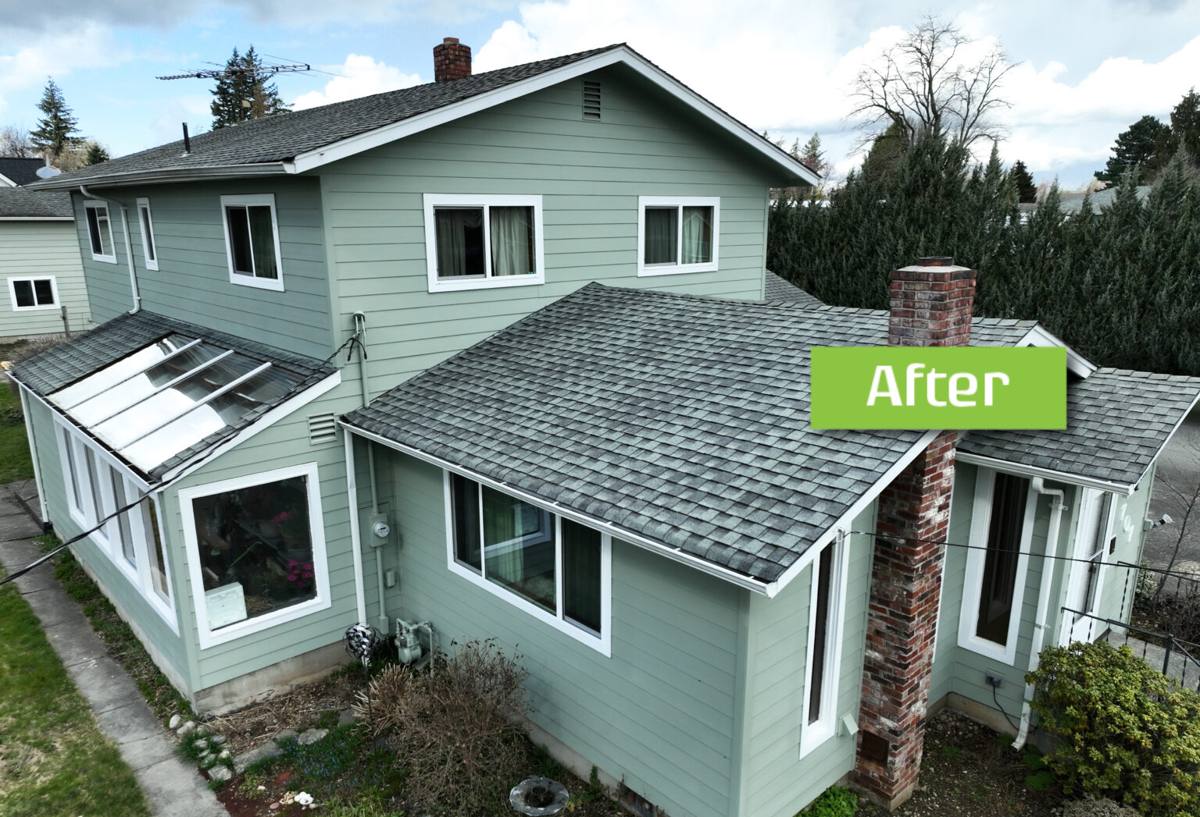
What "Correct" Actually Means for a New Roof Installation
A new roof is more than shingles or metal panels laid over the old surface. Every component in the system has a job, and skipping or shortcutting any one of them is where premature failures come from — leaks, blow-offs, deck rot, and warranty claims that get denied because the installation didn't meet manufacturer or code requirements.
The Core Components
- Full tear-off to bare deck — we don't install a second layer over old roofing on any job we stand behind, because it traps moisture and voids most manufacturer warranties.
- Deck inspection and repair — soft, delaminated, or water-damaged plywood or OSB gets replaced before anything new goes down. Fastening new shingles or panels over a compromised deck is a guaranteed future problem.
- Underlayment rated for our climate, installed as a continuous secondary water barrier — not just a formality, but the layer that actually keeps a house dry if wind-driven rain gets under the primary roofing material.
- Flashing at every valley, wall intersection, chimney, skylight, and penetration, formed and sealed correctly rather than relying on caulk to make up for a poor fit.
- Fastening pattern that meets or exceeds Florida Building Code wind-uplift requirements for our wind zone — this is where a lot of shortcuts happen because it's invisible once the roof is finished.
- Ventilation that lets the attic breathe, which protects both the roof deck from underneath and the shingles from overheating.
Get any of these wrong and the roof may look fine for a year or two before problems show up — usually after the labor warranty on a rushed job has expired.
Materials We Install and How They Perform Locally
There's no single "best" roofing material for every Seminole home — it depends on the roof's slope, the home's structure, your budget, and how long you want to go before doing this again. Here's how the common options compare for this specific climate.
| Material | Typical Lifespan Here | Wind Performance | Maintenance Notes |
|---|---|---|---|
| Architectural asphalt shingle | 15–25 years | Good, when rated and fastened for local wind zone | Periodic inspection for granule loss and sealant strip integrity after big storms |
| Standing seam metal | 30–50 years | Excellent when properly fastened and detailed | Low; watch for fastener and sealant condition at penetrations over time |
| Tile (concrete or clay) | 30–50+ years | Good, but individual tiles can crack or dislodge in high wind and need prompt repair | Underlayment beneath tile typically needs replacement before the tile itself does |
| 3-tab asphalt shingle | 10–15 years | Lower wind rating than architectural shingles | Shorter service life in coastal wind and UV exposure; we rarely recommend it here |
We install fasteners, flashing, and accessories rated for coastal/high-wind service on every material we put on a Seminole roof, regardless of which product you choose. Cutting corners on hardware to save a small amount on a job like this is the single most common cause of early failure we see when we're called out to inspect someone else's work.
How Our Installation Process Works
Homeowners rarely get a plain explanation of what actually happens during a roof replacement, so here's the sequence, start to finish.
- On-site inspection and estimate. We walk the roof, check the attic where accessible, note slope, penetrations, and any existing damage, and give you a written estimate with the materials and scope spelled out.
- Permitting. New roof installations in Pinellas County require a permit and inspection. We handle the paperwork and schedule the required inspections so you don't have to chase it down yourself.
- Material delivery and site protection. Landscaping, pool areas, and driveways get covered or protected before tear-off begins.
- Tear-off. Old roofing is stripped to the deck and hauled off the same day whenever possible, so your home isn't left exposed overnight.
- Deck inspection and repair. Any damaged sheathing is documented and replaced before we move forward.
- Underlayment and flashing installation. The secondary water barrier and all flashing details go in next, since these are what actually keep water out if the top layer is ever compromised.
- Primary roofing material installation, fastened to meet Florida Building Code wind-uplift requirements for our zone.
- Ventilation components installed or upgraded as needed.
- Final cleanup and magnetic nail sweep, then a walkthrough with you before we consider the job done.
- Final inspection by the county, and your permit closed out.
Wind, Code, and Permitting: What Pinellas County Requires
Florida Building Code wind provisions exist because this part of the state gets tested by real storms, not hypothetical ones. New roof installations in Pinellas County have to meet specific wind-uplift and fastening standards tied to our wind zone, and the work has to pass inspection before the permit closes. This isn't bureaucratic overhead — it's the difference between a roof that stays attached in a bad storm and one that doesn't.
Skipping the permit, or having unpermitted work done, can also cause real problems later: at resale, with insurance claims, and with code enforcement. Any contractor offering to "save you the permit hassle" on a full roof replacement is offering to cut a corner that protects you, not one that protects them.
Ventilation and Moisture: The Part That's Easy to Miss
An attic that doesn't breathe properly traps heat and humidity, both of which are hard on a roof from underneath — even a well-installed one. In Clearwater's climate, poor ventilation can lead to accelerated shingle aging from trapped heat, and moisture buildup that promotes deck rot and mold, neither of which is visible from the ground. Correct ventilation balances intake (usually soffit vents) with exhaust (ridge or other roof vents) so air actually moves through the attic space instead of stagnating. We evaluate and address ventilation as part of every new roof installation, not as an upsell.
What Drives the Cost of a New Roof in Seminole
Every home is different, so we don't quote sight-unseen prices — but these are the factors that actually move the number, in rough order of impact.
| Factor | Why It Matters |
|---|---|
| Roof size and complexity | More valleys, hips, dormers, and penetrations mean more labor and flashing work |
| Material choice | Asphalt shingle, metal, and tile carry different material and installation costs and different lifespans |
| Deck condition | Rotted or damaged sheathing found during tear-off adds repair cost, but skipping it isn't an option |
| Roof pitch and access | Steep or hard-to-access roofs take longer and require more safety equipment |
| Ventilation upgrades | Adding or correcting intake/exhaust ventilation is a modest add-on with a real payoff in roof longevity |
| Layers to remove | A roof with an existing second layer takes longer to tear off than a single-layer roof |
We give you an itemized written estimate before any work starts, so you know exactly what you're paying for and why — not a lump-sum number with no breakdown.
Signs a Seminole Roof Needs Replacing, Not Patching
Not every roof problem calls for full replacement — but these are signs that a repair is likely just delaying the inevitable, particularly on a roof that's already well into its expected lifespan.
- Granule loss heavy enough that shingles look patchy or bald in sun-exposed areas
- Curling, cracking, or cupping shingles across multiple sections of the roof
- Soft spots or visible sagging when walked or viewed from the attic
- Recurring leaks in different locations after repairs
- Visible daylight through the roof deck from inside the attic
- Missing or lifted shingles after every significant storm, not just the worst ones
- The roof is at or past its material's expected service life for our climate
If you're only seeing one or two of these and the roof is relatively young, a repair may be the honest answer — we'll tell you that instead of pushing a replacement you don't need yet.
Why a Crew That Already Works Seminole Matters
A roofing crew that regularly works this specific area already knows the local permitting process, the wind-zone requirements that apply here, and the failure patterns that show up on Seminole and greater Clearwater roofs — because we've seen them, not because we've read about them. That familiarity shows up in fewer surprises during the job: knowing which inspectors to schedule with, understanding how salt air affects fastener choice, and recognizing early signs of the deck damage that's common on older homes in this area before they become bigger problems mid-tear-off.
It also means someone local is accountable after the job is done. If a question comes up about your new roof six months or six years from now, you're calling a company that's still working in your neighborhood, not chasing down an out-of-town crew that moved on to the next region.
Get a Free, No-Pressure Estimate
If your Seminole home needs a new roof — or you're not sure whether it needs a repair or a full replacement — we'll come take a look, give you an honest assessment, and put together a written estimate with no pressure to decide on the spot. Use the form below to get started.