 Clearwater Roofing
 Storm Damage Roof Repair for Seminole Homes
Seminole sits in the middle of Pinellas County, close enough to the Gulf that every named storm, every summer squall line, and every winter cold front pushes wind and rain across its rooftops. Most of the time a roof shrugs that off. But storm damage doesn't always announce itself with missing shingles scattered across the lawn. More often it shows up as a handful of lifted tabs, a bruised patch of shingle mat, or a seam that let water in during one bad afternoon and has been drying out and re-wetting ever since. Our job is to find that kind of damage before it becomes a bigger problem, repair it correctly, and leave the roof able to handle the next storm the same way it handled this one.
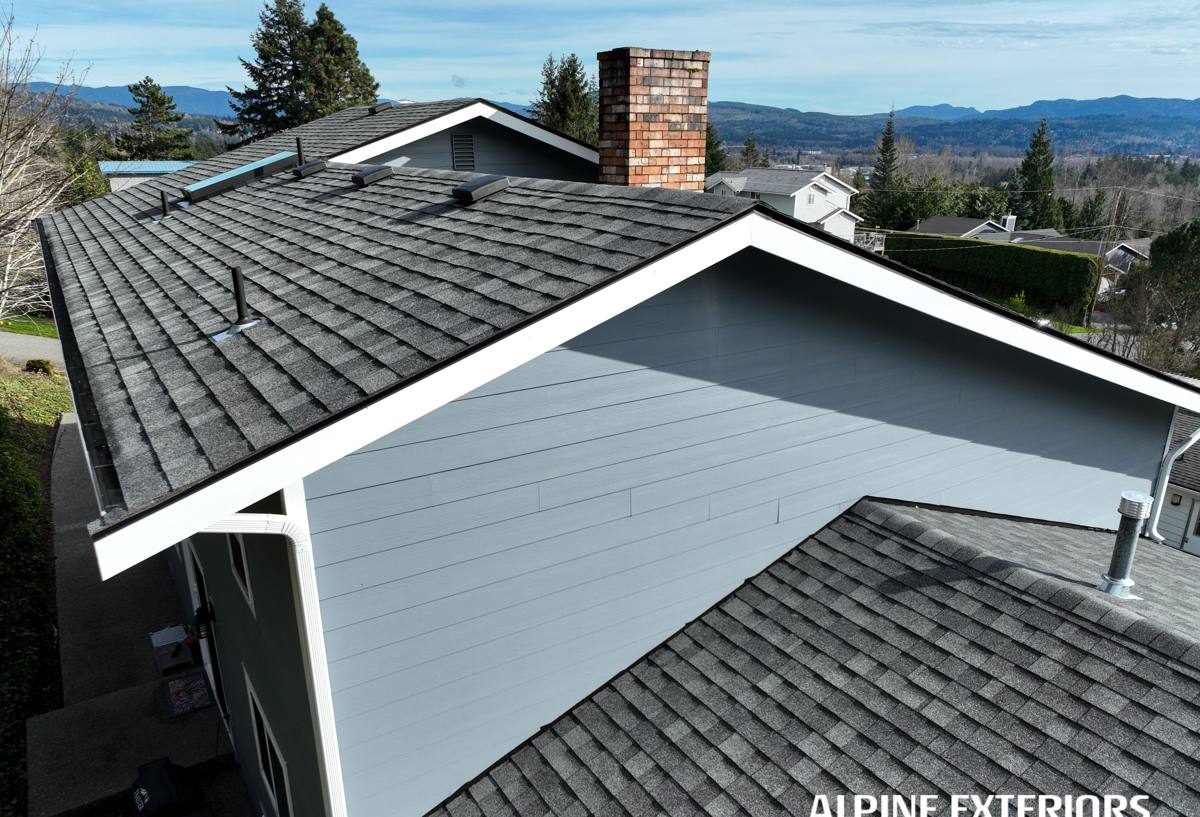
Why Seminole Roofs Take a Beating
Pinellas County homes deal with a combination of stresses that inland Florida doesn't see in the same intensity. Understanding what's actually working against a Seminole roof helps explain why storm repairs need to be done a specific way, not just patched and hoped over.
Wind
Tropical systems and even ordinary summer thunderstorms in this part of Florida regularly produce gusts strong enough to work shingle tabs loose, lift ridge cap, and peel back flashing at edges and penetrations. Wind doesn't need to be hurricane-force to do damage — it just needs to find one weak spot and keep working it every time it blows.
Wind-driven rain
Rain that falls straight down is rarely the problem. Rain that's being pushed sideways at 40-60 mph finds its way under shingle edges, around vent boots, and through any gap in flashing that a calm-weather rain would never reach. This is why a roof can pass a casual inspection and still leak during the next squall — the entry point only opens up under wind pressure.
Year-round UV exposure
Florida's sun ages asphalt shingles faster than almost anywhere else in the country. UV exposure dries out the asphalt and makes shingles more brittle, which means a roof that's already a decade or more old is more likely to crack, tear, or lose granules when wind and hail hit it, rather than flexing the way a newer roof would.
Salt air
Even homes that aren't directly on the water get some benefit — or cost — from the Gulf's salt air. Salt accelerates corrosion on exposed metal: nail heads, flashing, vent stacks, and gutter hardware. Corroded fasteners and flashing are a common hidden cause of storm-related leaks, because the metal was already weakened before the storm ever arrived.
What Counts as Storm Damage
Homeowners often picture storm damage as a roof with a hole in it. In practice, most storm damage we find in Seminole falls into a few categories:
- Wind uplift — shingles lifted, creased, or torn loose along the tab edge, often on the roof's windward slopes
- Granule loss and bruising — impact from hail or wind-blown debris that dents the shingle mat without fully puncturing it, weakening it long-term
- Flashing displacement — metal at valleys, chimneys, walls, and skylights bent, loosened, or pulled away from its seal
- Torn or missing ridge cap — the cap shingles along the roof's peak are the most wind-exposed piece of the whole system
- Vent boot and penetration failure — rubber or plastic collars around pipes and vents cracked or torn loose by wind movement
- Debris impact — tree limbs, loose gutters, or blown objects striking the roof deck directly
Some of this is obvious from the ground. Much of it isn't, which is why a proper storm damage inspection means getting on the roof, not just looking up at it from the driveway.
Signs Your Seminole Home May Have Storm Damage
If your home has been through a recent storm, or even just an unusually windy stretch of weather, these are worth checking for:
- Shingle granules collecting in gutters or at downspout outlets
- Shingles that look curled, creased, or slightly out of alignment with their neighbors
- A new water stain on a ceiling or in an attic, especially after a specific storm
- Visible daylight or gaps around a vent pipe, skylight, or chimney from the attic
- Metal flashing that looks bent, lifted, or separated from the roofline
- Missing or displaced ridge cap along the peak of the roof
- Soft or spongy spots when walking the roof deck (a sign water has already gotten into the plywood)
Any one of these on its own might not mean much. Several together, especially after a storm, are worth a professional look before the next round of wind-driven rain finds the same weak spot again.
What a Correct Storm Damage Repair Involves
A storm repair that actually holds up isn't just about swapping out the shingles that are visibly missing. It has to account for what the storm did to the roof system as a whole.
1. Deck inspection, not just surface inspection
Wherever shingles were torn away or water intruded, we check the plywood decking underneath. Wet or soft decking has to be replaced before new shingles go down — nailing new shingles over damaged plywood just hides a problem that will resurface as a soft spot or a leak later.
2. Matching, not just patching
Shingle color and profile change with age and sun exposure, so a patch using brand-new shingles on a ten-year-old roof will stand out and, more importantly, may not seal the same way against the surrounding, weathered material. We aim for the closest reasonable match and place repairs where they'll perform correctly, not just where they'll look acceptable.
3. Flashing gets the same attention as shingles
A huge share of storm-related leaks trace back to flashing, not shingles. Repairs that only replace shingles and leave bent or corroded flashing in place tend to leak again in the next storm, sometimes worse than before.
4. Proper fastening for wind resistance
Nail placement and nail count matter more in a wind-exposed area like Pinellas County than in most parts of the country. Correct nailing pattern, following the shingle manufacturer's high-wind installation instructions, is part of what separates a repair that survives the next storm from one that doesn't.
Our Storm Damage Repair Process
- Inspection. We get on the roof and examine both the exterior surface and, where accessible, the attic underside — looking for entry points, not just visible damage.
- Documentation. We note and photograph what we find, which matters both for your own records and for any insurance claim you may file.
- Temporary protection if needed. If there's an active leak or exposed decking, we can tarp or seal the area to stop further water intrusion while the full repair is scheduled.
- Written scope and estimate. You get a clear explanation of what's damaged, what needs to be repaired versus replaced, and what it will cost — before any work starts.
- Repair. Damaged decking, shingles, flashing, and penetrations are replaced and sealed correctly, following manufacturer and code-compliant installation methods.
- Final walkthrough. We review the completed repair with you so you know exactly what was done.
Repair or Replace? Weighing the Factors
Not every storm-damaged roof needs full replacement, and not every roof is worth repairing indefinitely. The right call depends on a few factors working together, not any single one.
| Factor | Leans Toward Repair | Leans Toward Replacement |
|---|---|---|
| Roof age | Under 10-12 years old | Nearing or past its expected service life |
| Extent of damage | Isolated to one section or slope | Spread across multiple slopes or the whole roof |
| Deck condition | Dry, solid plywood beneath damage | Widespread soft spots or rot found in decking |
| Shingle condition elsewhere | Rest of roof still flexible, granules intact | Rest of roof already brittle or granule-bare |
| Match availability | Similar shingles reasonably available | Discontinued style with no close match |
| Insurance scope | Adjuster approves a repair-level scope | Adjuster approves a full replacement scope |
We'll give you an honest read on where your roof falls, including telling you plainly if repair is the more sensible option even though replacement is the bigger job.
Working With Your Insurance Claim
Storm damage repairs often involve an insurance claim, and the process goes smoother when the documentation is thorough from the start. We can provide photos and a written description of the damage we find, which you can submit along with your claim. We're glad to be present for an adjuster's inspection to point out damage that's easy to miss from the ground or from a quick walk of the roof. What we won't do is inflate a scope of work or promise a claim outcome — that's between you and your insurer, and our role is to document what's actually there and repair it correctly once the scope is settled.
Why Hire a Crew That Already Works in Seminole
A roofing crew that's already worked on Seminole and greater Clearwater homes has a practical advantage: they've seen how the local mix of roof ages, shingle types, and construction styles actually holds up to Gulf-driven weather, not just how a roof performs in a manufacturer's spec sheet. That local experience shows up in a few concrete ways:
- Familiarity with Pinellas County permitting and inspection requirements for roof repairs
- An eye for the specific failure points — flashing, vent boots, ridge cap — that show up most often on homes exposed to this area's wind and salt air
- Faster response after a storm, since we're not driving in from another county already stretched thin
- A track record with local insurance adjusters and the documentation they expect to see
Storm damage repair isn't a specialty niche — it's core roofing work done urgently and correctly. A crew that treats it that way, rather than as a one-time truck-chasing job, is worth the extra question or two when you're vetting who gets on your roof.
Materials and Workmanship Standards
For storm repairs, we use shingles and underlayment products rated for Florida's wind and moisture conditions, and we follow the manufacturer's high-wind fastening instructions rather than a minimum nail count. Flashing repairs use corrosion-resistant metal appropriate for coastal air exposure. Where a full section of shingles needs replacing rather than a spot patch, we'll walk you through the material options and their trade-offs honestly — including where a lower-maintenance option makes more sense than a cheaper one for a home this close to the Gulf.
Get a Free, No-Pressure Estimate
If your Seminole home has been through recent wind or storms and you're seeing any of the warning signs above — or you just want a professional set of eyes on the roof before the next system rolls through — we're happy to take a look. The estimate is free, there's no pressure to act on it immediately, and you'll get a straight answer about what, if anything, needs to be done. Use the form below to request your free storm damage roof inspection.