 Clearwater Roofing
 Skycrest is one of Clearwater's older, established residential pockets, and that means a lot of the homes here are wearing siding that was installed decades ago — sometimes more than once, on top of the original wall sheathing. When that siding starts to fail, homeowners in this neighborhood are dealing with the same Pinellas County conditions that wear down every exterior on the Gulf Coast: relentless UV exposure, wind-driven rain that finds every gap, hurricane-force wind events, and a steady dose of salt air rolling in off the water. A siding installation done right in Skycrest has to be engineered for all of that at once, not just painted to look good on install day.
What Skycrest's Climate Actually Does to Siding
Florida's climate is hard on exterior materials in ways that aren't always obvious until years in. Understanding the specific failure modes is the starting point for choosing the right product and the right installation method.
Year-Round UV Load
Clearwater sees strong sun exposure nearly every month of the year, not just in summer. UV breaks down pigments and surface coatings over time, which is why so many older homes in this area show chalking, fading, and uneven color from one wall elevation to the next — south and west-facing walls almost always fail first.
Wind-Driven Rain
It's rarely rain falling straight down here. Gulf storms push rain sideways, and sideways rain finds any seam, lap, or fastener penetration that wasn't detailed correctly. This is a moisture-management problem as much as a materials problem — the siding itself, the water-resistive barrier behind it, and the flashing details all have to work together.
Hurricane-Force Wind
Pinellas County sits in a wind-borne debris region, and siding has to stay attached and intact through sustained high wind, not just look good on a calm day. Fastening pattern, fastener type, and how the siding is engineered to handle wind load all matter more here than in most of the country.
Salt Air
Skycrest isn't oceanfront, but it's close enough to the Gulf and Tampa Bay that airborne salt is a real factor. Salt accelerates corrosion of fasteners and trim, and it interacts with lesser exterior materials in ways that shorten their service life.
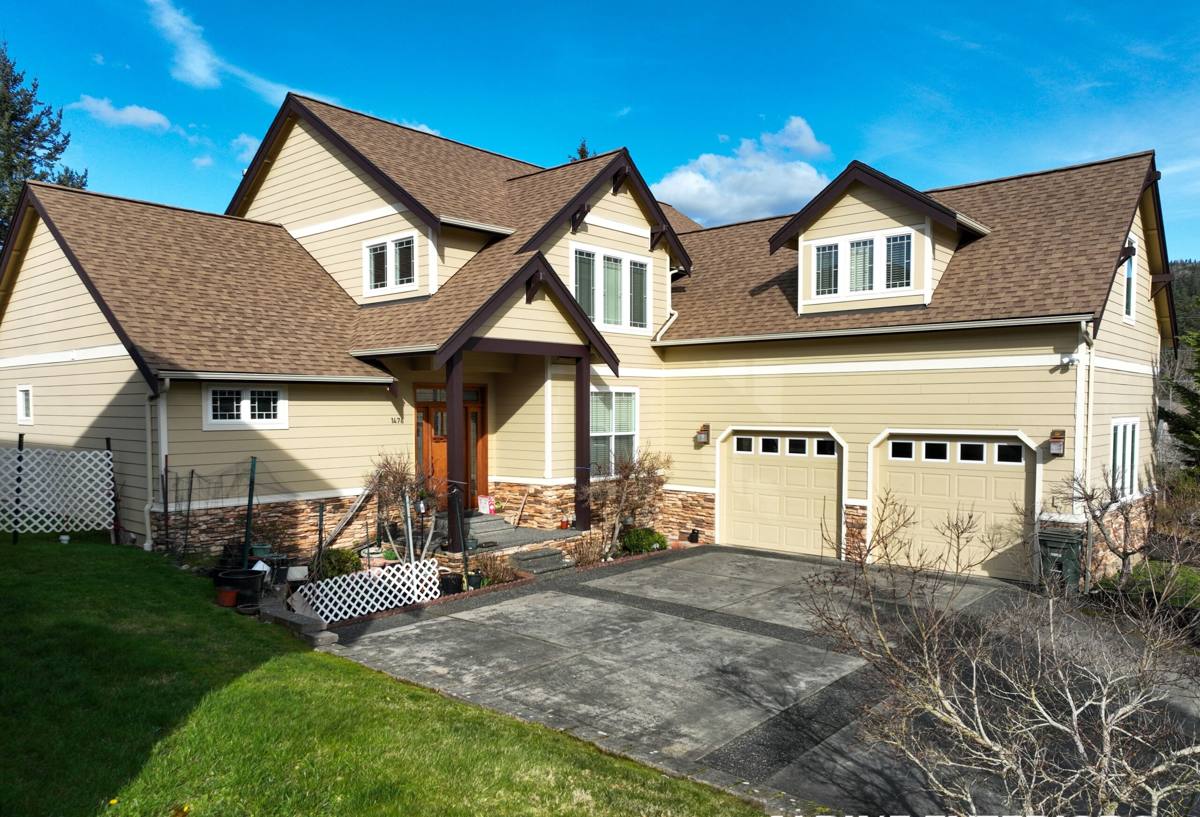
Why We Install Only James Hardie Fiber Cement Siding
We made a deliberate decision to install one siding system — James Hardie fiber cement — and nothing else. We don't install vinyl, LP SmartSide, Cemplank, Allura, or wood siding, and we're upfront with Skycrest homeowners about why. It comes down to what actually holds up under the conditions described above:
- Non-combustible material — fiber cement doesn't burn, warp, or melt the way vinyl and some engineered wood products can under heat and direct sun exposure.
- Factory-applied ColorPlus finish — a baked-on finish system that resists the fading and chalking that plagues field-painted siding in high-UV climates like ours.
- Climate-engineered product lines — James Hardie builds region-specific formulations (HardieZone HZ5, appropriate for Florida's humidity and moisture exposure) rather than a one-size-fits-all product.
- Dimensional stability — fiber cement doesn't expand, contract, or warp with humidity swings the way wood-based products can, which matters for keeping seams and caulk lines intact.
- Strong transferable warranty backing — when a product is installed to the manufacturer's specification, the warranty coverage reflects real confidence in long-term performance.
We're not going to tell you every other product on the market is worthless — vinyl, engineered wood, and other fiber cement brands all have a place, and each has genuine strengths. But we've chosen to stand behind one system that we believe performs best against Gulf Coast sun, wind, rain, and salt, and we'd rather do one thing correctly than offer five options and hope one works out.
What a Correct Siding Installation Actually Involves
Siding failure in this climate is rarely about the siding material alone — it's almost always about what's underneath it, or how it was fastened. A correct installation addresses every layer, not just the visible finish.
- Tear-off and substrate inspection. Old siding comes off and the sheathing underneath gets inspected for rot, moisture damage, or prior water intrusion before anything new goes up.
- Water-resistive barrier. A code-compliant weather barrier is installed correctly lapped, so water sheds down and out rather than getting trapped behind the siding.
- Flashing at every penetration. Windows, doors, vents, and any wall penetration get properly flashed — this is where most wind-driven rain intrusion actually starts.
- Correct fastening pattern. James Hardie specifies fastener type, spacing, and placement for wind zones like ours. Skipping or shortcutting this is the single most common cause of siding failure in a storm.
- Proper clearances. Siding needs the right gap from grade, roofing, decks, and other surfaces to avoid trapping moisture against the material.
- Caulking and sealant at seams. Seams, corners, and trim intersections get sealed with products rated for exterior, high-UV, high-moisture use.
- Final inspection and cleanup. Every elevation gets checked against manufacturer install specs before we call the job done.
Our Process for a Skycrest Siding Installation
Every home is different, but the general sequence stays consistent so homeowners know what to expect from first call to final walkthrough.
1. On-Site Assessment
We look at your home's current siding, sheathing condition, wall orientation, and any trouble spots — areas that catch more wind-driven rain, show more sun fade, or have a history of moisture issues.
2. Scope and Product Selection
We walk you through James Hardie's plank profiles, textures, and ColorPlus color options, and explain what fits your home's style and this climate's demands.
3. Permitting
Siding replacement in Clearwater and Pinellas County typically requires a permit, and wind-zone requirements factor into the installation spec. We handle this as part of the job rather than leaving it to the homeowner.
4. Installation
Tear-off, substrate repair where needed, weather barrier, flashing, siding installation, and trim — done to James Hardie's published specifications for our wind and moisture zone.
5. Final Walkthrough
We review the finished job with you, elevation by elevation, before we consider the project complete.
Signs a Skycrest Home Needs New Siding
Not every siding problem is obvious from the street. Some of the most damaging issues start behind the siding, out of view. Here's what we tell Skycrest homeowners to watch for:
- Soft or spongy spots when you press on the siding, especially near the bottom courses
- Visible warping, buckling, or gaps between siding panels
- Peeling paint or finish that keeps failing no matter how often it's repainted
- Cracking or splitting, particularly after storm season
- Rising energy bills that can't be explained by anything else — a sign the wall assembly may no longer be sealing properly
- Visible mold, mildew, or staining that returns quickly after cleaning
- Rot or damage around window and door trim
- Siding that's original to a home 20+ years old and has never been replaced
What Affects the Cost of a Siding Installation
Every home is priced individually after an on-site look, but these are the main factors that move the number up or down:
| Factor | Why It Matters |
|---|---|
| Home size and wall area | More square footage means more material and labor |
| Tear-off complexity | Multiple layers of old siding or extensive sheathing repair add time |
| Substrate condition | Rotted or water-damaged sheathing must be repaired before new siding goes on |
| Home architecture | Corners, dormers, and trim detail add labor beyond flat wall runs |
| Product selection | Plank profile, texture, and color line affect material cost |
| Story height and access | Second-story and hard-to-access walls require more setup time |
Why a Crew That Already Works Skycrest Matters
Siding installation isn't just a product — it's a set of decisions specific to your home, your neighborhood, and your wind zone. A crew that already works in Clearwater and knows Skycrest's housing stock understands the common substrate issues on homes of this age, knows what Pinellas County permitting requires, and has already worked through the wind-zone fastening specs that apply here. That familiarity shows up in fewer surprises mid-project and a finished job that's actually built for the conditions it has to survive — not just for the day it goes up.
Maintenance After Installation
James Hardie fiber cement is low-maintenance compared to most alternatives, but "low-maintenance" isn't "no-maintenance" in a coastal climate. A rinse-down a few times a year to clear salt residue and pollen, periodic visual checks of caulk lines and trim joints, and prompt attention to any impact damage will keep the system performing the way it's designed to for the long haul.
If your Skycrest home's siding is showing its age or you're planning ahead of the next storm season, we're happy to take a look and walk you through what a correct James Hardie installation would involve for your specific home. Request a free, no-pressure estimate using the form below.