 Clearwater Roofing
 Windows Built for the Sunset Point Climate
Sunset Point sits close enough to the water that its homes take a different kind of beating than houses further inland. Between hurricane-season wind loads, wind-driven rain that finds every gap in a tired frame, and salt air that corrodes hardware and pits glass coatings over time, windows here age faster than the manufacturer's brochure suggests. Add in Pinellas County's year-round UV exposure — strong enough to break down vinyl, fade interior finishes, and degrade seals well before their rated lifespan — and it's clear why a window that performs fine in a milder climate can start failing within a few years on this stretch of coastline.
Window installation for Sunset Point homes isn't just a matter of swapping old glass for new. It's about choosing products rated for coastal wind exposure, installing them so the building envelope stays sealed against wind-driven rain, and using hardware and finishes that can shrug off salt air instead of corroding out. Get any one of those wrong and you end up with a window that looks fine for a season or two, then starts leaking, sticking, or failing at the exact moment a storm puts it to the test.
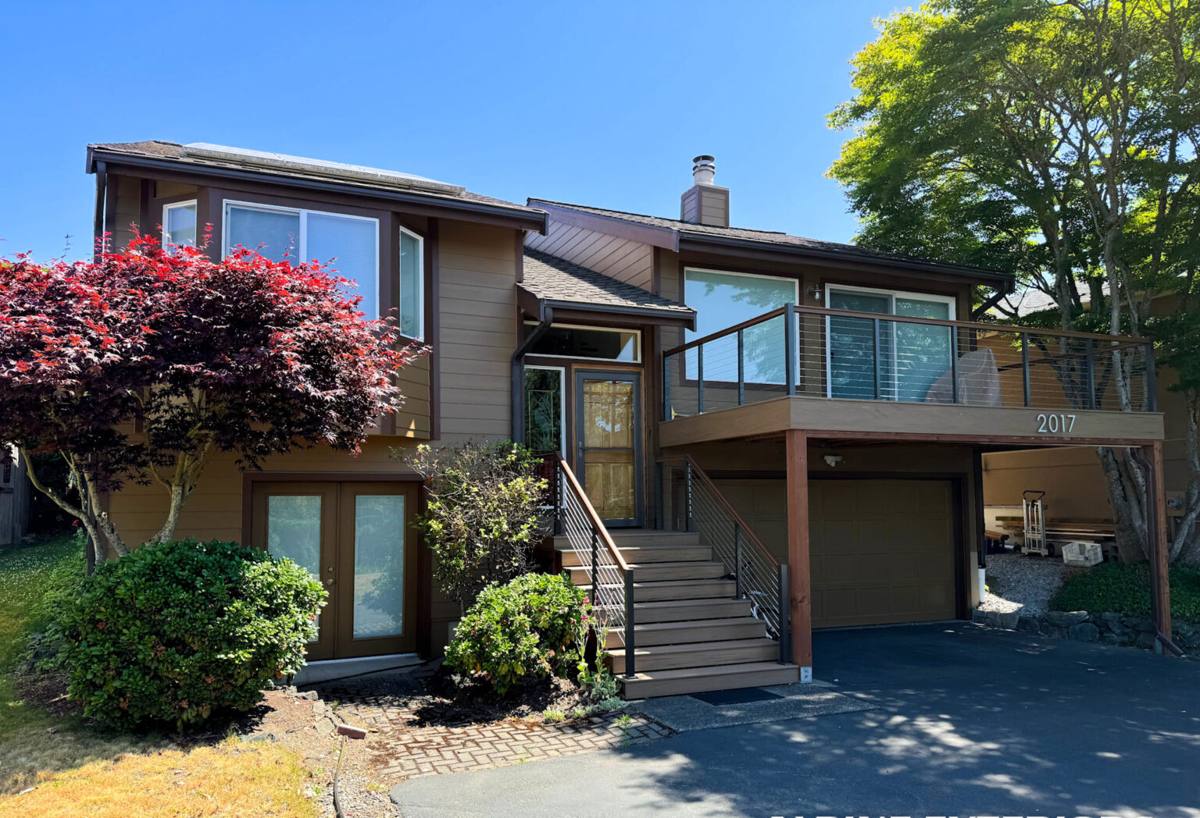
What Sunset Point Homes Actually Need From Their Windows
Wind and Impact Resistance
Florida's building code sets minimum wind-load and impact requirements based on location, and homes near the coast in Pinellas County typically fall into higher wind-zone categories than inland properties. That means the window itself — frame, glass, and anchoring — has to be rated to handle sustained wind pressure and, in many cases, wind-borne debris impact without requiring separate shutters. We size windows to the actual wind zone for the property, not a generic statewide minimum, because guessing low here isn't a paperwork issue — it's a real risk during the next named storm.
Water Management
Wind-driven rain doesn't fall straight down — it gets pushed sideways and upward under eaves, into stucco joints, and around window flanges that aren't properly flashed. A correct installation manages water at three points: the flashing behind the frame, the sealant joint at the exterior face, and the weep system that lets any water that does get in drain back out instead of pooling inside the wall cavity. Skip any one of these and you get slow, hidden water intrusion long before you see a stain on the drywall.
Salt Air and Corrosion
Hardware — hinges, locks, cranks, and fasteners — is often the first thing to fail on a coastal-adjacent window. Standard steel fasteners and lower-grade hardware corrode faster in salt-laden air, even a few miles from open water. We spec corrosion-resistant hardware and fasteners for Sunset Point installs as a matter of course, not as an upsell, because replacing a corroded lock mechanism a few years after installation isn't a good outcome for anyone.
UV Durability
Constant UV exposure breaks down lesser-quality vinyl and degrades seal integrity over time, which shows up as yellowing frames, hazy glass coatings, or seals that fail early and let condensation form between panes. We look at frame material quality and glass coating specs with Florida's UV load in mind, not just the sticker price.
What a Correct Installation Involves
A window installation is only as good as the parts of the job nobody sees once the trim is back on. Here's what we consider non-negotiable on every Sunset Point project:
- Removing the old window and inspecting the rough opening and sill for rot, prior water damage, or framing issues before anything new goes in
- Repairing any compromised framing or sheathing — never installing a new window over a damaged opening
- Installing flashing tape and a proper weather-resistive barrier integration so water is directed out, not into the wall
- Setting the window plumb, level, and square, with shims placed correctly to avoid stressing the frame
- Anchoring per the manufacturer's wind-rated installation instructions — not a generic fastening pattern
- Sealing the exterior with a compatible, coastal-rated sealant at the correct joints, while leaving weep holes clear
- Insulating the gap between frame and rough opening properly, without over-packing it in a way that bows the frame
- Finishing interior and exterior trim so the opening is fully weathertight and looks correct
- Testing operation — locks, cranks, tilt features — before we consider the job done
Any one of these steps done carelessly can undermine the whole installation, no matter how good the window itself is.
Choosing the Right Window for a Sunset Point Home
There's no single "best" window for every house — the right choice depends on the home's exposure, architectural style, and budget. What matters is understanding the trade-offs honestly rather than defaulting to whatever has the flashiest brochure.
| Factor | What to Consider | Why It Matters Here |
|---|---|---|
| Frame Material | Vinyl, aluminum, fiberglass, composite | UV stability and corrosion resistance vary significantly by material and manufacturer grade |
| Impact Rating | Impact-rated glass vs. standard glass plus shutters | Impact glass provides continuous protection; shutters require deployment before every storm |
| Glass Package | Low-E coatings, laminated interlayers, tinting | Affects UV/heat rejection and cooling costs in Florida's climate |
| Hardware Grade | Standard vs. corrosion-resistant hardware | Salt air accelerates wear on lower-grade locks, hinges, and fasteners |
| Warranty Structure | Manufacturer coverage vs. installation workmanship coverage | Most window failures near the coast trace back to installation, not the glass itself |
We walk homeowners through these trade-offs specifically for their exposure and elevation rather than pushing one product line across every job. A window that's a great fit for a shaded, set-back home may not be the right call for a more exposed elevation a block from the water.
Our Process for Sunset Point Window Projects
1. On-Site Assessment
We start by looking at the existing openings, checking for water damage or rot, noting the home's exposure, and confirming the applicable wind-zone requirements for the property. This tells us what the replacement actually needs to do, not just what it should look like.
2. Product Selection
Based on that assessment, we go over window options that fit the home's wind zone, style, and budget — with honest trade-offs laid out, not a one-size pitch.
3. Written Estimate
You get a clear, itemized estimate before any work starts — no vague allowances, no surprise change orders once the crew is on-site.
4. Installation
Our crews follow manufacturer-specified anchoring and flashing details for every opening, treating water management and structural attachment as the priority, not an afterthought behind the aesthetics.
5. Final Walkthrough
We test every window with you before we call the job finished — operation, locks, and a visual check of the finished trim and sealant lines.
Why Local Installation Experience Matters
A crew that already works Sunset Point and the surrounding Clearwater area knows the wind-zone requirements that apply here, has already worked through Pinellas County permitting and inspection processes, and has seen firsthand how quickly a poorly sealed window fails once wind-driven rain and salt air get to work on it. That's a different starting point than a crew installing windows here for the first time. We're not learning the local building code or the local climate on your project — we've already accounted for both before we show up.
Permitting matters too. Window replacements in Pinellas County generally require a permit and inspection, particularly when wind-rated products are involved. We handle that process as part of the job rather than leaving it to the homeowner to sort out, which avoids the headaches that come with unpermitted work when it's time to sell the house or file an insurance claim.
Signs Your Sunset Point Home Needs New Windows
- Visible condensation or haze between panes, indicating a failed seal
- Windows that are difficult to open, close, or lock properly
- Drafts or noticeable temperature differences near the window when it's closed
- Water staining on the sill, wall, or trim after heavy rain
- Frames that are cracked, warped, chalky, or visibly corroded hardware
- A noticeable rise in cooling costs that coincides with aging windows
- Windows that don't carry a current impact rating and rely on separate shutters
None of these issues improve on their own, and in a climate this demanding, small problems tend to escalate quickly once wind-driven rain or salt air finds an opening.
What This Typically Involves Cost-Wise
Window replacement costs vary widely based on the number of openings, size, impact rating, frame material, and any structural repairs uncovered once the old window comes out. Impact-rated windows generally cost more upfront than standard windows plus shutters, but they remove the step of deploying protection before every storm and often carry insurance premium benefits worth asking your carrier about. Rather than quote a number that doesn't reflect your specific home, we provide a detailed written estimate after seeing the actual openings and condition of the framing.
Get a Straightforward Estimate
If your Sunset Point home has windows that are aging, drafty, or no longer up to current wind-rating standards, we're happy to take a look and walk you through honest options — no pressure, no inflated urgency. Fill out the form below for a free estimate, and we'll give you a clear picture of what your home actually needs.