 Clearwater Roofing
 Windows in Oldsmar Work Harder Than Windows Almost Anywhere Else
Oldsmar sits along Tampa Bay in Pinellas County, which means every window in the area deals with the same tough combination: salt-laden air rolling off the water, intense sun nearly every day of the year, sudden wind-driven rain, and the real possibility of hurricane-force gusts during storm season. A window that would hold up fine in a drier, calmer climate can fail here years ahead of schedule — not because it was a bad window, but because it was never built or installed for this environment.
When we talk about "window installation" in Oldsmar, we're not just talking about swapping glass into an opening. We're talking about a system: frame, flashing, sealant, fasteners, and glazing all working together to keep wind, water, and UV out of a home for the next couple of decades. Get any one part wrong and the whole system underperforms, usually in ways that don't show up until the next big storm or the next humid summer.
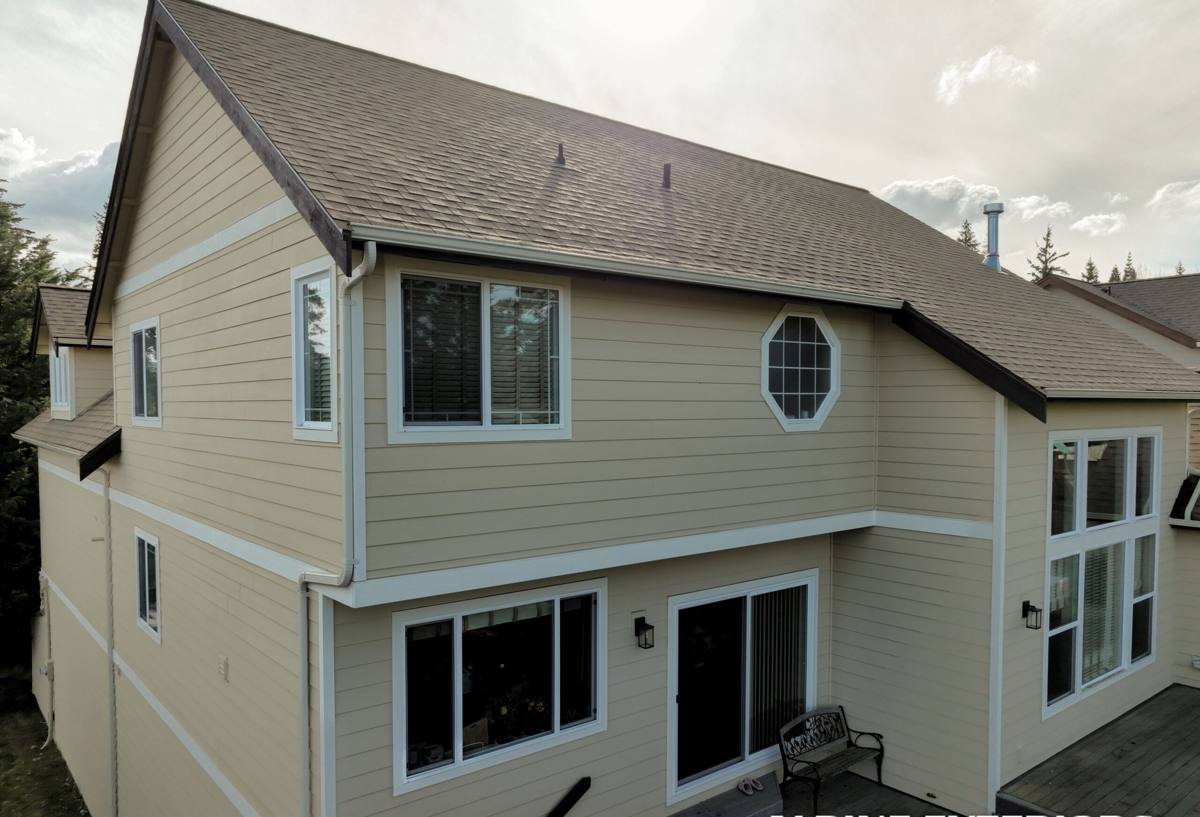
What the Local Climate Actually Does to Windows
Salt Air and Corrosion
Even a few miles inland from the bay, salt carried on the wind settles on window frames, hardware, and fasteners. Over time it corrodes weak metal components, pits poorly-coated aluminum, and breaks down cheap hardware. This is one of the biggest reasons frame material and fastener quality matter more here than in a landlocked climate.
UV Exposure
Florida sun is relentless year-round, not just in summer. UV breaks down vinyl and rubber seals, fades interior finishes, and accelerates the aging of low-quality glazing compounds. Windows without decent UV-resistant coatings or films tend to show their age early — cracked seals, cloudy glass, warped frames.
Wind-Driven Rain
Rain in this region rarely falls straight down. Wind pushes it sideways and forces it into any gap in the flashing or sealant around a window opening. Most of the "mystery leaks" homeowners deal with aren't failed glass — they're failed installation details around the perimeter of the window.
Hurricane-Force Wind Loads
Pinellas County building code accounts for high wind pressure zones, and Oldsmar is no exception. Windows and their anchoring need to resist both direct wind pressure and the pressure changes that happen when a home's envelope is compromised elsewhere (a broken window, a damaged door). This is the reason impact-rated products and correct anchoring aren't optional extras — they're the baseline for coastal Florida construction.
What a Correct Window Installation Actually Involves
A lot of window problems in this area trace back to installation shortcuts rather than product defects. A correct job includes:
- Removing the old window and inspecting the rough opening for rot, water damage, or framing issues before anything new goes in
- Correcting any damaged sheathing or framing rather than installing over it
- Installing flashing in the correct order (sill pan, side flashing, head flashing) so water is directed out and away, not trapped behind the window
- Using sealants and tapes rated for exterior, high-UV, coastal exposure — not general-purpose caulk
- Anchoring the window per the manufacturer's tested installation instructions and the wind load requirements for the home's specific wind zone
- Confirming the window is level, plumb, and square before final fastening — even a slightly out-of-square install stresses seals and hardware over time
- Insulating the gap between the frame and rough opening properly, without over-packing it in a way that bows the frame
- Final sealing, cleanup, and a functional check of every operating window (locks, cranks, screens, tilt features)
Skip or rush any one of these steps and the window may look fine on install day but underperform within a few years — leaking during storms, sticking in humidity, or losing its wind rating because the anchoring wasn't done to spec.
Impact-Rated vs. Standard Windows: What Actually Makes Sense Locally
Not every home needs the same approach, and we'd rather walk a homeowner through honest trade-offs than push the most expensive option by default.
| Factor | Impact-Rated Windows | Standard Windows + Shutters |
|---|---|---|
| Storm protection | Built into the window itself; no setup needed before a storm | Effective, but requires shutters to be installed or deployed each time |
| Daily UV/noise performance | Laminated glass also cuts UV transmission and outside noise | No added daily benefit unless shutters are permanently mounted |
| Upfront cost | Higher per-window cost | Lower window cost, but added cost for quality shutters |
| Maintenance | Minimal; frame and seals need normal upkeep | Shutters need tracks, hardware, and storage maintained |
| Insurance considerations | Can factor positively into windstorm mitigation credits | May also qualify depending on shutter type and documentation |
Both approaches can meet Pinellas County wind code when installed correctly. The right choice usually comes down to budget, how the home is used (year-round residence versus part-time), and how much the homeowner wants to deal with before a storm.
Frame Material: What Holds Up Best Near Tampa Bay
We steer most Oldsmar homeowners toward vinyl or fiberglass frames over unclad wood or bare aluminum. Wood frames without a durable exterior cladding tend to absorb moisture and rot faster in this humidity, and their maintenance burden (repainting, resealing) is heavier than most homeowners want to keep up with. Bare aluminum, while strong, conducts heat and is more prone to corrosion pitting near the bay without a quality factory finish. Vinyl and well-built fiberglass frames generally handle the combination of salt air, UV, and humidity with the least ongoing maintenance, which is why they've become the practical default along this part of the Gulf Coast.
Our Window Installation Process
1. On-Site Assessment
We look at the existing windows, the condition of the surrounding framing, and the home's exposure (direct bay-facing walls typically take more weather than sheltered sides). This shapes our product and installation recommendations.
2. Product Selection
We walk through frame material, glass package (impact-rated laminated glass versus standard insulated glass), and any features that matter for the home — tinting, Low-E coatings, or specific operating styles.
3. Permitting
Window replacement in Pinellas County typically requires a permit, and impact-rated products need documentation showing they meet the applicable wind zone rating. We handle this paperwork as part of the job rather than leaving it to the homeowner.
4. Removal and Opening Inspection
Old windows come out carefully, and we check the rough opening for hidden rot or water damage before installing anything new. This step gets skipped by installers in a hurry — we don't skip it.
5. Installation
Flashing, sealing, anchoring, and leveling are done to manufacturer specification and local code, not just "close enough."
6. Final Walkthrough
Every window gets tested — opening, closing, locking — and the surrounding area is cleaned up before we consider the job done.
Why a Crew That Already Works Oldsmar Matters
Window installation isn't just a product question — it's a local-code and local-conditions question. A crew that regularly works in Oldsmar and the surrounding Clearwater area already knows the Pinellas County permitting process, understands which wind zone requirements apply, and has seen firsthand how salt air and storm exposure affect homes in this specific part of the coast. That familiarity cuts down on delays, avoids costly rework from missed inspections, and means the installation recommendations are based on what actually holds up here — not generic advice that applies somewhere drier and calmer.
Signs Your Current Windows Need Attention
Homeowners often wait too long to address window problems because the signs are subtle at first. Watch for:
- Fogging or condensation between panes (a sign the seal has failed)
- Windows that are hard to open, close, or lock
- Visible gaps, cracked caulk, or peeling paint around the frame
- Drafts or noticeable temperature differences near the window
- Water staining on the wall or sill below a window
- Frames that feel soft, warped, or show corrosion on hardware
Any of these on their own isn't necessarily an emergency, but ignoring them tends to let a small, cheap fix turn into a larger repair once water gets behind the wall.
Caring for New Windows in a Coastal Climate
New windows still need some upkeep to get their full lifespan out here. A simple seasonal routine goes a long way:
- Rinse frames and glass periodically to remove salt buildup, especially on bay-facing sides
- Inspect exterior caulking annually and touch up any cracking before rainy season
- Lubricate locks, hinges, and cranks to prevent corrosion from setting in
- Clear debris from weep holes so water can drain out of the frame properly
- Have windows checked after any major storm for loosened seals or hardware
If your Oldsmar home has aging windows, visible leaks, or you're planning ahead for the next storm season, we're happy to take a look and give you a straight answer on what your home actually needs. Fill out the form below for a free, no-pressure estimate.