 Clearwater Roofing
 Downtown Clearwater Roofs Work Harder Than Most
A shingle roof in Downtown Clearwater isn't dealing with average weather. This part of Pinellas County sits close enough to the Gulf that salt-laden air is a constant, the sun is intense and nearly year-round, and the same storm season that brings wind-driven rain can also bring hurricane-force gusts strong enough to test every nail and seal on the roof deck. None of that is unique to one street or one house — it's the baseline for the whole area. What matters is whether a roof was actually built to handle it, or just built to look finished.
We work on homes throughout this neighborhood regularly, which means we see the same failure patterns over and over: shingles that curl and lose granules years ahead of schedule from UV exposure, fasteners and flashing that corrode faster than they should because of salt air, and roofs that held up fine in light rain but let water in the first time wind drove it sideways under the shingle edge. A correct installation accounts for all of that from the start, not as an afterthought.
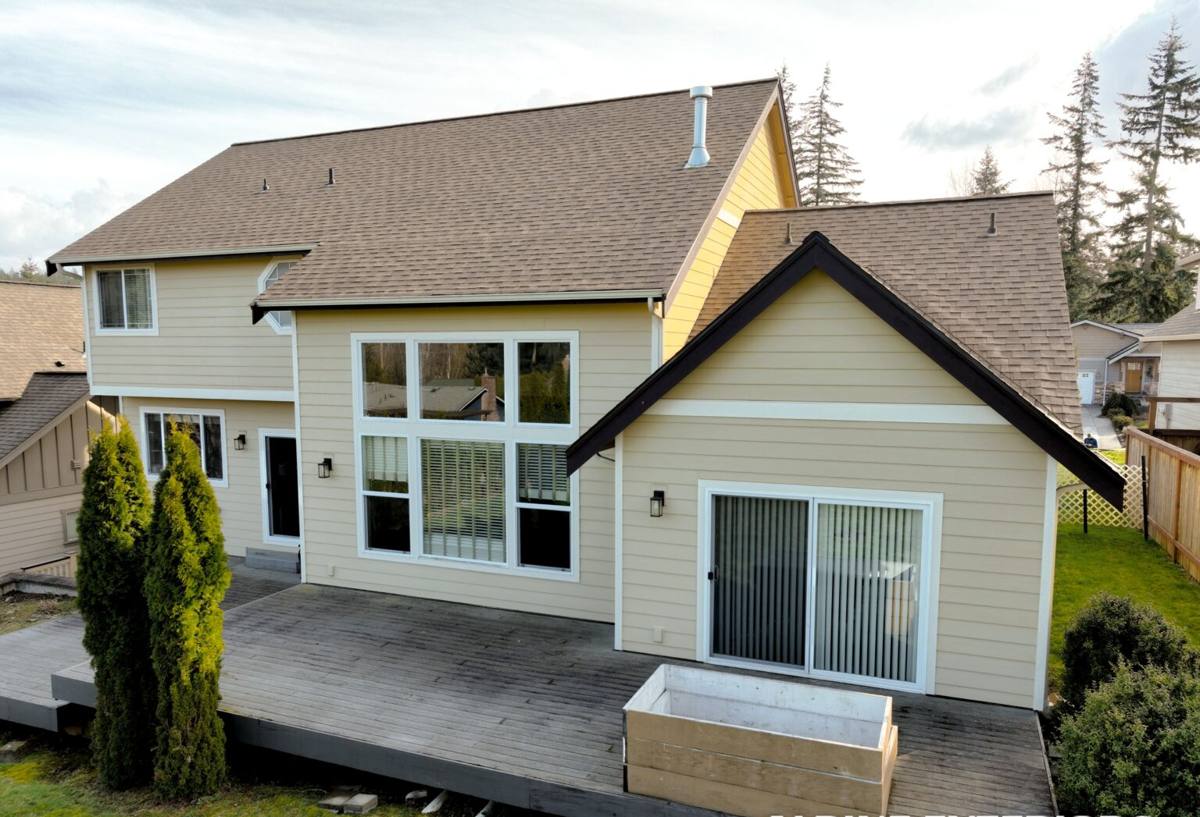
What Correct Asphalt Shingle Installation Requires Here
Asphalt shingle roofing is a mature, well-understood product. Most of the roofs that fail early in this climate didn't fail because shingles are a bad choice — they failed because a step underneath the shingles was skipped or done to the minimum instead of done right.
Underlayment and Secondary Water Barrier
The shingles are the visible layer, but the underlayment is what actually keeps a house dry when wind pushes rain up under a shingle tab — which happens regularly during Gulf-driven storms. We use a synthetic or self-adhering underlayment system suited to the roof's slope and exposure, with extra attention at eaves, valleys, and any low-slope sections where standing water and wind-driven rain are more likely to find a weak point.
Fastening and Wind Resistance
Nail placement and pattern matter more in this county than in most of the country, because local building code reflects the real risk of hurricane-force wind. Shingles need the correct number of fasteners, driven flush and in the manufacturer's specified nailing zone — not high, not overdriven, not at an angle. A roof that looks fine but was fastened incorrectly is the roof that loses shingles in the first serious wind event, and once a few shingles go, wind gets underneath the rest of the field.
Ventilation and Attic Airflow
Florida attics run hot, and a poorly ventilated attic bakes the underside of the roof deck and shortens shingle life from the inside out. Balanced intake and exhaust ventilation keeps attic temperatures more reasonable, reduces the moisture that can lead to deck rot, and helps the shingles hit their expected service life instead of failing early from heat stress on top of UV exposure.
Choosing the Right Shingle for This Climate
Not every asphalt shingle product is built for the same conditions, and the right choice depends on how much wind and UV exposure a specific roof will see. Here's how the common options compare for a Downtown Clearwater home:
| Shingle Type | Typical Wind Rating | Best Fit | Trade-Offs |
|---|---|---|---|
| 3-tab | Lower end of rated range | Budget-focused projects, secondary structures | Shorter lifespan in high UV and coastal wind exposure |
| Architectural / laminate | Mid-to-high rated range | Most primary residences in this area | Higher upfront cost than 3-tab, but better durability per dollar over time |
| Impact-rated (Class 4) | High rated range, plus impact resistance | Homes prioritizing storm resilience and possible insurance credit | Highest material cost; insurance discount availability varies by carrier |
For most homes in this neighborhood, a quality architectural shingle rated for the applicable local wind speed is the practical middle ground: it costs more than 3-tab up front but holds up meaningfully better against sun and salt air, which is where 3-tab tends to show its age first. We'll walk through the actual trade-offs for your roof's slope, sun exposure, and budget rather than defaulting to one answer.
Signs Your Roof Is Telling You Something
Shingle roofs rarely fail without warning. The trouble is that the warning signs are easy to miss from the ground, especially on a roof that still looks intact from the street. Worth checking for, or asking a roofer to check for during a routine visit:
- Granules collecting in gutters or at downspouts — a sign the shingle surface is wearing down
- Shingles that look curled, cupped, or raised at the edges instead of lying flat
- Cracked shingles, especially on sections that get the most direct afternoon sun
- Rust streaks or corrosion around flashing, vents, or exposed fasteners
- Dark streaking or staining that doesn't wash off with rain
- Soft spots, sagging, or visible daylight in the attic around roof penetrations
- Missing shingles or exposed nail heads after a windy stretch
- Water stains on interior ceilings, even faint ones, after heavy rain
Any one of these on its own isn't necessarily an emergency, but they're worth a professional look before the next storm season rather than after.
How We Handle a Downtown Clearwater Roofing Project
Inspection and Honest Assessment
We start by actually getting on the roof, not just looking from the driveway. That means checking the shingle field, flashing, vents, valleys, and — where accessible — the attic side of the deck. We'll tell you plainly if a roof needs full replacement, targeted repair, or just monitoring. If repair is a reasonable option, we won't push a full replacement to make the job bigger.
The Estimate
You get a written estimate that spells out the shingle product, underlayment system, ventilation work, flashing details, and any deck repair we expect to need. No vague line items. If we find additional deck damage once the old roof comes off, we'll show it to you and get approval before doing anything beyond the original scope.
Installation Day
Tear-off, deck inspection and repair as needed, underlayment, flashing, and shingle installation happen in sequence, with attention to the fastening pattern and ventilation details covered above. We protect landscaping and the areas around the house, and we do a magnetic nail sweep of the property before we consider the job finished.
Final Walkthrough and Cleanup
We walk the finished roof and the property with you, answer questions about what was done and why, and make sure the site is left clean. You should understand your new roof's warranty coverage — both the manufacturer's material warranty and our workmanship coverage — before we leave.
Why Local Experience Matters in This Neighborhood
Roofing code and permitting requirements in Pinellas County reflect the area's wind exposure, and a crew that pulls permits and passes inspections here regularly knows what the inspector will actually check — not just what the code book says in theory. Downtown Clearwater also has a real mix of home ages and roof styles, which means detail work at valleys, dormers, and older roof-to-wall connections isn't something you want a crew figuring out for the first time on your house.
There's also a simple availability argument. A contractor who already works this neighborhood knows the area's traffic patterns, permitting office, and typical supply lead times, which tends to mean fewer scheduling surprises than working with a crew that has to learn the area from scratch on your project.
Maintenance That Extends Roof Life in Salt Air and Sun
Asphalt shingle roofs in this climate benefit from a bit more attention than the same roof would need somewhere with milder sun and no coastal air. Keeping gutters and valleys clear prevents water from sitting against shingle edges. Trimming back overhanging branches reduces both debris buildup and abrasion damage during wind. A periodic visual check — especially after any named storm or unusually windy week — catches lifted or missing shingles before they turn into a leak. None of this requires a contractor visit every time, but a professional look every couple of years is a reasonable habit given how hard this climate works a roof.
What Actually Drives the Cost of a Shingle Roof
Every roof is priced individually based on its specifics, but the same handful of factors move the number up or down on almost every job:
| Factor | Why It Matters |
|---|---|
| Roof size and number of layers to remove | More tear-off labor and disposal, especially with existing multiple layers |
| Roof complexity (valleys, dormers, penetrations) | More cutting, flashing, and detail work per square |
| Shingle product selected | 3-tab, architectural, and impact-rated products carry different material costs |
| Deck condition | Rotted or damaged decking found during tear-off adds repair cost |
| Ventilation upgrades needed | Adding or correcting intake/exhaust venting affects both material and labor |
We break all of this out in the written estimate so you can see exactly what's driving the price, rather than being handed a single number with no explanation behind it.
If your roof is due for a look — whether it's showing early wear, coming up on age, or you just want an honest opinion before storm season — we're glad to come out and take a look. Use the form below to request a free, no-pressure estimate for your Downtown Clearwater home.