 Clearwater Roofing
 Why Dunedin Roofs Wear Differently Than Roofs Inland
Dunedin sits close enough to the Gulf that salt air, humidity, and wind-driven rain are part of daily life for every roof in town, not just the ones a block from the water. Add in Pinellas County's intense year-round UV exposure and the occasional hurricane-force wind event, and you have a climate that is genuinely harder on roofing materials than most of the country deals with. A shingle roof that would last three decades in a mild, dry climate can start showing granule loss, curling, and nail-pop issues years earlier here if it wasn't installed with these specific stresses in mind.
That's the core issue we see on service calls in Dunedin: roofs that were installed correctly for a generic spec sheet, but not for this specific coastal environment. Asphalt shingle roofing can absolutely hold up well in this area — it's still the most common and most cost-effective roofing option for Dunedin homes — but only when the installation details account for wind uplift, moisture intrusion, and UV breakdown from day one.
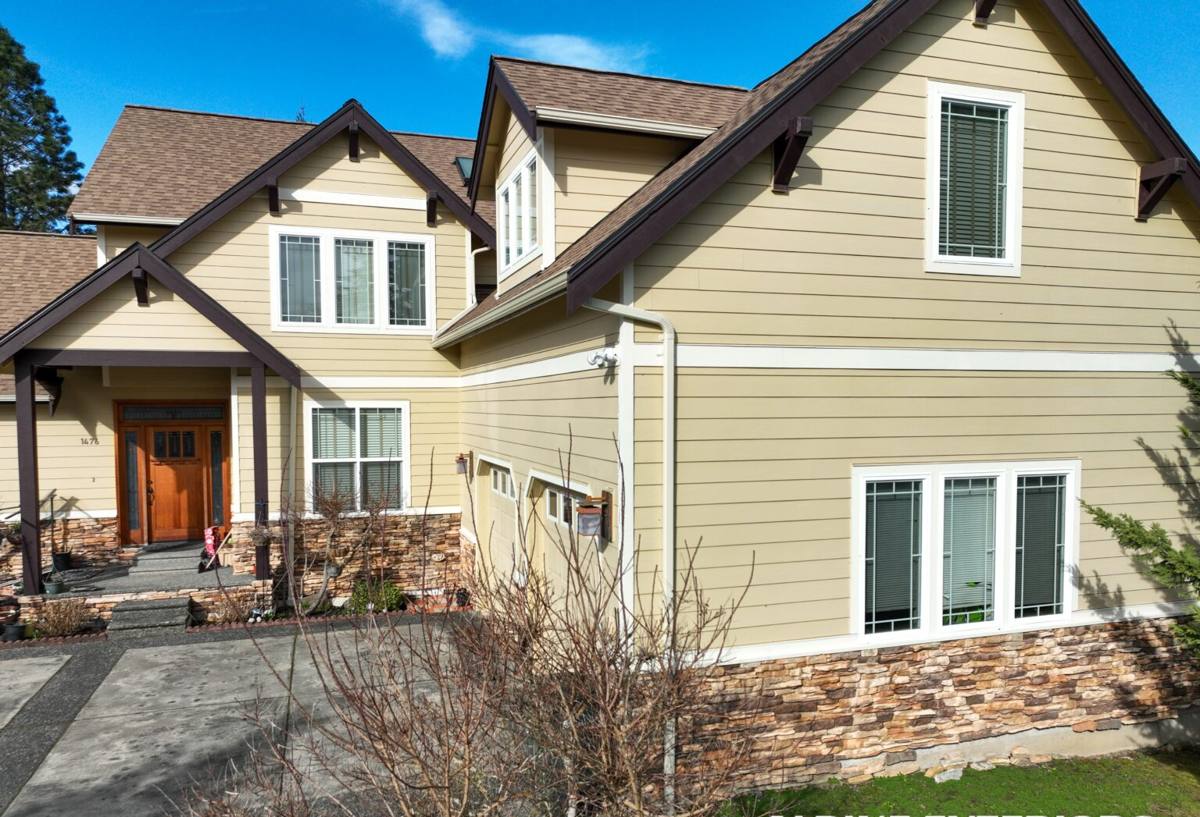
What Local Homes Actually Need From a Shingle Roof
Three climate factors drive almost every decision we make on a Dunedin roofing job:
Hurricane-Force Wind
Pinellas County's wind zone requirements exist because they reflect real storm history. Shingle uplift failures almost always start at the edges — the perimeter, ridge, and rake lines take the brunt of wind load. A roof that's properly nailed, sealed, and edge-detailed will shed far more wind than one where installers rushed the fastening pattern to save time.
Wind-Driven Rain
Straight-down rain is rarely the problem. Rain pushed sideways by wind finds every gap in flashing, every under-driven nail, and every seam where underlayment wasn't lapped correctly. Dunedin's storm pattern means a roof needs a secondary water barrier that can hold up on its own if wind gets under the shingles even briefly.
UV and Salt Air
Year-round Florida sun breaks down asphalt shingle oils over time, which is what eventually causes granule loss and brittleness. Salt-laden air accelerates corrosion on any exposed metal — flashing, fasteners, vents — faster than it would inland. Material choice and metal quality matter more here than in drier, cooler climates.
Choosing the Right Shingle for This Climate
Not every asphalt shingle product is built the same, and the difference shows up fastest in coastal conditions. We walk homeowners through the realistic options rather than pushing one tier by default.
| Shingle Type | Wind Rating (Typical) | Best Fit For |
|---|---|---|
| Standard 3-tab | Lower wind rating | Budget-conscious rentals or short-hold properties; least margin for coastal wind |
| Architectural (laminate) | Higher wind rating, varies by product line | Most Dunedin homes — the standard choice for coastal durability and appearance |
| Impact-rated / high-wind architectural | Highest available rating in the asphalt category | Homes closer to open water, higher insurance credit potential, longer-term owners |
We generally steer Dunedin homeowners toward architectural shingles as the practical baseline. The thicker laminate construction handles wind uplift and UV exposure noticeably better than 3-tab, and the cost difference is usually modest relative to the lifespan gained. Impact-rated lines cost more upfront but can pay back through insurance premium credits, which is worth running the numbers on for your specific policy.
What a Correct Installation Actually Involves
The shingle brand on the wrapper matters less than what happens underneath it. Most premature roof failures we're called out to inspect in this area trace back to shortcuts in the layers you never see once the job is done.
Deck Inspection and Repair
Before anything goes down, the roof deck gets inspected for soft spots, delamination, or rot — common in older Pinellas County homes where past leaks went unnoticed. Shingles fastened over a compromised deck won't hold their wind rating no matter how well they're installed on top.
Underlayment as a Real Second Line of Defense
Given how much wind-driven rain this area sees, underlayment isn't a formality — it's the barrier that protects the house if wind ever lifts a shingle edge during a storm. We pay particular attention to lap direction and fastening so the underlayment itself doesn't become a failure point.
Flashing at Every Transition
Valleys, chimneys, sidewalls, and penetrations (vents, pipes) are where the overwhelming majority of shingle roof leaks actually start — not the open field of shingles. Flashing needs to be correctly lapped with the shingle courses and sealed with materials rated for coastal salt exposure.
Nailing Pattern and Fastener Quality
Manufacturer nailing patterns exist for a reason, and skipping nails or placing them too high is one of the most common causes of wind uplift failure we see. We use corrosion-resistant fasteners throughout, since standard fasteners degrade faster in salt air and become the weak point in an otherwise sound roof.
Ventilation
Proper attic ventilation keeps shingle temperatures and moisture levels in check from underneath. Without it, shingles can bake and degrade from below even if everything above them was installed correctly — shortening the life of the roof regardless of product quality.
Ridge Caps and Edge Details
Ridge caps and edge metal take the highest wind loads on the entire roof. These get the closest attention on every job, since a failure here is often what starts a cascading wind-uplift problem across an entire slope.
Our Process, Start to Finish
1. Inspection and Honest Estimate
We start with a full roof inspection — deck, flashing, ventilation, and current shingle condition — and give you a straightforward assessment of whether you're looking at repair or replacement, along with a written estimate. No pressure, no inflated scope.
2. Permitting and Material Selection
Pinellas County and Dunedin have their own permitting requirements for roofing work, and we handle that process directly so it doesn't fall on you. This is also when we finalize shingle tier, color, and any upgrades like impact-rated products or ridge ventilation.
3. Tear-Off and Deck Prep
Full tear-off to the deck, inspection and repair of any damaged sheathing, and a clean surface before anything new goes down. We don't install new shingles over old layers or a deck we haven't verified.
4. Installation
Underlayment, flashing, shingles, and ridge details installed in that order, following manufacturer specs for wind zone compliance rather than a generic nailing pattern.
5. Cleanup and Final Walkthrough
Full site cleanup including magnetic sweep for stray fasteners, followed by a walkthrough so you can see the finished work and ask questions before we consider the job done.
What Drives the Cost of a Shingle Roof in Dunedin
Every roof is different, but the same handful of factors move the price on most jobs we quote in this area.
| Factor | Why It Matters Here |
|---|---|
| Roof size and pitch | More surface area and steeper pitches mean more material and labor time |
| Shingle tier | 3-tab, standard architectural, and impact-rated products carry different material costs |
| Deck condition | Older homes more often need sheathing repair or replacement before install |
| Number of penetrations and valleys | Each one needs flashing work, which adds labor regardless of shingle choice |
| Ventilation upgrades | Adding or improving attic ventilation extends shingle life but adds to project scope |
| Permit and code requirements | Pinellas County wind zone compliance can affect underlayment and fastening specs |
We give a written, itemized estimate so you can see exactly where the cost is going rather than a single lump-sum number.
Keeping a Shingle Roof Healthy in This Climate
A well-installed roof still needs basic upkeep to hit its full lifespan in Dunedin's climate. A few habits go a long way:
- Have the roof inspected after any major storm, even if you don't see obvious damage from the ground
- Keep gutters clear so water isn't backing up under the shingle edge during heavy rain
- Trim back overhanging branches that drop debris and hold moisture against the shingles
- Watch for granule buildup in gutters, which signals accelerating shingle wear
- Address small leaks immediately — deck damage from a slow leak is far more expensive than the original fix would have been
- Schedule a periodic professional inspection rather than waiting for a visible problem
Why Local Experience in Dunedin Matters
A crew that only occasionally works this area tends to default to generic specs. A crew that works Dunedin regularly already knows the county's permitting process, has a feel for which streets sit closer to open water and need extra attention to salt-air durability, and has likely already serviced roofs on similar homes nearby. That familiarity shows up in fewer surprises during permitting, more accurate estimates, and installation choices that are already tuned to this specific coastal environment rather than a one-size-fits-all national spec.
It also matters after the job is done. A local crew is easy to reach if a question comes up after the next storm season, rather than a company that did one job in the area and moved on.
If you're weighing repair versus replacement, or just want an honest read on your current roof's condition, we're happy to take a look. Request a free, no-pressure estimate using the form below and we'll walk you through what we find and what your realistic options are.