 Clearwater Roofing
 Asphalt Shingle Roofing Built for Seminole's Coastal Climate
Seminole sits close enough to the Gulf that its homes take on the same punishment as anywhere else in coastal Pinellas County: salt-laden air, long stretches of intense sun, sudden downpours, and the very real chance of hurricane-force wind gusts during storm season. Asphalt shingle roofing remains the most common choice for homes in this area because it's affordable, proven, and — when installed correctly for local conditions — genuinely durable. The catch is that phrase: installed correctly for local conditions. A shingle roof put on the same way you'd put one on in a dry, inland climate will not hold up the same way here. The materials, fastening methods, and detailing all need to account for what Seminole's weather actually does to a roof over the course of a year, not just what a manufacturer's spec sheet assumes for an average climate.
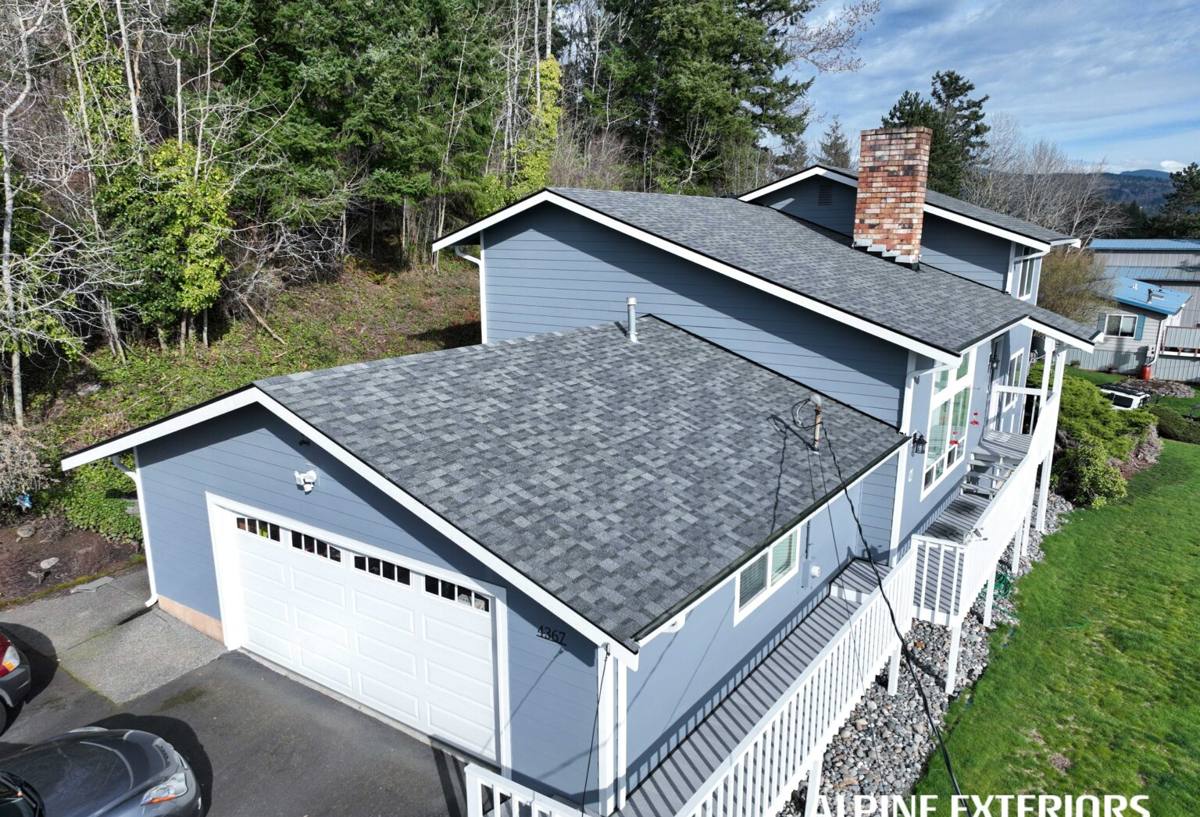
What This Climate Actually Does to a Shingle Roof
Before getting into installation details, it helps to understand the specific forces a Seminole roof is up against, because every part of a correct installation exists to counter one of these.
Wind
Even outside of a named storm, Pinellas County sees regular gusty weather off the Gulf, and every hurricane season brings the possibility of sustained high winds and gusts that can exceed local building code minimums. Shingles fail in wind starting at the edges — the field of the roof is rarely the problem. Weak starter courses, under-nailed tabs, and poor edge metal are almost always where wind damage begins.
UV exposure
Florida sun is intense and consistent almost year-round. UV breaks down the asphalt oils in a shingle over time, which is what eventually leads to granule loss, brittleness, and cracking. A roof baking under Florida sun ages faster than the same product would in a milder climate, which is one reason shingle warranties are written the way they are and why algae-resistant, UV-stabilized products matter more here than in most parts of the country.
Wind-driven rain
It's not just how much rain falls — it's the angle it falls at. Wind-driven rain gets pushed sideways and upward under shingle tabs, around penetrations, and along roof edges, which is exactly where a standard installation is most vulnerable if the underlayment and flashing weren't built for it.
Salt air
Being close to the Gulf means airborne salt settles on every exterior surface, including the roof. Salt accelerates corrosion on exposed metal — nails, flashing, vent stacks, and drip edge — which is why fastener and flashing material choice matters more for a Seminole home than it would further inland.
What a Correct Asphalt Shingle Installation Involves Here
A shingle roof is a system, not a single product. Every layer has a job, and skipping or shortcutting one layer undermines the whole system, even if the shingles themselves are top quality.
Underlayment and water barrier
The underlayment is the roof's backup plan — it's what protects the deck if wind or wear ever compromises the shingles above it. For our climate, that generally means a synthetic underlayment rated for high wind uplift, with self-adhering underlayment ("peel-and-stick") used at eaves, valleys, and around penetrations where wind-driven rain is most likely to get pushed underneath the shingle layer.
Nailing pattern and wind rating
Shingles are only as wind-resistant as their fastening. That means the correct number of nails per shingle, nails placed in the manufacturer's specified nailing zone (not high, not low), and a fastener pattern matched to the shingle's actual wind rating rather than the minimum the box allows. This is the single most common shortcut we see on roofs that failed prematurely in wind — and it's invisible once the roof is finished, which is exactly why it matters who's doing the work.
Flashing details
Step flashing at walls, counter-flashing at chimneys, and properly lapped flashing at valleys and penetrations are what actually stop water — the shingles mostly shed it. Flashing that's reused from a prior roof, undersized, or improperly lapped is a leading cause of leaks that show up months or years after a "successful" reroof.
Ventilation
Attic ventilation affects how hot the underside of the deck gets, how much moisture builds up, and how long the shingles above it last. A well-ventilated attic keeps shingle temperatures more consistent and reduces the heat cycling that accelerates asphalt breakdown — a meaningful factor given how much direct sun this roof will see across a typical year.
Starter strips and ridge caps
Edges and ridges are the highest-wind-load areas of any roof. Factory-cut starter strip along eaves and rakes, and properly fastened ridge cap shingles, close off the two areas most likely to catch wind and peel first.
Choosing the Right Shingle for a Seminole Home
Not every asphalt shingle product is built the same way, and the differences matter more here than they would in a calmer climate. The table below outlines the general categories homeowners in this area typically choose between.
| Shingle Type | Typical Wind Rating | Best Suited For | Trade-Offs |
|---|---|---|---|
| 3-tab (economy) | Lower end of rated range | Budget-driven projects, rental properties | Shorter lifespan in coastal wind and UV; least forgiving of installation shortcuts |
| Architectural / laminate | Mid-to-high rated range | Most owner-occupied Seminole homes | Higher upfront cost than 3-tab; heavier, more wind- and impact-resistant construction |
| Impact-rated architectural | Highest rated range | Homes seeking insurance premium credits or extra storm protection | Highest material cost; may qualify for wind mitigation discounts |
| Algae-resistant variants | Same as base product | Any roof in humid, salt-air conditions | Slightly higher cost; reduces the dark streaking common on Gulf Coast roofs |
For most Seminole homes, we steer people toward a mid-to-upper-tier architectural shingle with algae resistance built in. It's not the cheapest option on the shelf, but given the sun and salt exposure here, it's the option that actually delivers the lifespan its warranty promises.
Repair, Recover, or Full Replacement
Not every roof problem calls for a full tear-off. The right call depends on the age, condition, and history of the roof, and it's worth understanding the general factors that push a decision one way or the other.
| Factor | Favors Repair | Favors Full Replacement |
|---|---|---|
| Age of roof | Under half of expected shingle lifespan | Near or past expected lifespan |
| Damage scope | Isolated area (single slope, small penetration) | Widespread granule loss, multiple problem areas |
| Underlayment condition | Still intact and dry beneath shingles | Deteriorated, previously damaged, or unknown history |
| Prior storm history | No prior wind or water intrusion events | Repeated patch history or past insurance claims |
| Deck condition | Sound, no soft spots | Soft decking, signs of long-term moisture |
We'll always tell you honestly which category your roof falls into. A patch that's going to need another patch in a year isn't a good use of your money, and a full tear-off isn't necessary just because it's easier to sell.
Our Process, Start to Finish
- Roof assessment — a hands-on inspection of the shingles, flashing, decking, and ventilation, not just a drive-by look from the ground.
- Honest scope and estimate — a clear explanation of what's actually needed, in plain language, with the reasoning behind it.
- Material selection — walking through shingle options suited to your home, budget, and how long you plan to own it.
- Permitting — pulling the required permit through the appropriate local building authority before work begins.
- Tear-off and deck inspection — removing old roofing down to the deck and checking for hidden damage before anything new goes down.
- Underlayment and flashing installation — the water-barrier layer that does the real work if the shingles are ever compromised.
- Shingle installation — starter strip, field shingles, and ridge cap installed to the fastening pattern the product's wind rating requires.
- Final walkthrough and cleanup — a magnetic sweep for stray fasteners and a final check with you before we consider the job done.
Permits, Wind Mitigation, and Insurance
Roofing work in Pinellas County requires a permit, and inspections are part of that process — that's a good thing for you as the homeowner, since it means the work gets checked against code rather than just against our own word. A new roof or a roof with upgraded wind-resistant features can also be a factor in your wind mitigation inspection, which insurers use to set windstorm premiums. We can't promise a specific discount, since that's between you and your insurer, but we can make sure the roof itself is built to standards that support a strong mitigation report — proper nailing patterns, rated shingles, and correct edge treatment are all things a wind mitigation inspector looks for.
Keeping a Seminole Shingle Roof Healthy Between Installs
A correctly installed shingle roof still benefits from basic upkeep, especially given how much this climate throws at it. A simple homeowner checklist:
- Walk the property after any major storm and look for missing, lifted, or displaced shingles from the ground
- Keep gutters clear so water isn't backing up under the roof edge
- Trim back overhanging branches that can abrade shingle surfaces in wind
- Watch for dark streaking, which usually signals algae growth rather than structural damage, but is worth addressing
- Check attic insulation and vents periodically for signs of moisture or inadequate airflow
- Have the roof professionally inspected every few years, and always after named storms with sustained local impact
None of this replaces a professional inspection, but catching small issues early is what keeps a repair from turning into a full replacement.
Why It Matters That We Already Work in Seminole
A shingle roof spec'd for a dry inland climate and one spec'd for coastal Pinellas County can look identical from the ground and perform completely differently over ten years. Crews who work this area regularly already know which underlayment upgrades are worth the cost here, which flashing details actually hold up against wind-driven rain off the Gulf, and how local permitting and inspection processes run — none of which is guesswork when you're doing it week after week in the same communities. That local familiarity shows up less in what a roof looks like on installation day and more in how it performs during the next tropical system, and how little you have to think about it in the years between.
If you're weighing a repair, a full replacement, or just want a straight answer on the condition of your current shingle roof, we're happy to take a look and walk you through it. Use the form below to request a free, no-pressure estimate for your Seminole home.