 Clearwater Roofing
 Board & Batten Siding: A Distinctive Look With a Real Job To Do
Board and batten siding is easy to recognize: wide vertical panels with narrow strips, or "battens," covering the seams between them. It's a profile that's gained a lot of popularity in Florida over the past several years, whether homeowners are using it as a full exterior treatment, a gable accent, or a porch and entry feature layered against horizontal lap siding. The vertical lines and crisp shadow gaps give a home a cleaner, more modern or farmhouse-inspired look than traditional lap siding alone.
But board and batten isn't just a style choice. The way the panels and battens are laid out, fastened, and sealed determines how water moves off the wall. In a climate like ours, that detail matters as much as the look does.
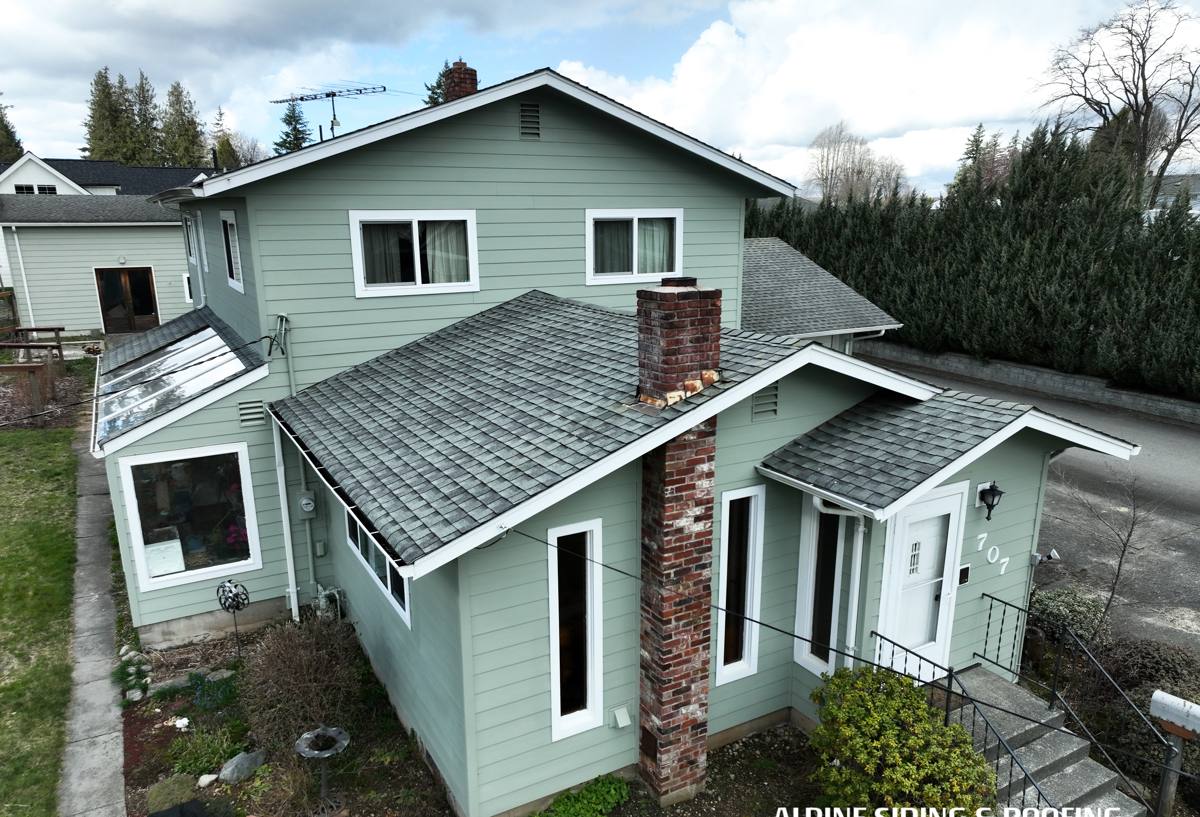
What Clearwater's Climate Asks of Siding in Countryside
Countryside is an established residential area in Clearwater, sitting inland from the immediate Gulf beaches but still well within Pinellas County's coastal climate belt. That means homes here deal with the same core stresses as anywhere else in the county: intense, near-daily UV exposure for most of the year, wind-driven rain during summer thunderstorms and tropical systems, seasonal hurricane-force wind gusts, and salt-laden air carried in off both the Gulf of Mexico and Tampa Bay.
Individually, none of those is unusual for Florida. Together, over years, they're hard on exterior materials. UV breaks down surface coatings and pigments. Humidity swings drive expansion and contraction in anything that isn't dimensionally stable. Wind-driven rain finds any gap in flashing or caulking and pushes water where it doesn't belong. And salt air accelerates corrosion on fasteners and hardware that aren't rated for it. Siding that isn't engineered with all of that in mind tends to show its age early — fading, cupping, soft spots, or open seams well before a homeowner expects to be dealing with a siding problem.
Why We Don't Install Board & Batten in Vinyl, Wood, or LP SmartSide
We get asked fairly often why we won't quote board and batten in some of the more common (and often cheaper) materials. It's a fair question, and the honest answer is that we've made a professional standard around what we've seen hold up in this climate versus what tends to become a maintenance headache.
Vinyl
Vinyl board and batten is affordable and low-maintenance in the sense that it never needs paint. But it's a thin, heat-sensitive material. In direct Florida sun it can warp or distort, and in high wind it's more prone to flexing and, in the worst cases, pulling loose. The vertical seams in a board and batten profile also tend to be more visually obvious in vinyl than in lap siding, which can make an otherwise nice design look less crisp over time.
Wood (cedar, primed spruce)
Real wood board and batten has a genuine, traditional appeal, and we understand the appeal. But wood in a humid, insect-active climate requires a real maintenance commitment: repainting, recaulking open joints, and watching for rot at the bottom edges and around fasteners. Skip a maintenance cycle or two and the material starts working against the homeowner instead of for them.
LP SmartSide
LP SmartSide is an engineered wood-strand product, and it's a step up from raw wood in some ways — but it's still a wood-based core at heart. Cut edges and joints need to be sealed correctly and kept sealed, because if moisture gets into the strand core, that's where problems start. In a climate with this much humidity and wind-driven rain, that margin for installation and maintenance error is one we've chosen not to build our business around.
None of this is a claim that these products can't work anywhere — it's that after years of exterior work in Pinellas County's climate, we standardized on a material that removes several of these variables entirely.
James Hardie Board & Batten: What We Install Instead
We install James Hardie fiber cement exclusively, and board and batten is one of the profiles where the difference is most noticeable over time. Hardie's board and batten systems are built from a fiber cement core — cement, sand, and cellulose fiber — which is non-combustible, doesn't rot, and doesn't attract termites the way wood-based products can.
Two things matter specifically for Countryside homes:
- ColorPlus Technology. Rather than field-painting after installation, many Hardie products come with a factory-applied, baked-on finish that's engineered to resist Florida's UV exposure better than a standard field-applied paint job, with a warranty backing the finish itself.
- HZ5 engineering. James Hardie makes climate-specific product lines through its HardieZone system, and the HZ5 line is engineered for the humidity, moisture exposure, and freeze-thaw-free conditions found in our region — as opposed to a generic, one-size-fits-all siding product.
The result is a board and batten exterior that holds its lines and color with far less ongoing maintenance than the alternatives, and a warranty structure that's actually transferable if the home changes hands.
What a Correct Board & Batten Installation Involves
Board and batten has more seams and more vertical joints than a standard lap profile, which means installation quality has an outsized effect on how the siding performs. A correct install isn't just nailing panels to the wall — it's a sequence that has to be followed in order.
Before the panels go up
The substrate gets inspected and repaired as needed, and a weather-resistive barrier is installed underneath the siding. This barrier is the home's actual first line of defense against wind-driven rain — the siding sheds most of the water, but the barrier handles what gets past it.
Panel and batten placement
Panels need consistent, manufacturer-specified gaps to allow for the material's minor expansion and contraction, and fasteners need to be driven at the correct depth and pattern — overdriven nails crack the material and create a point where water can work its way in. Battens are then fastened over the seams, following James Hardie's specified nailing pattern and spacing.
Flashing and sealing
Every horizontal transition — window and door heads, band boards, roof-to-wall intersections — needs proper flashing, not just caulk. Caulk and sealant are used at penetrations per Hardie's installation specifications, but they're a backup to good flashing detail, not a substitute for it.
Wind load compliance
Pinellas County building code specifies fastening requirements tied to local wind zones, and board and batten installations need to meet those requirements — this isn't optional, and it's part of why we pull permits rather than treating siding as a cosmetic swap.
Our Process for a Countryside Board & Batten Project
- On-site assessment and measurement, including a look at the existing substrate condition.
- Written estimate with product, panel width, and ColorPlus color options.
- Permitting through the appropriate Pinellas County or City of Clearwater process.
- Removal of old siding and substrate repair where needed before anything new goes up.
- Installation of the weather-resistive barrier.
- Installation of Hardie panels and battens to manufacturer and code specification.
- Caulking, trim work, and final finish detailing.
- Final walkthrough with the homeowner and full site cleanup.
Cost Factors for Board & Batten Siding
Every home is different, so we don't publish blanket pricing, but these are the factors that most affect the estimate on a board and batten project:
| Factor | Why It Matters |
|---|---|
| Full exterior vs. accent area | A full board and batten exterior involves significantly more material and labor than using it as a gable, dormer, or porch accent against lap siding. |
| Tear-off vs. new substrate | Removing and disposing of old siding, plus any substrate repair it uncovers, adds time and cost beyond the siding install itself. |
| Height and access | Two-story walls, steep rooflines, and tight side yards affect equipment needs and labor time. |
| Trim and detail complexity | Homes with more windows, corners, and architectural detail require more precise cutting and flashing work. |
| Finish choice | Factory-applied ColorPlus finishes carry a different cost structure than field-painting after installation. |
Maintenance Checklist for Board & Batten Homes in Countryside
Fiber cement board and batten is low-maintenance compared to the alternatives, but "low-maintenance" isn't "no-maintenance." A little attention keeps it performing the way it's designed to:
- Rinse the siding down a couple of times a year to clear pollen, salt residue, and airborne grime.
- Walk the exterior before hurricane season and check caulking at joints, trim, and penetrations for cracking or gaps.
- Watch batten edges and seams for any signs of separation, especially after major storms.
- Keep irrigation heads angled away from the siding — constant sprinkler contact accelerates wear at the base of any wall.
- Trim back shrubs and landscaping so they aren't holding moisture against the siding.
- If the siding was field-painted rather than ColorPlus factory-finished, plan for repainting on a normal exterior paint cycle.
- After any major wind event, do a quick visual check for loose battens, panels, or trim.
Why Hiring a Crew That Already Works in Countryside Matters
Siding work in this part of Pinellas County isn't generic exterior work — it's work done under a specific building code, a specific wind zone, and a specific set of weather conditions that show up every single year. A crew that's already familiar with Countryside and the surrounding Clearwater area knows the local permitting process, understands the wind and moisture demands the code is built around, and has seen firsthand how different materials and installation shortcuts hold up — or don't — after a few Florida summers and storm seasons. That local track record is worth more than a low bid from a crew that's never worked the area.
If you're considering board and batten siding for a home in Countryside, we're happy to take a look and talk through what's realistic for your specific house. Reach out for a free, no-pressure estimate using the form below.