 Clearwater Roofing
 Clearwater Beach Roofs Work Harder Than Most
A roof on Clearwater Beach earns its keep differently than one a few miles inland. Homes here sit exposed to salt-laden air coming straight off the Gulf, intense year-round UV that never really lets up, wind-driven rain that finds every gap in flashing and underlayment, and the occasional hurricane-force wind event that tests every fastener on the deck. None of that means a roof is doomed — it means repairs on the beach have to account for conditions a standard inland job doesn't see, and it means small problems get worse faster here if they're ignored.
This page covers roof repair specifically for homes and small properties in the Clearwater Beach area of Pinellas County — what typically goes wrong, what a correct repair actually involves, and why local experience matters more here than in most parts of the county.
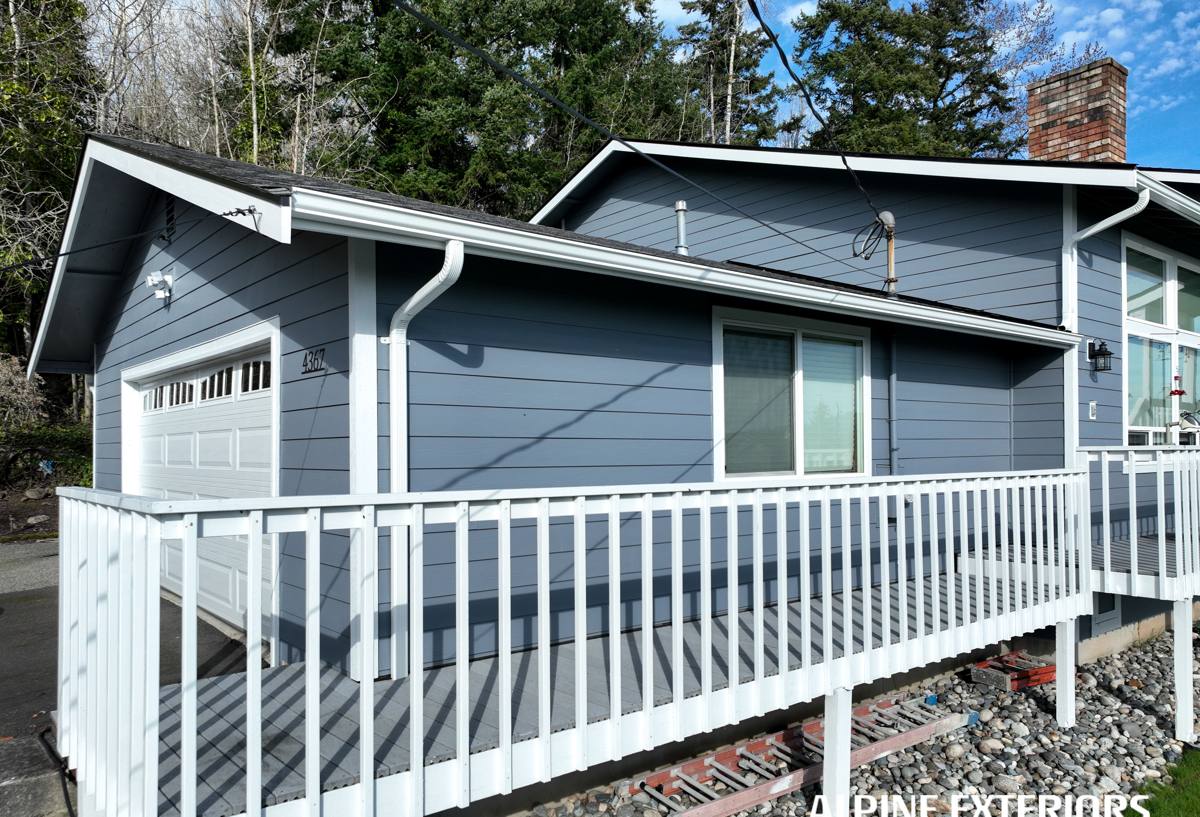
What Salt Air, UV, and Wind Actually Do to a Roof
Salt Air and Corrosion
Airborne salt settles on every exposed surface, including metal flashing, fasteners, vent boots, and drip edges. Over time it accelerates corrosion on anything that isn't rated for coastal exposure, which is why fastener and flashing choice matters more on a barrier island repair than it does a mile or two inland.
UV Exposure
Florida sun breaks down roofing materials from the top down — drying out sealants, embrittling underlayment that's been exposed at penetrations, and fading or curling shingles years before their rated life is up. A roof that looks fine from the ground can already have UV-damaged sealant at every pipe boot and vent.
Wind-Driven Rain
Rain that comes in sideways during a storm doesn't behave like rain falling straight down. It gets pushed up and under shingle edges, into flashing laps, and through any gap that wouldn't leak in normal weather. Most of the "mystery leaks" we get called out for on the beach trace back to wind-driven rain finding a weak point that a calm-weather inspection would miss.
Hurricane-Force Wind
Even outside a named storm, Clearwater Beach gets wind events strong enough to lift shingle tabs, work fasteners loose, and stress flashing at ridges and hips. Repeated wind loading over years is often what turns a small original defect into a real leak.
Signs Your Roof Needs Repair, Not Replacement
Most roofs don't fail all at once — they show warning signs first. On the beach, these signs tend to show up sooner than they would inland because of the combined UV and salt exposure. Worth checking for:
- Missing, cracked, curling, or lifted shingles, especially after a windy stretch
- Granules collecting in gutters or at downspouts
- Water stains on interior ceilings or the tops of walls
- Soft or discolored spots on the roof deck visible from the attic
- Cracked or shrinking sealant around vent pipes, skylights, or chimneys
- Rusted, lifted, or loose flashing at valleys, walls, or roof-to-wall junctions
- Visible daylight through the roof deck from inside the attic
- A leak that only shows up during wind-driven rain, not calm-weather storms
Any one of these can usually be addressed with a targeted repair if it's caught early. Left alone through another storm season, the same issue can spread to the decking underneath and turn a repair into a much bigger job.
What a Correct Repair Actually Involves
Diagnosis Before Anything Gets Touched
The most common mistake in roof repair isn't bad workmanship — it's fixing the spot where water showed up inside instead of where it actually entered the roof. Water can travel along rafters or decking before it drips through a ceiling, so a proper repair starts with tracing the leak back to its real source, not patching the visible symptom.
Matching Materials, Not Just Covering the Spot
A repair should use materials that match the existing roof's type, profile, and, where possible, color — and materials suited to coastal exposure, not just whatever is on the truck. That includes corrosion-resistant fasteners and flashing rather than standard-grade hardware that will start rusting again within a couple of seasons in salt air.
Flashing and Sealant Get Priority
Because flashing failure and dried-out sealant cause a large share of beach-area leaks, a proper repair re-seats or replaces flashing rather than just caulking over a gap. Caulk over a failed flashing joint is a temporary fix at best — it won't hold up to another season of UV and wind-driven rain.
Underlayment and Decking Checked, Not Assumed
If water has been getting in for a while, the underlayment and decking beneath the surface layer may be compromised even if the shingles above look intact. A repair that only replaces the top layer without checking what's underneath risks leaving rot or soft decking in place, which will keep causing problems regardless of how good the surface repair looks.
Repair vs. Replacement: How We Help You Decide
Not every roof problem calls for a full replacement, and not every problem should be patched indefinitely either. The right call depends on the roof's age, how widespread the damage is, and what's happening underneath the surface.
| Factor | Repair Usually Makes Sense | Replacement Should Be Considered |
|---|---|---|
| Extent of damage | Isolated to one area (a valley, a vent, a section of shingles) | Damage spread across multiple sections of the roof |
| Roof age | Roof is within its expected service life | Roof is at or past the end of its expected life |
| Decking condition | Deck is sound underneath | Soft, rotted, or repeatedly wet decking found in multiple spots |
| Leak history | First or isolated leak event | Recurring leaks in different spots over time |
| Storm damage | Limited wind or debris damage to a defined area | Widespread lifted shingles, exposed underlayment, or fastener pull-through |
We'll always tell you honestly which side of that line your roof falls on. If a repair will genuinely hold up, we recommend the repair — a roof that doesn't need replacing yet shouldn't be sold as one.
Our Repair Process on Clearwater Beach
- Inspection. We look at the roof from the top down and, where accessible, the attic from the inside, tracing suspected leaks to their actual entry point rather than just the interior stain.
- Honest diagnosis. We explain what we found, what's causing it, and whether a repair or a larger scope of work is the right call — before any work starts.
- Material match. We source materials that match your existing roof and are appropriate for coastal exposure, including corrosion-resistant fasteners and flashing.
- The repair itself. Flashing, underlayment, decking, and surface material are addressed in that order of priority — not just patched at the surface.
- Cleanup and check. Debris and old materials are cleared, and the repair area is checked once more before we consider the job done.
Why Local Experience on the Beach Matters
Barrier island properties come with a few practical realities that a crew working mostly inland doesn't deal with day to day. Salt air corrodes standard-grade hardware faster, wind exposure ratings and code requirements can differ close to the water, and older beach homes sometimes have roofing details — mixed material types, prior patch jobs, unusual flashing setups — that take experience to read correctly. A crew that regularly works Clearwater Beach and the surrounding Pinellas County coastline knows to check for these things as a matter of routine, not as an afterthought.
There's also the matter of permitting and code compliance. Roof repair work in Pinellas County, including on Clearwater Beach, generally needs to meet current wind-resistance and building code requirements, and certain repairs require a permit. A contractor who does this work regularly in the area already has that process down, which keeps your repair both legitimate and properly documented if you ever need that history for insurance or resale.
After the Repair: Keeping It That Way
A good repair on a Clearwater Beach roof holds up longer with a little basic upkeep, especially given the year-round UV and salt exposure:
- Have gutters and downspouts cleared regularly so water isn't backing up under roof edges
- Rinse accumulated salt residue off the roof surface periodically if it's safe and accessible to do so
- After any significant wind event, do a visual check from the ground for obviously lifted or missing shingles
- Address small sealant or flashing issues promptly rather than waiting for the next storm season
If something looks off, it's almost always cheaper to have it looked at while it's still a small repair than after it's had another hurricane season or two to spread.
If you're noticing a leak, missing shingles, or just want a second opinion on a roof's condition, we're happy to take a look. We offer free, no-pressure estimates for Clearwater Beach roof repairs — use the form below to get started.