 Clearwater Roofing
 Decks Built for What Sunset Point Actually Gets Thrown At
Sunset Point sits close to the water in Clearwater, right in the heart of Pinellas County, and homes here deal with a specific mix of punishment: intense year-round UV, salt-laden air off the harbor, wind-driven rain, and the real possibility of hurricane-force wind in any given season. A deck that would hold up fine in a drier, cooler climate can start failing here within a few years if it wasn't built with these conditions in mind. Building a custom deck for a Sunset Point home means choosing materials, hardware, and framing details specifically for this environment, not just picking whatever's standard everywhere else.
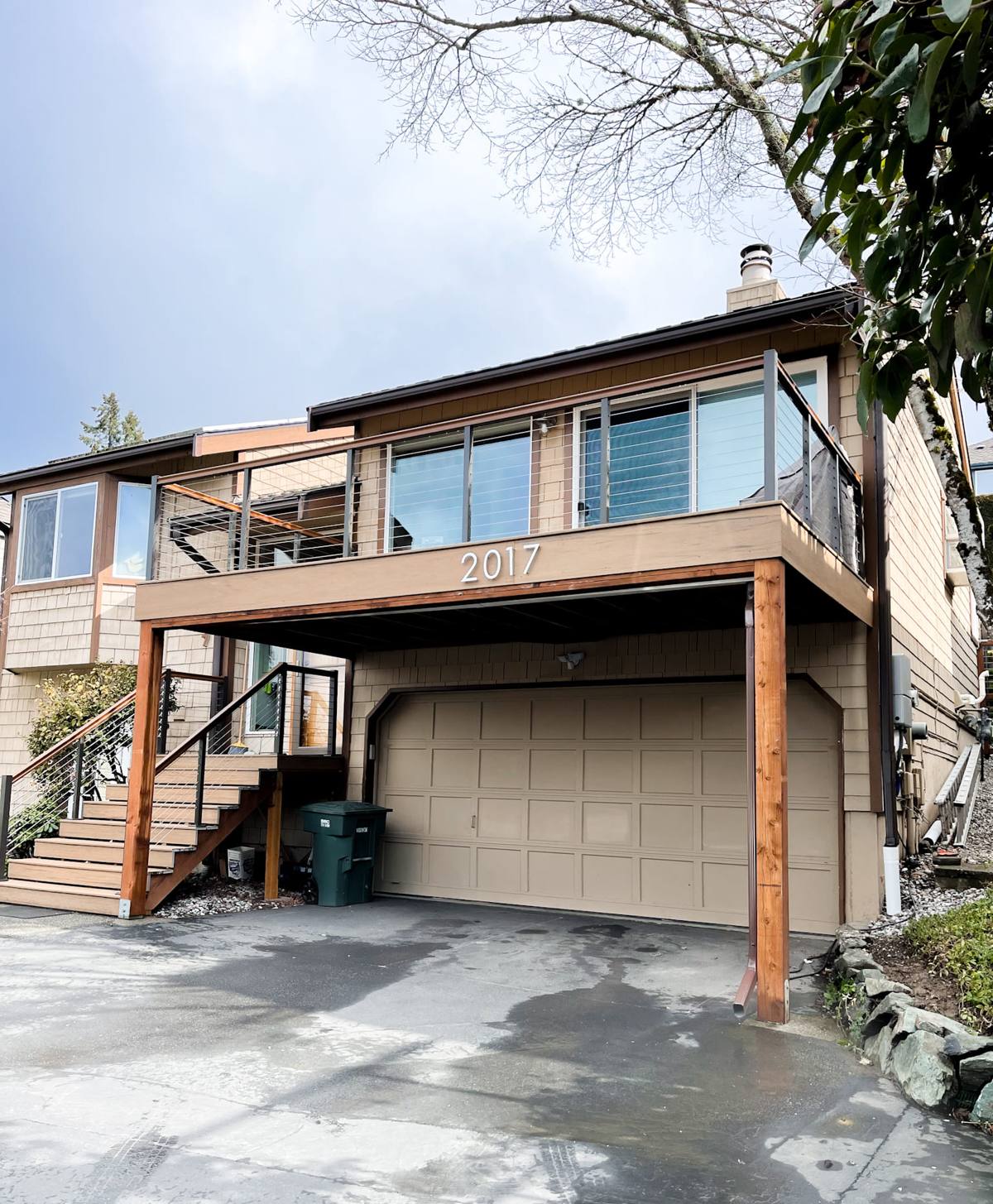
What Local Conditions Actually Demand From a Deck
Salt Air and Corrosion
Homes near Clearwater's waterways sit in a corrosive-air environment even when they're not directly on the seawall. Salt-laden air travels on the breeze and settles on every exposed surface, including the deck's structure. Standard galvanized fasteners and connectors can start streaking, staining, and losing strength well before a wood deck's boards themselves show any wear. This is one of the most common reasons we see failed decks in coastal Pinellas neighborhoods — the boards look fine, but the fasteners and hardware underneath have quietly corroded.
Sun and UV Exposure
Florida sun is intense in every season, not just summer, and a deck with no shade structure takes a steady beating from UV. Wood grays, dries out, and splits faster than it would up north. Lower-grade composite boards can fade or chalk over time if they aren't built with UV-stable capping. Any material choice for a Sunset Point deck needs to account for full, near year-round sun exposure, not just occasional summer heat.
Wind-Driven Rain and Standing Water
Clearwater's storms don't just drop rain straight down — wind pushes it sideways, driving water into places a dry-climate deck design would never need to handle: under railings, behind ledger boards, into fastener heads and joint gaps. A deck built without proper flashing, drainage gaps, and sloped framing will trap water in exactly the spots where rot and corrosion start. Good drainage design matters as much as good materials.
Choosing a Decking Material That Fits This Environment
There's no single "best" decking material for every home — the right choice depends on your budget, how much upkeep you want to do, and how close you are to the water. Here's an honest comparison of the main options we install and repair around Clearwater:
| Material | Upfront Cost | Maintenance | Behavior in Sun & Salt Air | Best For |
|---|---|---|---|---|
| Pressure-treated pine | Lowest | Needs re-sealing every 1-2 years | Grays and can splinter without regular sealing; fasteners are the weak point | Budget-conscious builds, homeowners willing to maintain it |
| Tropical hardwood (e.g., ipe-type species) | High | Periodic oiling to hold color, otherwise very durable | Naturally dense and rot-resistant; handles UV and moisture well | Homeowners who want a premium natural look and will maintain finish |
| Capped composite | Mid-to-high | Low — occasional washing | UV-stable cap resists fading and doesn't absorb moisture like wood | Most Sunset Point homes wanting long-term, low-upkeep performance |
| PVC decking | High | Lowest | Fully synthetic — unaffected by moisture or rot, very stable in heat | Waterfront or high-exposure spots where wood decay is a real concern |
We don't push one product line as a default. Instead we walk through the trade-offs honestly: a wood deck can look beautiful and cost less upfront, but it asks for a real maintenance commitment in this climate. Composite and PVC cost more initially but remove most of the ongoing sealing and staining work — an easy trade for a lot of homeowners who'd rather spend a weekend on the water than refinishing a deck.
Framing, Fasteners, and Footings: Where Decks Actually Fail First
The decking boards get all the attention, but the structure underneath is what determines whether a deck lasts ten years or twenty-five. In a coastal, storm-prone area like Sunset Point, a few details matter more than they would elsewhere:
- Ledger attachment and flashing — where the deck ties into the house needs proper flashing so wind-driven rain can't work its way behind the siding or into the rim joist.
- Fastener and hardware grade — we use stainless steel or coated fasteners rated for coastal exposure, not standard galvanized hardware that corrodes faster in salt air.
- Joist hangers and hurricane connectors — properly sized and fastened metal connectors resist the uplift and racking forces a deck sees in high wind, not just the fasteners themselves.
- Footing depth and post connections — footings need to be sized and set to the depth the local code requires for this wind zone, with solid post-to-beam connections that won't work loose over time.
- Drainage gaps between boards — proper spacing keeps water moving through and off the structure instead of pooling on top of framing members.
A deck can look identical to a neighbor's from the top and still perform completely differently underneath, depending on whether these details were handled correctly the first time.
Permits, Wind Load, and Local Code Review
Clearwater and Pinellas County require permits for custom deck construction, and for good reason — this area falls under Florida Building Code wind provisions that are stricter than most of the country, given our hurricane exposure. Permit review typically checks footing depth and spacing, structural connections, railing height, and baluster spacing for fall protection, especially on elevated decks. If your home is close to the water, elevation and setback requirements may also come into play.
Skipping the permit process, or hiring a crew that cuts corners on it, isn't just a paperwork risk — it can mean a deck that doesn't hold up structurally in the next storm, and it can create real problems if you ever sell the home and an inspection turns up unpermitted work. A properly permitted deck gives you a paper trail showing the work was reviewed and inspected to current code.
How We Build Your Deck
Every custom deck project follows the same basic sequence, though the details vary by lot and design:
- Site visit and design conversation — we look at your yard, sun exposure, proximity to water, existing structure, and how you actually want to use the space, then talk through material and layout options.
- Engineering and permitting — we prepare the plans needed for Pinellas County or City of Clearwater permit review, sized to current wind load and structural requirements for your property.
- Framing and structural work — footings, posts, beams, and joists go in first, with the fastener grade and connector hardware suited to this coastal environment.
- Decking, railings, and finish work — your chosen decking material, railing system, and any stairs or built-ins are installed to complete the structure.
- Final walkthrough and inspection — we go over the finished deck with you and make sure all required inspections are signed off before we call the job done.
We keep you in the loop at each stage, especially around permit timing, since that step is largely outside our control but affects the overall schedule.
Protecting Your Investment: Deck Maintenance in a Coastal Climate
Even a well-built deck needs some ongoing attention in this climate. A simple annual routine goes a long way toward getting the full lifespan out of your investment:
- Rinse the deck surface periodically to remove salt residue, pollen, and organic buildup before it embeds in the material.
- Check fastener heads and hardware for corrosion or staining, especially after storm season.
- Reseal or re-stain wood decking on the schedule your material calls for — don't wait until it's visibly gray and dry.
- Inspect railings and stair connections for looseness after any major storm event.
- Keep gaps between boards clear of debris so water and airflow can do their job.
- Trim back any vegetation that keeps the deck surface shaded and damp for long stretches, which slows drying and invites mildew.
Why Hire a Crew That Already Works in Sunset Point
A deck contractor who's already worked in this specific part of Clearwater brings something a crew from farther away can't easily match: familiarity with how local lots are laid out, how permitting review typically goes with the county and city, and what actually holds up against this stretch of Pinellas County's climate versus what looks good on paper. That local track record matters when it comes to getting inspections scheduled efficiently, sizing a deck correctly for tight or waterfront lots, and knowing which material and hardware choices are worth the extra cost here versus which ones are unnecessary upsells.
When you're vetting a contractor for a project like this, ask directly about their experience with permitted deck work in Clearwater, how they handle fastener and hardware selection for coastal exposure, and whether they carry the licensing and insurance required to pull permits in Pinellas County. A straight answer to those questions tells you a lot more than a glossy portfolio.
If you're thinking about a custom deck for your Sunset Point home, we're happy to walk your property, talk through material and design options honestly, and give you a free, no-pressure estimate — just fill out the form below to get started.