 Clearwater Roofing
 Building a Deck in Del Oro: What the Local Climate Actually Demands
Del Oro sits close enough to the Gulf that homes here deal with a specific mix of weather stress most inland decks never see: intense, near-constant UV that fades and dries out finishes, wind-driven rain that finds every gap in a poorly built structure, salt-laden air that corrodes hardware faster than most homeowners expect, and the occasional hurricane-force wind event that tests every connection in the frame. A deck built without those four factors in mind will show problems within a few seasons — not decades.
That's not a reason to avoid building outdoor living space. It's a reason to build it correctly the first time. A well-designed deck in this part of Clearwater can hold up for decades, but only if the framing, fasteners, and material choices account for the environment instead of following a generic build spec pulled from a cooler, drier climate.
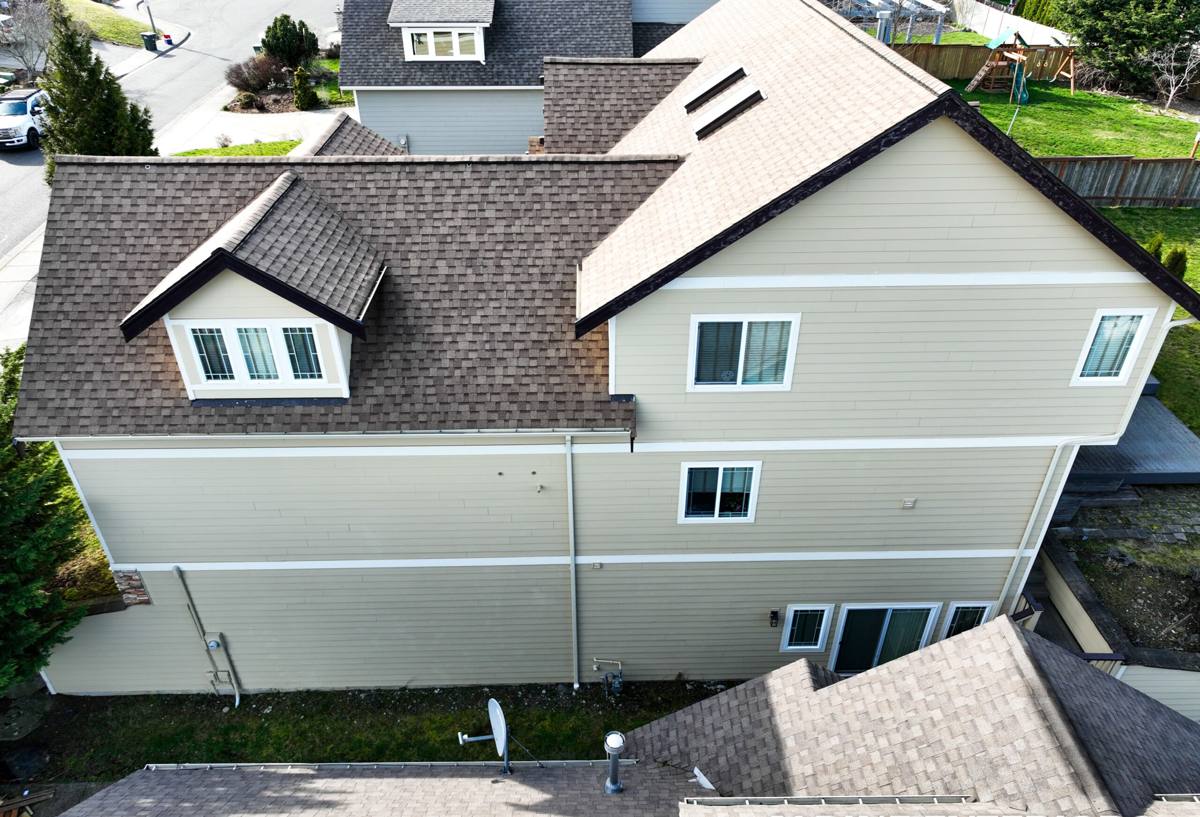
What a Correctly Built Deck Involves Here
Framing and Footings Sized for Wind Uplift, Not Just Weight
Most deck framing is designed to hold weight pushing down. In a coastal wind zone, the bigger structural concern is uplift and lateral load during storm-force gusts. That means footings sized and set to local frost-free, soil-bearing depth requirements, post bases anchored (not just resting), and hurricane ties or uplift connectors at key framing joints rather than relying on nails alone. A deck that only resists gravity is a deck that can shift or separate from the house during a bad wind event.
Fasteners and Hardware That Won't Corrode
Salt air accelerates corrosion on standard fasteners far faster than most homeowners realize, and rusted or weakened hardware is one of the most common failure points we see on older decks in this area. Correct practice is stainless steel or heavy hot-dip galvanized fasteners rated for coastal exposure, and matching metals where possible to avoid galvanic corrosion between dissimilar hardware. Cutting corners here doesn't show up on day one — it shows up as rust streaks and loose connections two or three years in.
Moisture Management Under and Around the Deck
Wind-driven rain and Florida humidity mean a deck needs to shed water and breathe, not trap it. That includes proper ledger board flashing where the deck meets the house, gapping between boards for drainage and airflow, keeping structural wood off grade, and grading or drainage beneath the deck so water doesn't pool against posts and footings. Skipping ledger flashing is a small shortcut that leads to a big, expensive repair later — often hidden until the rot has already spread into the house framing.
Choosing the Right Decking Material for This Environment
There's no single "best" decking material for every homeowner — it depends on budget, maintenance tolerance, and how the deck will be used. But in a salt-air, high-UV, high-humidity environment, some trade-offs matter more than they would inland.
| Material | Upfront Cost | Maintenance | Salt Air / Moisture Behavior | Typical Lifespan |
|---|---|---|---|---|
| Pressure-Treated Wood | Lowest | Annual sealing/staining required | Prone to splintering, graying, and fastener corrosion without upkeep | 10-15 years with regular maintenance |
| Tropical Hardwood | High | Periodic oiling to maintain color | Naturally dense and rot-resistant, but still needs UV protection | 20-25+ years with upkeep |
| Capped Composite | Mid-High | Occasional washing, no sealing/staining | Resists moisture and salt exposure well; cap layer blocks fading and staining | 25-30 years |
| PVC Decking | Highest | Lowest — wash as needed | Fully synthetic, does not absorb moisture; best resistance to salt and humidity | 30+ years |
We'll walk through these trade-offs honestly during your estimate rather than steering everyone toward the most expensive option. A tropical hardwood deck oiled on schedule can outperform a neglected composite deck, and a mid-range capped composite is often the practical middle ground for homeowners who want low maintenance without the PVC price tag.
Our Process for a Del Oro Deck Project
Site Visit and Design
We start on-site, not over the phone. We look at how the house is oriented to sun and prevailing wind, existing drainage patterns, soil conditions, and how the space will actually be used — dining, grilling, lounging, pool access — before drawing up a layout. Custom decks work best when the design follows how the family actually lives outside, not a generic rectangle.
Permitting and Wind-Rating Compliance
Deck construction in Clearwater and unincorporated Pinellas County requires a permit, and elevated or multi-level decks typically require engineered plans that meet current Florida Building Code wind-load requirements for this coastal wind zone. We handle the permit submission and inspection scheduling as part of the build — this isn't an optional add-on step, it's how the work gets signed off as done correctly.
Construction and Inspections
Framing, footings, and structural connections go in first and get inspected before decking, railing, or finish work covers them up. This is the stage where corners get cut on rushed jobs, because it's the stage nobody sees once the deck is finished. We build it the same way whether or not an inspector is scheduled to look, because it's the part that actually determines whether the deck survives a storm season.
Final Walkthrough
Before we consider the job done, we walk the finished deck with you — checking board spacing, railing security, stair rise/run, and finish quality — and go over the maintenance schedule specific to the material you chose.
Problems We Commonly Find on Existing Decks We're Asked to Repair or Replace
A good share of our deck work in this area isn't new construction — it's fixing or replacing decks that were built without the coastal environment in mind. The recurring issues:
- Ledger boards attached to the house without proper flashing, leading to hidden rot behind the rim joist
- Standard (non-coastal-rated) fasteners that have rusted and weakened structural connections
- Footings undersized for the deck's actual load and wind exposure
- Decking boards installed with no expansion gap, causing cupping, buckling, or splitting as the material moves with humidity and heat
- Railings that meet code height but were never engineered for lateral load, leaving them loose or wobbly within a year or two
None of these are visible from the surface until something fails. If your deck was built more than a few years ago and you're not sure what's underneath the boards, it's worth having someone check the framing before it becomes a safety issue rather than a maintenance item.
Maintaining a Deck in Salt Air and Year-Round Sun
Whatever material you choose, a coastal Florida deck needs a maintenance rhythm that's more consistent than what's needed further inland. A simple seasonal checklist:
- Rinse the deck surface periodically to remove salt residue, especially after storms with onshore wind
- Inspect fasteners and metal connectors annually for early rust or corrosion, particularly near the coast-facing side
- Reseal or restain wood decking on the schedule the product calls for — don't wait until it's visibly gray and dry
- Keep gutters and downspouts clear so runoff isn't dumping extra water onto or under the deck
- Check railing posts and stair connections for looseness after major wind events
- Clear leaves and debris from between boards so moisture isn't trapped against the surface
Why Hiring a Crew That Already Works in Del Oro Matters
A deck built to a generic national spec sheet isn't necessarily built for this specific combination of humidity, salt exposure, and wind zone. A crew that regularly works in and around Del Oro already knows the local permitting process, the wind-load requirements that apply here, and which fastener and framing details actually hold up in this environment versus which ones look fine on a spec sheet but fail early on the coast. That familiarity also means faster response if a punch-list item or a post-storm check comes up — we're not driving in from across the county to take a look.
Permits, Codes, and What "Custom" Should Mean
"Custom deck" should mean a design built around your yard and how you use it — not a shortcut around code requirements. In Pinellas County and the City of Clearwater, that means a permitted build meeting current Florida Building Code wind provisions, with footings and framing engineered for both the load on the deck and the wind zone it sits in. A contractor who skips permitting to save time is skipping the inspection process that catches structural mistakes before they're covered up — that's not a shortcut worth taking on a structure your family will be standing on.
If you're weighing a new deck for a Del Oro-area home or want a second opinion on one that's already showing its age, we're happy to take a look and give you a straightforward, no-pressure estimate — just fill out the form below.