 Clearwater Roofing
 Why Dunedin Windows Work Harder Than Most
Dunedin sits on the Pinellas County coastline, close enough to the Gulf and St. Joseph Sound that salt air, humidity, and storm exposure are part of daily life for every home in town. Windows here aren't just letting in light — they're a structural barrier against hurricane-force wind gusts, wind-driven rain that gets pushed sideways during a squall, and some of the most intense year-round UV in the continental United States. A window that would hold up fine in a drier, calmer climate can start failing in Dunedin within a few years if it wasn't built or installed with that exposure in mind.
That's the core difference between a generic window swap and a custom window job done right for this area. It's not about upgrading to something fancier — it's about matching the frame material, glass package, and installation method to what Pinellas County actually throws at a house.
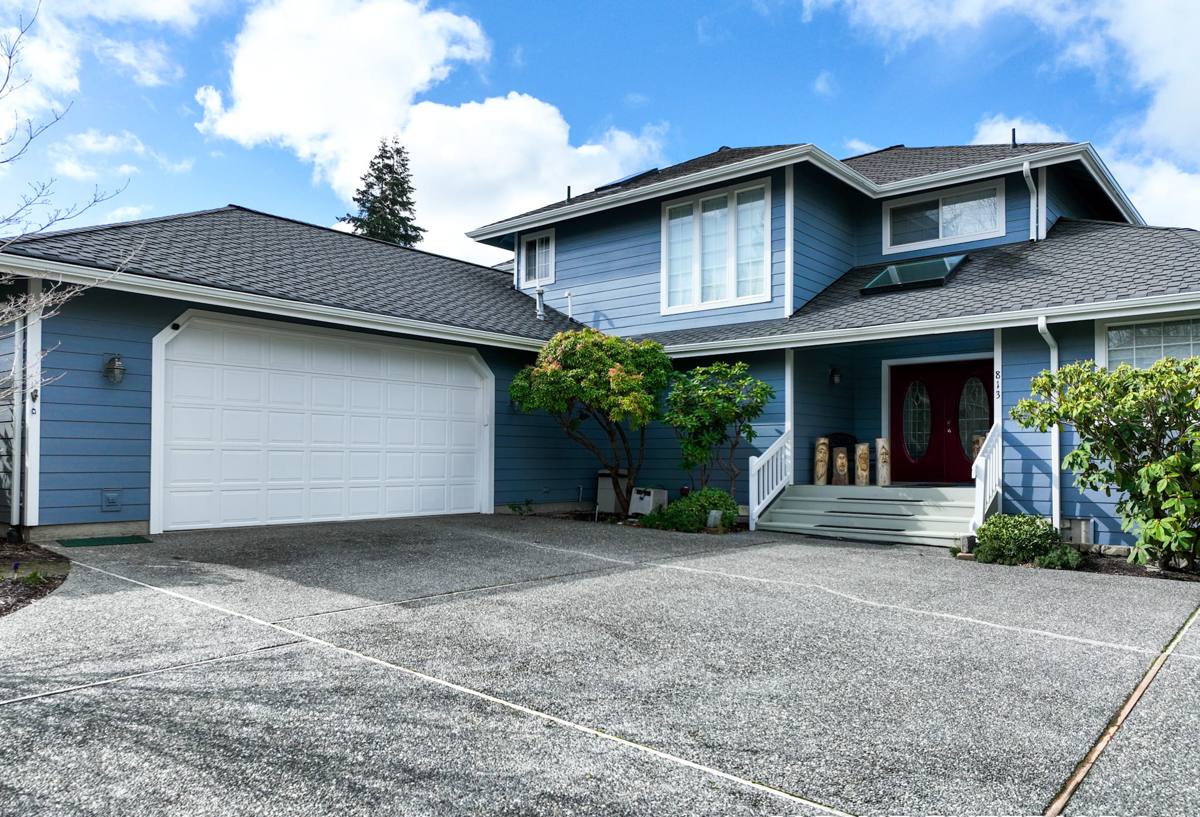
What "Custom" Actually Means Here
A lot of homeowners hear "custom windows" and assume it's a marketing term. In practice, it means a few concrete things:
Exact Openings, Not Standard Sizes
Many homes in and around Dunedin were built decades apart, in different eras with different framing standards. Rough openings are rarely a perfect match for off-the-shelf window sizes, especially in older construction. Custom windows are built to the actual measured opening, which means no gaps to shim, pack, or caulk over — and no compromises on how the window seals or operates.
Matching the Home's Architecture
Coastal Florida homes range from older block construction to newer builds, and window style should follow the house — grid patterns, frame color, and sightlines that look intentional rather than bolted on.
Performance Specs Chosen for the Site
A window on a west-facing wall with full afternoon sun needs a different glass package than one tucked under an eave. Custom orders let us dial in the glass coating, tint, and impact rating per opening instead of using one spec for the whole house.
Signs Your Current Windows Are No Longer Doing Their Job
Window failure in this climate is usually gradual — small issues that compound until a storm or a summer heat wave exposes the problem. Homeowners considering replacement in Dunedin typically notice one or more of the following:
- Fogging or a permanent haze between the panes (a sign the seal has failed and the insulating gas has escaped)
- Frames that feel soft, chalky, or discolored, especially on the exterior side facing the water or afternoon sun
- Difficulty opening, closing, or locking — often from swollen frames or corroded hardware
- Noticeable drafts or a whistling sound during windy conditions
- Water staining on the interior sill or wall after wind-driven rain
- A visible spike in cooling costs during summer months with no other explanation
- Cracked or chipped glazing putty, or caulk that's pulled away from the frame
Any one of these is worth a look. Several together usually mean the windows are past the point where caulk and hardware repairs will hold.
Frame Materials and Glass, Compared
There's no single "best" window for every Dunedin home — it depends on budget, sun exposure, and how close the property sits to open water. Here's how the common options generally compare in a salt-air, high-UV environment:
| Option | Salt Air Durability | Maintenance | Best Fit |
|---|---|---|---|
| Vinyl frame | Good — won't corrode, but can discolor over years of UV exposure | Low; occasional cleaning | Most residential replacements, budget-conscious projects |
| Aluminum frame | Fair — strong, but prone to pitting/corrosion near the immediate coastline without proper coatings | Moderate; may need repainting or sealing over time | Homes further from direct salt exposure, modern/impact-frame designs |
| Fiberglass/composite frame | Very good — dimensionally stable, resists corrosion and UV degradation well | Low | Homeowners prioritizing longevity over upfront cost |
| Laminated impact glass | Excellent — glass itself doesn't corrode; holds up to debris impact | Low | Homes needing wind-borne debris protection without shutters |
| Standard annealed glass | Poor for storm exposure — no impact resistance | Low | Not recommended for exposed elevations in this area |
We walk through these trade-offs with every homeowner rather than defaulting to one product for every job. The right choice on a shaded, inland lot can be the wrong choice on an open, water-facing elevation a few blocks away.
Meeting Pinellas County's Wind Requirements
Florida's building code requires windows in wind-borne debris regions — which includes Pinellas County — to either be impact-rated or paired with code-approved protection, such as compliant shutters, when replaced. This isn't optional paperwork; it's a life-safety requirement tied to how the whole building envelope performs in a storm. A window that isn't rated for the pressures and debris impact your zone requires can compromise the roof and structure around it if it fails during high wind, since a breached window lets pressure build up inside the house.
Permitting for window replacement in Dunedin and unincorporated Pinellas County goes through the appropriate local building department, and the permit process verifies the product's approval rating matches what your home's location and exposure require. We handle that permitting and product documentation as part of the job — it's not something a homeowner should have to sort out alone.
How We Handle a Custom Window Project
1. On-Site Assessment and Measurement
We look at each opening individually — framing condition, current flashing, sun exposure, and any water intrusion history — before recommending products. Measurements are taken precisely since custom units are built to fit, not adjusted after the fact.
2. Product Selection
We go over frame material, glass package, and impact rating options for the specific elevation, with honest trade-offs on cost, maintenance, and performance — not a single default package pushed on every job.
3. Permitting
We pull the required permit and make sure the products specified meet the wind and impact requirements for your address before installation begins.
4. Removal and Installation
Old units are removed carefully to protect surrounding stucco, siding, or trim. New windows are set plumb and level, properly shimmed, and mechanically fastened per the manufacturer's installation instructions — which is what keeps the impact rating valid.
5. Flashing, Sealing, and Inspection
Proper flashing and sealant go in around the frame to manage water, not just caulk smeared over the gap. The job is then inspected to confirm it meets code before we consider it finished.
Installation Details That Actually Prevent Leaks
A high-quality window installed poorly will leak and underperform, and a mid-range window installed correctly will often outlast it. The details that matter most in Dunedin's climate:
- Weather-resistant barrier and flashing integrated correctly with the existing wall assembly, not just caulked over
- Sealant rated for sun and moisture exposure, applied per manufacturer specification, not just "enough to fill the gap"
- Proper shimming so the frame isn't under stress, which affects how the window operates and seals over time
- Weep holes and drainage paths left clear so any water that does get in can escape instead of pooling in the frame
- Fasteners and anchoring that match the tested and approved installation method for that specific product's impact rating
Common Installation Mistakes We See on Older Work
When we're called out to look at a leaking or failing window that was installed by someone else, the cause is almost always one of a few things: gaps in the flashing, sealant used as a substitute for proper flashing, fasteners that don't match the tested installation method, or a frame that was never actually shimmed square. None of these show up on day one — they show up two or three storm seasons later, which is exactly why installation quality matters more here than in a milder climate.
Living With Custom Windows Near the Water
Even a well-built, well-installed window benefits from basic upkeep in a salt-air environment. Rinsing exterior frames and tracks periodically helps clear salt residue before it can accelerate corrosion on hardware and hinges. Weep holes should stay clear of debris so water drains as designed. Sealant and caulk lines are worth a visual check each year, since UV exposure breaks down even good sealant faster here than inland. None of this is heavy maintenance — it's the kind of five-minute check that adds years to a window's service life on the coast.
Why Local Installation Experience Matters
Window installation isn't just a product spec — it's a trade skill, and skill shows up most in how a job holds up during its first real storm season. A crew that regularly works in Dunedin and the surrounding Clearwater area already knows the local permitting process, the wind and impact requirements for this part of Pinellas County, and the kinds of framing and construction found in homes here. That familiarity shortens the guesswork and reduces the chance of a mismatched product or a shortcut in the flashing detail that only shows up after the next hurricane season.
If your windows are original to the home, showing wear, or you're planning ahead of storm season, it's worth having them looked at before a small issue becomes a bigger repair. We're happy to walk the property, look at what's there, and give you a straightforward, no-pressure estimate on custom windows built for Dunedin's climate — just fill out the form below to get started.