 Clearwater Roofing
 Storm Damage Roof Repair for Dunedin Homes
Dunedin sits on the Gulf side of Pinellas County, just north of Clearwater, and that location means local roofs take a specific kind of beating. Homes here face onshore wind gusts during frontal passages and tropical systems, sideways rain that gets pushed under shingles and flashing, salt-laden air that accelerates corrosion on metal components, and some of the most intense year-round UV exposure in the continental United States. None of that is unique to any one storm event — it's the baseline condition a Dunedin roof lives under every year, and it's why storm damage here often looks different from storm damage inland.
This page covers what storm damage roof repair actually involves for a Dunedin property, what we look for, and how we approach the work so it holds up through the next system, not just until the next inspection.
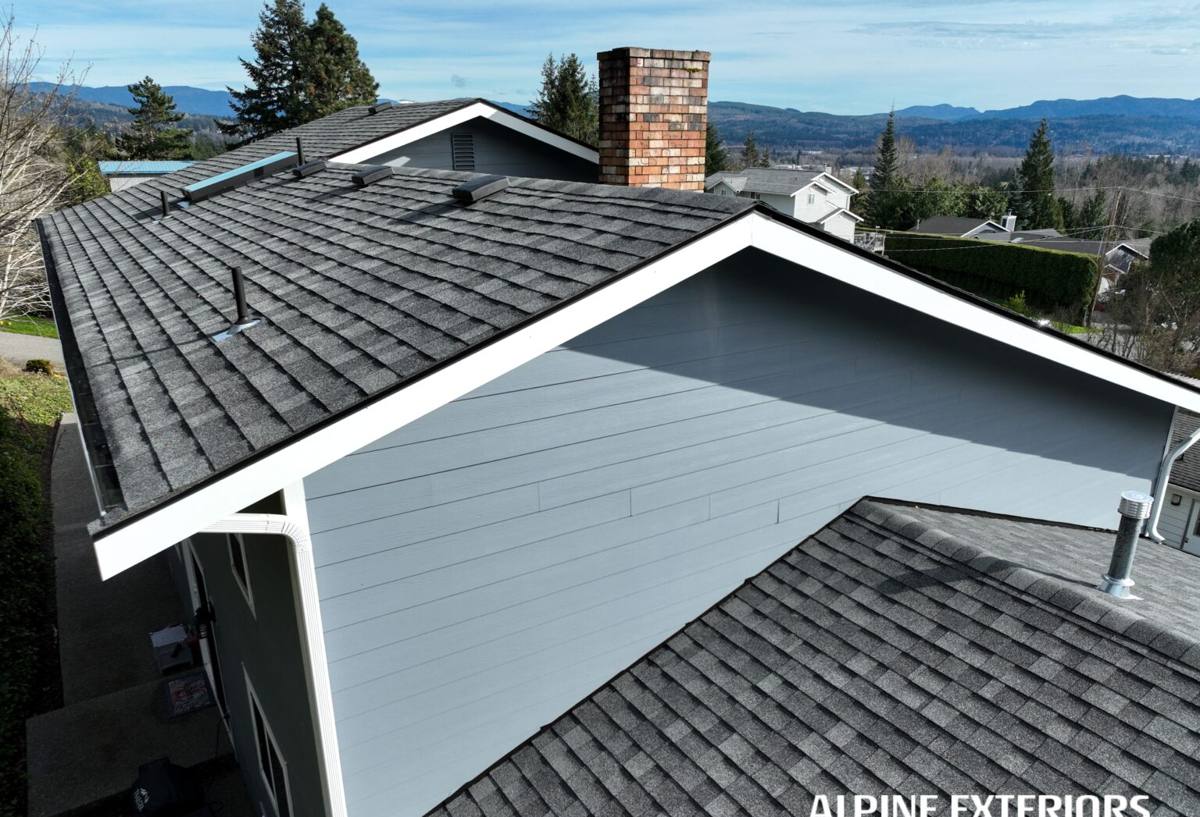
What Coastal Pinellas Weather Does to a Roof
Wind is the main driver of storm damage in this part of Florida, but wind rarely acts alone. A few patterns show up repeatedly on roofs we inspect after storms in the Dunedin and Clearwater area:
Wind Uplift and Shingle Loss
Sustained gusts and gust fronts lift shingle tabs and, over time, break the adhesive seal strips that hold shingles flat. Once that seal is broken, even moderate wind on a later, calmer-looking day can finish the job. This is why a roof can look intact right after a storm and then lose shingles weeks later during an ordinary afternoon squall.
Wind-Driven Rain Intrusion
Rain that comes in nearly horizontal during a strong system doesn't behave like normal rainfall. It gets forced up and under shingle edges, around vent boots, and behind flashing that would otherwise shed water fine. A roof can pass a casual visual check and still be actively leaking into the deck.
Salt Air Corrosion
Being close to the Gulf means airborne salt reaches roofing metal — flashing, fasteners, drip edge, vent stacks — faster than it would further inland. Corroded fasteners back out, and corroded flashing seams open up, both of which turn a small storm event into a leak point.
UV Breakdown
Florida's UV load bakes the asphalt oils out of shingles and dries out sealant and rubber boot flashings over time. Materials that are already UV-brittle fail at wind speeds and rain volumes that a newer roof would shrug off, which is a big reason two roofs of similar age can come through the same storm very differently.
Signs of Storm Damage on a Dunedin Roof
Some storm damage is obvious. A lot of it isn't, especially from the ground. After any significant wind or rain event, it's worth checking for the following:
- Missing, torn, or curled shingles, especially near roof edges, ridges, and hips where wind pressure concentrates
- Granules collecting in gutters or at downspout outlets — a sign the shingle surface is wearing or was impact-damaged
- Lifted or bent flashing around chimneys, skylights, and where the roof meets a wall
- Cracked or displaced pipe boots and vent covers
- Water stains on interior ceilings or in the attic, particularly near exterior walls or penetrations
- Soft spots or visible sagging when walking the roof (a sign of deck damage, not just surface damage)
- Debris impact marks — dents or bruising from wind-blown branches or debris common in coastal wind events
- Loose or ticking sounds during wind, which often means underlayment or decking has come loose
Any one of these on its own might be minor. Several together, or anything paired with an active interior leak, means the roof needs a proper inspection, not a guess from the driveway.
What a Correct Storm Damage Repair Actually Involves
Storm repair done right isn't just replacing what's visibly missing. A repair that only patches the obvious spot often leaves the underlying cause — a compromised seal, a corroded fastener, a section of underlayment that got soaked — in place to fail again in the next system. A proper repair includes:
Full-Area Inspection, Not Spot-Checking
We look at the whole roof plane the damage occurred on, not just the immediate spot, because wind uplift and wind-driven rain rarely stay confined to one shingle or one flashing seam.
Deck Inspection Where Water Intruded
If water reached the decking, we check for soft or delaminated plywood before closing anything back up. Repairing over damaged decking just moves the problem underneath the new material.
Underlayment Assessment
Underlayment that got saturated during the storm doesn't always dry out cleanly and can stay compromised even after the surface looks fine again. Any affected section gets addressed, not just covered.
Flashing and Penetration Repair
Flashing, pipe boots, and vent seals are common failure points in coastal wind events and are checked and resealed or replaced as part of the repair, not left for a separate visit.
Matching Materials and Fastening Method
Repairs are tied into the existing roof system with compatible materials and proper fastening patterns so the repaired section performs the same as the rest of the roof under wind load, rather than becoming the next weak point.
Repair vs. Replacement: What Actually Drives the Decision
Not every storm-damaged roof needs full replacement, and not every roof that looks rough from the ground is actually a repair candidate. The honest answer depends on a handful of factors:
| Factor | Favors Repair | Favors Replacement |
|---|---|---|
| Roof age | Under roughly 10–12 years | Nearing or past expected service life |
| Damage extent | Isolated to one or two areas | Spread across multiple roof planes |
| Deck condition | Solid, no rot or delamination found | Soft spots or repeated water intrusion found |
| Shingle condition elsewhere | Remaining shingles still flexible, granules intact | Widespread granule loss or brittleness from UV wear |
| Insurance scope | Adjuster scope matches localized damage | Adjuster or engineer finds wind uplift across the field |
We'll tell you honestly which side of that table your roof falls on. If a repair is the right call, we do a repair. There's no benefit to either of us in replacing a roof that doesn't need it.
Our Process for a Dunedin Storm Repair
- Inspection and documentation. We walk the roof (weather permitting) and document the damage with photos, which also supports any insurance claim you may file.
- Written scope and honest recommendation. You get a clear explanation of what's damaged, what caused it, and whether repair or replacement is the right call — in plain terms, not a sales pitch.
- Temporary protection if needed. If a roof has active leaking or exposed decking, we prioritize getting it weathertight before the next rain, even if the full repair is scheduled for later.
- Repair work. Deck, underlayment, flashing, and shingle or roofing material work performed to match the existing system and current code requirements.
- Final walkthrough. We review the completed work with you and confirm the repair area, not just the patch, is sound.
Working With Your Insurance Claim
Storm damage repairs are frequently tied to a homeowner's insurance claim, and how the roof is documented matters. We provide detailed photo documentation and a clear written scope of the damage we find, which you can submit with your claim or share with your adjuster. We don't handle the claim negotiation itself — that's between you and your carrier — but we make sure the roof side of the paperwork is accurate and thorough, and we'll explain what we're seeing in terms that hold up to adjuster scrutiny.
Why a Crew That Already Works Dunedin Matters
Dunedin has a mix of roof ages and construction types, from older homes closer to downtown to newer builds nearer the water, and the right repair approach isn't identical across all of them. A crew that regularly works Dunedin and the wider Clearwater area knows the difference between damage patterns typical of an older roof reaching the end of its service life versus fresh wind or hail damage on a newer one, and knows how local building department requirements apply to repair work in Pinellas County. That familiarity means fewer surprises mid-repair and a scope that's accurate the first time, instead of a second visit to catch something that should have been flagged upfront.
It also means faster response after a storm. When wind or heavy rain moves through the area, being a roofing crew that's already local — not one dispatched in from outside the county after major storms — means shorter wait times for inspection and temporary protection when a roof is actively leaking.
Materials We Use and Why
For storm repairs on the Gulf side of Pinellas County, we favor roofing materials and fastening methods rated for high-wind performance and proven in coastal salt-air conditions, over materials that look similar but carry a lighter wind rating or more maintenance-sensitive installation. On repairs, we match existing materials wherever it makes sense for warranty and appearance, and we're upfront when a mismatch in age or product availability means a full replacement will look and perform better than a patched-together repair. Our standard is a repair that holds up to the next wind event, not just one that looks finished on the day we leave.
If you're dealing with storm damage on a Dunedin roof, or you just want an honest inspection after a recent system came through, we're glad to take a look. Fill out the form below for a free, no-pressure estimate — we'll tell you exactly what we find and what we'd recommend, whether that's a repair or nothing at all.