 Clearwater Roofing
 Downtown Clearwater's Siding Has a Tougher Job Than Most
Homes near downtown Clearwater sit close enough to Clearwater Harbor and the Gulf that the exterior takes on a different kind of wear than a house twenty miles inland. Salt-laden air moves through the area constantly, not just during storms, and it settles on every exterior surface — siding, trim, fasteners, hardware. Add in Pinellas County's intense year-round UV exposure, sudden wind-driven rain squalls that blow in sideways off the water, and the real chance of hurricane-force wind loads during storm season, and you have an exterior environment that will find every weak point in a siding system within a few years, not a few decades.
That combination is why we treat siding on downtown Clearwater homes as a coastal-exposure job, not a standard residential re-side. The material choice, the fastening schedule, the flashing details, and even the caulk we use all get selected with that exposure in mind.
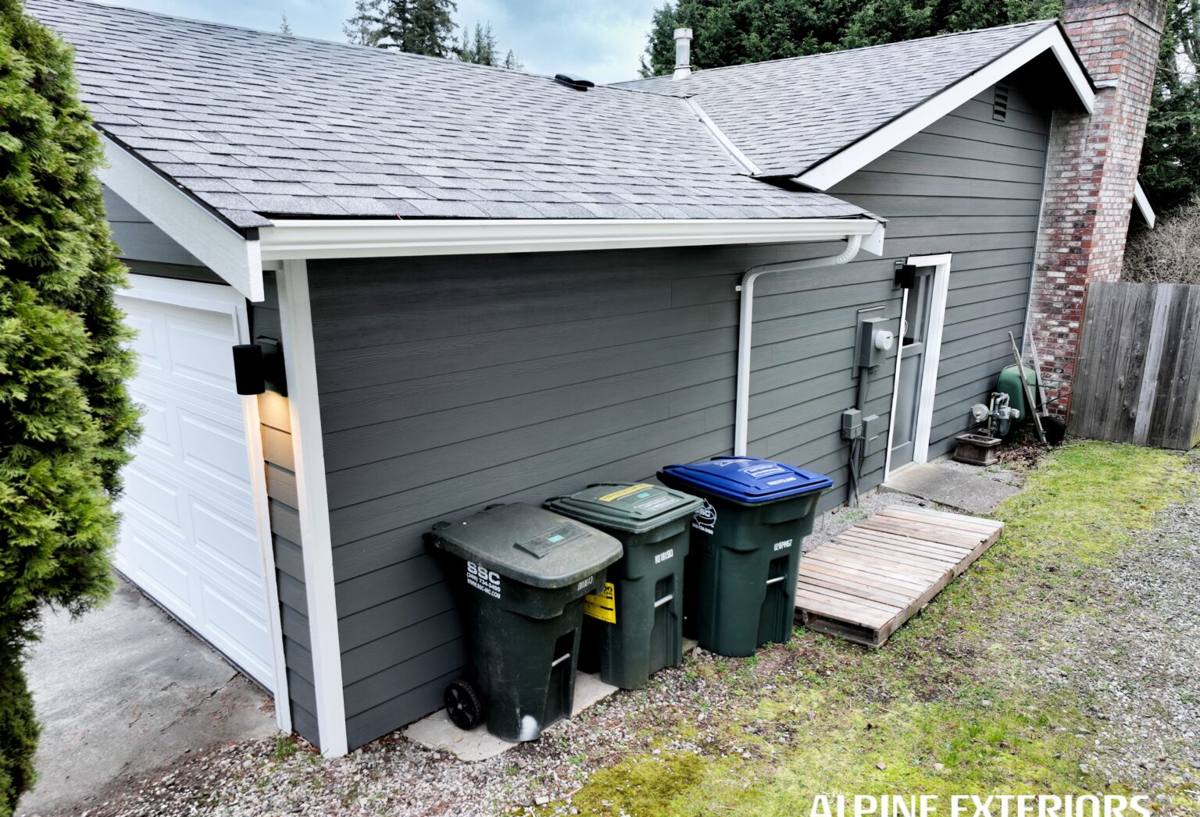
What This Climate Actually Does to Siding
Salt Air
Airborne salt is corrosive to metal and abrasive to painted or coated surfaces over time. On siding systems that rely on cardboard-backed composite panels or untreated wood substrates, salt-laden moisture speeds up delamination and rot from the inside out — often before any damage is visible from the street.
UV Load
Florida sun is harder on painted exteriors than most of the country experiences. Standard field-applied paint chalks, fades, and breaks down faster here, which means more frequent repainting cycles and more opportunities for moisture to get behind a compromised paint film.
Wind-Driven Rain
It's not just rainfall totals — it's the angle. Wind-driven rain gets pushed sideways into every seam, joint, and penetration in the siding. A system that isn't detailed correctly at the laps, corners, and around windows and doors will take on water long before the siding itself fails.
Hurricane-Force Wind
Wind uplift and impact from wind-borne debris are real structural loads on siding, not cosmetic concerns. Fastening pattern, nail penetration, and panel engineering all matter far more here than they would in a low-wind-zone market.
Why We Install Only James Hardie Fiber Cement
We install James Hardie fiber cement siding exclusively — we do not install vinyl, LP SmartSide, primed wood, cedar, or other fiber cement brands. That's a deliberate standard, not a sales preference, and it comes directly from what holds up in a Gulf Coast exposure like downtown Clearwater's.
- Non-combustible core: fiber cement won't melt, warp, or ignite the way vinyl and some composite products can under radiant heat or ember exposure.
- Engineered for humid, coastal climates: Hardie's HZ10 product line is specifically formulated for Florida's high-moisture, high-UV, hurricane-prone regions, with a different moisture and durability profile than the standard HZ5 line sold in drier states.
- Factory-applied ColorPlus finish: the color and protective coating are baked on at the factory under controlled conditions, not brushed on in the field. That finish resists the fading and chalking that Florida UV causes on standard field-painted siding.
- Dimensionally stable: fiber cement doesn't expand and contract with humidity swings the way wood and some composites do, which means fewer popped fasteners and less joint movement over time.
- Backed by a real transferable warranty: Hardie's warranty structure is well established and transfers to a new owner if the home sells, which matters to buyers and appraisers in a market like this one.
None of that means other products are junk — vinyl is inexpensive and easy to source, and LP SmartSide has genuine fans. But in a downtown Clearwater exposure specifically — salt air, sun, storm wind — we've made fiber cement engineered for this climate our floor, not our upsell.
What a Correct Installation Actually Involves
Fiber cement siding is only as good as the installation behind it. A rushed or generic install on a coastal home in this area is where most premature failures start — not the material itself. Correct installation for this climate includes:
- Proper clearance between the bottom of the siding and roofing, decking, or grade — typically a minimum of 6 inches from grade and 2 inches from roof surfaces — to keep splash-back moisture off the panel edges.
- A code-compliant water-resistive barrier and correctly lapped flashing at every window, door, and penetration, installed before a single piece of siding goes up.
- Corrosion-resistant, stainless or hot-dip galvanized fasteners set to the manufacturer's nailing pattern — critical in a high-wind, salt-air zone where the wrong fastener corrodes and loses holding power.
- Fastener spacing and embedment matched to the wind zone requirements for this part of Pinellas County, not a generic national default.
- Correctly sized gaps at butt joints and trim, filled with a high-quality, paintable, flexible sealant rated for exterior coastal use — not just caulked shut, which traps moisture.
- Factory-finished cut edges sealed in the field per Hardie's specifications, since an unsealed cut edge is one of the few places the factory coating doesn't already protect the substrate.
Skip any one of these steps and the siding can still look fine for a year or two — the failures in this climate tend to show up as swelling, staining, or soft spots two to five years in, once moisture has had time to work behind the panel.
How Our Process Works on Downtown Clearwater Homes
1. On-Site Assessment
We walk the exterior in person, checking existing siding condition, substrate and sheathing condition underneath, drainage patterns around the foundation, and any storm or moisture damage that isn't visible from the curb.
2. Product and Line Selection
We help you choose between Hardie's plank, shingle, and panel product lines and ColorPlus color options based on your home's style and any neighborhood or HOA expectations, while keeping the HZ10 coastal-engineered formulation as the baseline for this area.
3. Substrate and Moisture Barrier Work
Before new siding goes up, we address any rot, damaged sheathing, or compromised house wrap we find — installing over a bad substrate just locks the problem in behind new material.
4. Installation to Wind-Zone Spec
Fastening, flashing, and clearances are installed to the wind-zone and moisture standards this part of Clearwater actually requires, not a lowest-common-denominator install.
5. Final Inspection and Walkthrough
We walk the finished job with you, checking joints, trim, caulking, and paint lines before calling it complete.
Fiber Cement vs. Common Alternatives in This Climate
| Factor | James Hardie Fiber Cement | Vinyl Siding | Wood / Primed Spruce |
|---|---|---|---|
| Salt air resistance | High — cement-based core resists corrosion and delamination | Moderate — can become brittle and discolored over time | Low — prone to rot acceleration near salt exposure |
| UV / fade resistance | High with factory ColorPlus finish | Moderate — colors fade, especially darker tones | Low — repainting needed frequently in this sun exposure |
| Wind / impact performance | Engineered and rated for high-wind coastal zones | Can crack or blow off in high wind if under-fastened | Depends heavily on installation quality and thickness |
| Fire resistance | Non-combustible | Can melt or deform under heat | Combustible |
| Typical maintenance | Occasional wash, repaint on a longer cycle | Low maintenance but limited repair options | Frequent painting and moisture monitoring |
This is a general comparison, not a claim that alternative products fail outright — plenty of vinyl and wood siding is still in service around Pinellas County. It's simply why, for the specific combination of salt air, UV, and storm wind this neighborhood sees, we've standardized on Hardie.
Maintenance That Actually Matters Here
Fiber cement is low-maintenance, not no-maintenance. In a downtown Clearwater exposure, a few habits go a long way:
- Rinse siding periodically to remove salt film buildup, especially on sides of the home facing the water or prevailing wind.
- Inspect caulking at joints, trim, and penetrations annually and after major storms — sealant is the first line of defense against wind-driven rain intrusion.
- Keep irrigation heads and sprinklers from spraying directly on siding, which concentrates moisture and mineral deposits in one spot.
- Trim vegetation and irrigation-fed landscaping back from the wall line to keep humidity and debris from sitting against the siding.
- After named storms, do a quick visual check for cracked panels, lifted trim, or displaced flashing rather than waiting for the next scheduled inspection.
Why Local Installation Experience Matters
A siding crew that regularly works in and around downtown Clearwater already understands the permitting expectations for Pinellas County coastal construction, the wind-load requirements that apply this close to the water, and the kind of substrate condition that's common on homes with this level of long-term salt and sun exposure. That experience shows up in the details — fastening schedules, flashing choices, and product line selection — that a crew unfamiliar with this specific exposure might get generically "close enough" instead of right.
It also means a straightforward process for permitting, inspection scheduling, and coordinating around this area's storm season, so a siding project doesn't stall out waiting on paperwork or timing mistakes that a locally experienced crew already knows how to avoid.
Ready to Talk About Your Home's Siding?
If your downtown Clearwater home's siding is showing its age — fading, soft spots, lifted seams, or just a lot of years in the Florida sun and salt air — we're happy to take a look and walk you through what James Hardie fiber cement would involve for your specific home. Reach out for a free, no-pressure estimate using the form below.