 Clearwater Roofing
 Siding That Has to Work in Harbor Oaks, Not Just Look Good
Harbor Oaks sits close to the water in one of Clearwater's older, established residential pockets, with mature tree canopy and a mix of home ages and construction styles. That combination brings a specific set of demands most inland neighborhoods never deal with: salt-laden air drifting off Old Tampa Bay and Clearwater Harbor, dense shade that keeps moisture sitting on north-facing walls longer than it should, and the same hurricane-season wind and wind-driven rain that hits every coastal Pinellas County property. Siding here isn't just a cosmetic layer. It's the first line of defense against water intrusion, wood rot, and wind damage, and it needs to be chosen and installed with that job in mind.
This page focuses on one thing: fiber cement siding, done right, for homes in and around Harbor Oaks. We install exclusively James Hardie fiber cement products, and we want to walk through what that actually means for a house in this specific setting — not a generic siding pitch, but the real factors that matter here.
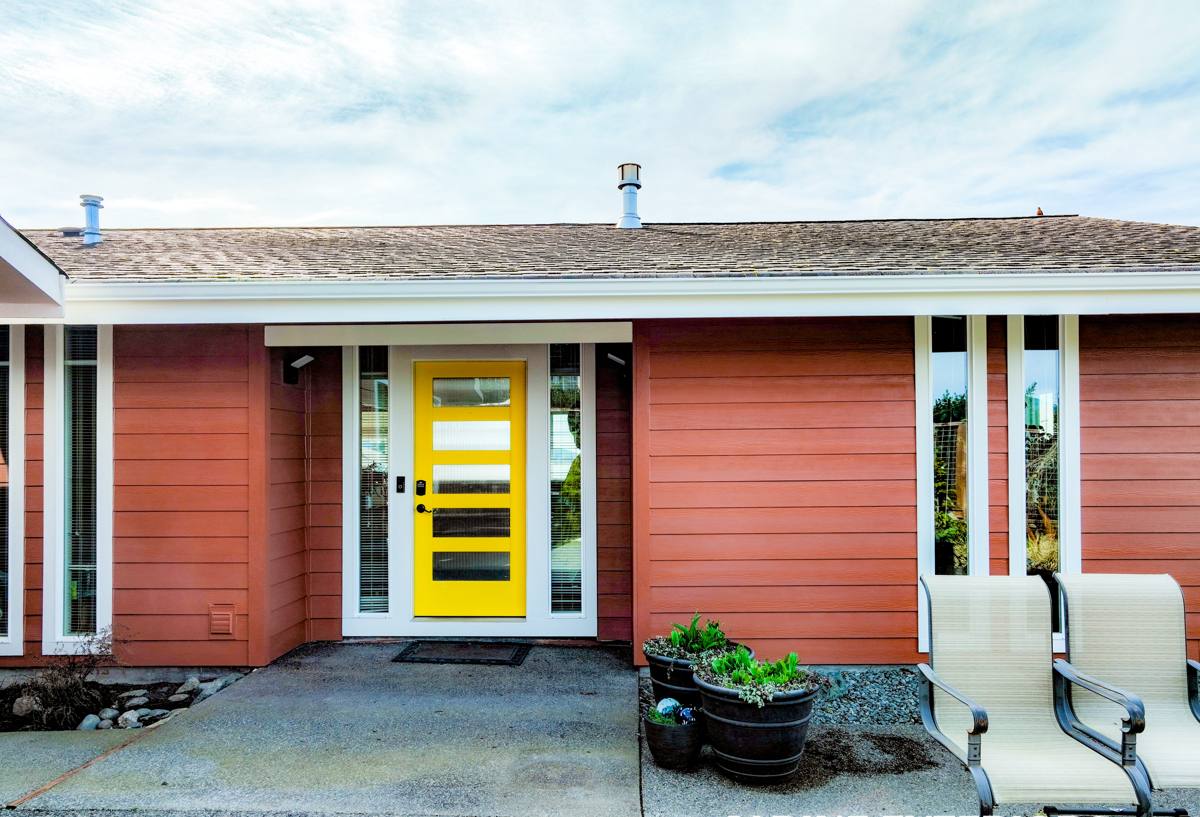
What Clearwater's Coastal Climate Does to Exterior Walls
Pinellas County homes take a different kind of beating than siding was originally designed for in most of the country. A few things stack up in Harbor Oaks specifically:
- Hurricane-force wind: Gulf Coast storm seasons bring sustained high winds and gusts that test every fastener, joint, and piece of trim on a home's exterior.
- Wind-driven rain: Rain doesn't just fall here — it's pushed sideways into wall assemblies, seams, and window returns, which means flashing and water management details matter as much as the siding material itself.
- Intense, near year-round UV: Florida sun breaks down pigments and resins in lower-grade siding products faster than in most of the country, leading to fading and surface degradation well ahead of schedule.
- Salt air: Proximity to the harbor means airborne salt settles on exterior surfaces and accelerates corrosion of fasteners and metal components, and it can be harsh on materials not engineered to tolerate it.
Individually, any one of these is manageable. Together, day after day, they're why so many older homes in this area show chalking, cracking, delamination, or soft spots around windows and at the base of walls long before a homeowner expects to be thinking about siding again.
Why We Only Install James Hardie Fiber Cement
We made a deliberate decision to standardize on James Hardie and not offer vinyl, LP SmartSide, Cemplank, Allura, or primed wood species like spruce or cedar. That's not a marketing angle — it's a practical one, built around what actually holds up in a climate like Clearwater's.
Fiber cement is non-combustible and dimensionally stable, meaning it doesn't expand and contract with humidity swings the way wood-based products can, and it doesn't soften or warp under sustained heat and moisture the way vinyl can. James Hardie's HardieZone system is engineered specifically around regional climate demands, with HZ10 products formulated for the exact combination of humidity, heat, and moisture exposure that defines the Gulf Coast. The factory-applied ColorPlus finish is baked on under controlled conditions rather than field-applied, which matters enormously under Florida UV — it resists fading and holds its finish far longer than site-painted alternatives. Hardie also backs its products with a strong, transferable limited warranty, which carries real weight for a homeowner who may sell the house down the road.
None of this means other products are without merits — vinyl is inexpensive and low-maintenance in mild climates, engineered wood has a warmer look some homeowners prefer, and cedar has genuine curb appeal. But when we weigh moisture behavior, wind performance, UV resistance, and long-term maintenance burden against what Harbor Oaks homes actually face, fiber cement from James Hardie is what we're willing to stand behind and put our name on.
What "Installed to Spec" Actually Means
Fiber cement siding is only as good as its installation. Manufacturer specifications exist for a reason, and skipping them is the single biggest cause of premature siding failure we see on inspections. A correct installation in this climate includes:
- A continuous, properly lapped weather-resistant barrier behind the siding — not just felt paper stapled on quickly.
- Correct fastener type, spacing, and penetration depth, matched to the substrate (this is where corrosion-resistant fasteners earn their keep near the harbor).
- Proper clearance gaps at the bottom of the siding, around windows, and at any horizontal trim to allow water to drain rather than wick upward into the material.
- Flashing at every horizontal joint, window head, and roof-to-wall transition, installed so water sheds outward rather than behind the cladding.
- Correct field-cutting and sealing of cut edges per manufacturer instructions, since exposed raw edges are a common failure point.
Skip any one of these steps and you can end up with a home that looks finished but is quietly taking on moisture behind the wall — a problem that often isn't visible until it's already caused rot in the sheathing.
Our Process for a Harbor Oaks Siding Project
1. On-Site Assessment
We start by walking the exterior and identifying problem areas specific to the house — shaded north walls holding moisture, areas exposed to prevailing wind and salt drift, existing trim or window conditions, and any signs of past water intrusion. Older homes in established neighborhoods like this often have layers of prior repairs, so we also check what's underneath the current siding before quoting anything.
2. Tear-Off and Substrate Check
Once old siding comes off, we inspect the sheathing and framing underneath for rot, insect damage, or existing moisture problems. This step gets skipped by contractors trying to move fast, and it's exactly the step that determines whether new siding lasts fifteen years or fifty.
3. Weather Barrier and Flashing
We install a continuous weather-resistant barrier and detail flashing at every penetration and transition before a single piece of siding goes up. In a neighborhood this close to the water, this layer is doing as much work as the visible siding.
4. Installation to Manufacturer Specification
Hardie panels and planks go up following James Hardie's published fastening, clearance, and joint-treatment requirements — not a generalized approach borrowed from other siding types. This is also where HZ10 product selection and factory ColorPlus finish come into play for long-term fade and moisture resistance.
5. Final Detailing and Walkthrough
Trim, caulking at appropriate joints (not as a substitute for proper flashing), and a final walkthrough so the homeowner understands what was done and why, along with basic care going forward.
Comparing Siding Options for a Coastal Pinellas County Home
| Factor | Vinyl | Engineered Wood (LP-style) | James Hardie Fiber Cement |
|---|---|---|---|
| Wind resistance | Moderate; can crack or blow off in high gusts | Good when installed correctly | Strong, engineered for high-wind regions |
| Moisture/rot risk | Low material rot risk, but can trap moisture behind panels | Higher; wood-based core is moisture-sensitive | Low; non-combustible, stable material |
| UV/fade resistance | Can fade and become brittle under intense sun | Depends on paint quality; needs repainting over time | Factory ColorPlus finish resists fading |
| Salt air tolerance | Generally acceptable | Can accelerate coating wear | Formulated for humid, coastal climates |
| Maintenance | Low, but limited repair options | Periodic repainting and sealing | Periodic caulk/paint touch-up per finish |
| Typical lifespan (installed to spec) | 20–30 years | 20–30 years | 30–50 years |
These are general characteristics, not guarantees — actual performance always comes down to installation quality as much as the material itself.
Signs Your Siding May Already Be Compromised
Because moisture problems in this climate often start behind the siding, visible symptoms are usually a sign the issue has been developing for a while. Homeowners in Harbor Oaks should watch for:
- Soft or spongy spots when pressing gently on siding, especially near the bottom edge or window trim
- Visible cracking, buckling, or separation at seams
- Paint or finish that's peeling, bubbling, or chalking heavily
- Persistent staining or streaking that doesn't clean off
- Interior wall discoloration, musty smell, or peeling interior paint near exterior walls
- Visible gaps around window and door trim where caulking has failed
What to Ask Before Hiring a Siding Contractor
Fiber cement is unforgiving of shortcuts, and the difference between a good and bad installation usually isn't visible until years later. Before hiring anyone for a project in this neighborhood, it's worth asking:
- Are you James Hardie certified or factory-trained, and can you explain your flashing and clearance details specifically?
- What weather-resistant barrier do you use, and how do you handle laps and penetrations?
- Do you check and repair the sheathing before installing new siding, or install over existing conditions?
- What's your experience working on homes in this specific area, dealing with this climate?
- Is your warranty backed by the manufacturer, and is it transferable if the home sells?
Maintaining Fiber Cement Siding in This Climate
James Hardie siding is low-maintenance compared to wood or repainted alternatives, but "low-maintenance" doesn't mean "no-maintenance" in a salt-air, high-UV environment. A simple annual routine goes a long way: rinse down the exterior to remove salt residue and airborne grime, inspect caulking at trim and window joints for cracking, and look at ground-level areas for splashback or standing moisture, especially where shade keeps walls damp longer after rain. Catching a small caulk failure early is a five-minute fix; ignoring it for a couple of storm seasons can mean a much larger repair.
Let's Look at Your Home
Every house in Harbor Oaks has its own exposure, shade pattern, and history of past repairs, and that's exactly what a proper siding estimate should account for — not a one-size-fits-all quote. If you'd like an honest look at your home's current siding condition and what correct James Hardie installation would involve, request a free, no-pressure estimate using the form below.