 Clearwater Roofing
 Building Decks for a Barrier Island Climate
Indian Rocks Beach sits on a narrow strip of land between the Gulf of Mexico and the Intracoastal Waterway, and that location shapes almost every decision that goes into a deck here. A deck built the way you'd build one for an inland Pinellas County neighborhood will not hold up the same way on the beach. Salt-laden air corrodes hardware faster, direct sun bakes wood and composite surfaces year-round, and wind-driven rain finds its way into gaps that would never be a problem twenty miles inland. Add hurricane-force wind loads to that list and it's clear why a correctly built deck out here is a different job than a standard backyard deck.
This page focuses specifically on custom deck construction for homes in Indian Rocks Beach — what the environment demands, what a properly built deck actually involves, and how we approach the work.
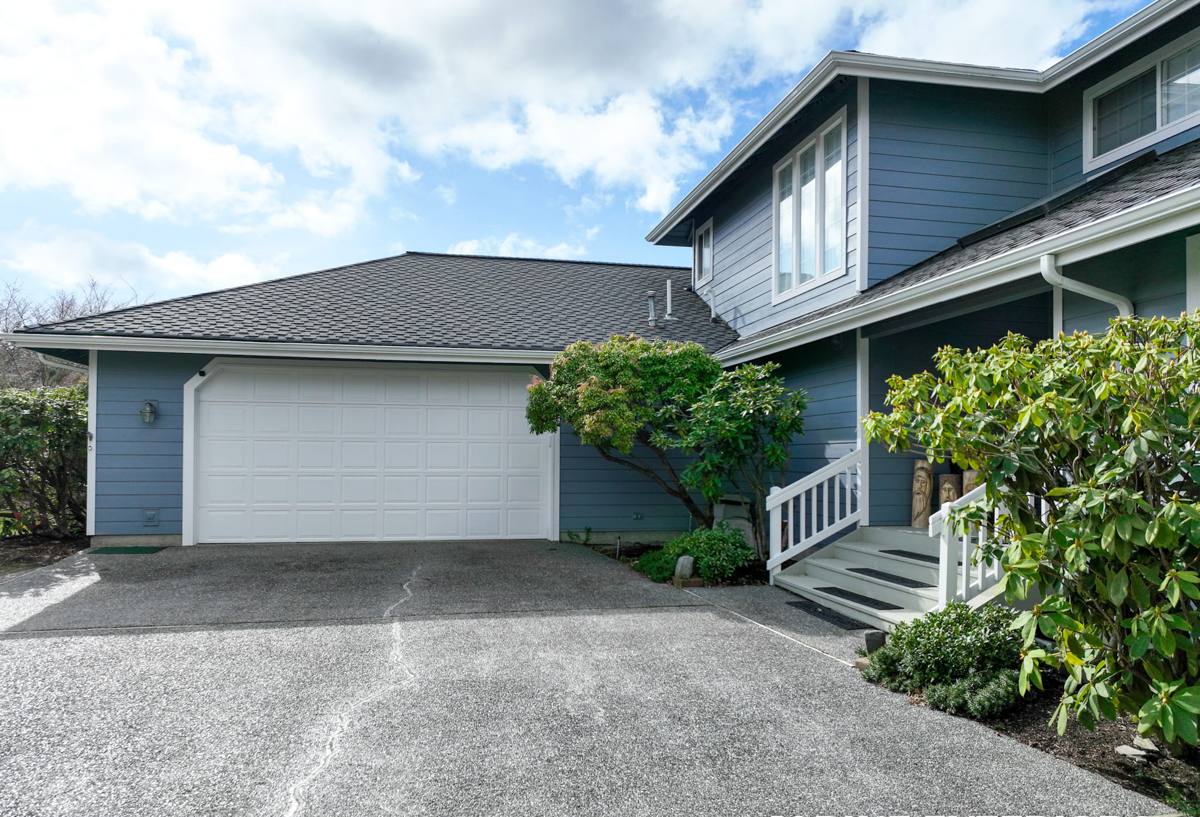
What Indian Rocks Beach Homes Need From a Deck
Salt Air and Corrosion
Airborne salt doesn't just affect homes with a direct Gulf view. It travels across the whole barrier island and settles on every exposed surface, including fasteners, brackets, and connectors buried inside the deck structure. Standard galvanized hardware that's fine inland can start corroding within a few years this close to salt water. That corrosion isn't cosmetic — it's a structural connection slowly weakening where you can't see it.
Intense, Year-Round UV
Florida's UV exposure doesn't take a season off. Wood decking that isn't sealed and maintained on schedule will gray, split, and check faster here than in most of the country. Composite and PVC products handle UV better than wood, but not all of them are rated the same, and color retention varies quite a bit between product lines.
Wind-Driven Rain and Drainage
Rain in coastal Pinellas County rarely falls straight down. Storms push it sideways, which means flashing, ledger connections, and any point where the deck meets the house need to shed water in more directions than a typical detail accounts for. Poor flashing at the ledger board is one of the most common failure points we see on older decks in this area, and it's almost always invisible until there's already water damage behind the siding.
Hurricane Wind Loads
Pinellas County's barrier islands sit in one of the higher wind-speed zones on the Florida Building Code's design maps. A deck here has to resist uplift and lateral loads that a deck in a low-wind-zone state never has to deal with. That affects everything from post spacing to how railings and guardrails are fastened.
Decking Material Options for Coastal Pinellas County
There's no single "right" material for every project — it depends on budget, how much maintenance the homeowner wants to take on, and how close the deck sits to open water. Here's how the common options compare specifically for this environment.
| Material | Salt Air Performance | UV/Fade Resistance | Maintenance |
|---|---|---|---|
| Pressure-treated wood | Fair — hardware and fasteners need corrosion-resistant coatings | Fades and grays without regular sealing | Highest — annual cleaning and resealing recommended |
| Composite decking | Good — resists rot and insect damage | Good, varies by product line and cap layer | Low — periodic washing, no sealing/staining |
| PVC/cellular decking | Very good — fully synthetic, no wood fibers to absorb moisture | Very good on most current product lines | Low — occasional cleaning |
| Tropical hardwoods (e.g. ipe) | Good — naturally dense and rot-resistant | Fades to gray without oiling | Moderate to high — periodic oiling to maintain color |
We install all of these depending on what the homeowner wants, and we'll walk through the honest trade-offs of each rather than pushing one product. Wood costs less up front but asks more of you over time. Composite and PVC cost more initially but reduce the maintenance workload substantially, which matters to a lot of Indian Rocks Beach homeowners who use their property seasonally or don't want a recurring maintenance list.
Structural Details That Matter on the Beach
The visible decking is only part of the job. What's underneath is what determines whether the deck is still solid in ten or fifteen years.
- Ledger flashing: Correct flashing at the house connection, sequenced so water sheds away from the structure rather than into it, is non-negotiable here given how much wind-driven rain the area gets.
- Fasteners and connectors: Stainless steel or coated fasteners rated for coastal/marine exposure, not standard galvanized hardware, on every structural connection.
- Footings: Footing depth and post connections sized for local wind-uplift requirements, not a generic minimum.
- Elevated and piling-supported homes: A number of homes in this area are elevated on pilings for flood compliance, which means decks and stairs often have to tie into an elevated structure correctly rather than sit on simple ground-level framing.
- Guardrails and stair framing: Built to resist both normal use loads and the lateral wind loads this stretch of coast sees during storm season.
Skipping or downgrading any one of these doesn't show up on day one. It shows up as a soft spot near the house, a rusted bracket, or a rail that flexes more than it should — usually a few years down the road, when it's a repair instead of a decision.
Permitting and Florida Building Code Compliance
Deck construction in Indian Rocks Beach requires a permit, and inspections check exactly the details described above — ledger attachment, footing depth, fastener type, and guardrail construction. Because the barrier island sits in a higher wind-speed design zone under the Florida Building Code, plans need to reflect that zone rather than a generic statewide minimum. Homes in flood zones may also have elevation or setback considerations that affect deck design.
We handle the permitting and inspection process as part of the job rather than treating it as a separate hurdle. A permitted, inspected deck also matters for resale and for insurance — an unpermitted structure can complicate both down the line.
Our Process
- Site visit and design conversation. We look at the home's layout, elevation, sun and wind exposure, and how the space will actually be used before recommending a material or footprint.
- Design and material selection. We lay out options with honest cost and maintenance trade-offs so the decision fits the budget and the way the homeowner actually plans to use and maintain the deck.
- Permitting. We prepare and submit the plans and handle the inspection scheduling.
- Construction. Framing, flashing, and fastening are done to coastal-grade specifications, not just code minimums where it's practical to exceed them.
- Final walkthrough. We go over the finished deck with the homeowner, including what maintenance schedule fits the chosen material.
Maintenance Checklist for Salt Air and Sun
Whatever material you choose, a little regular attention keeps a coastal deck performing the way it should.
- Rinse the deck surface periodically to remove salt residue, especially after storms with onshore wind.
- Check visible fasteners and connectors once or twice a year for early signs of corrosion or rust staining.
- Inspect the ledger flashing area where the deck meets the house for any signs of moisture intrusion.
- Reseal or oil wood decking on the schedule recommended for the specific product — don't wait until it's visibly gray and dry.
- Keep drainage gaps between boards clear of debris so water continues to shed properly.
- Have railings and stair connections checked periodically, since these take the brunt of wind and use loads.
Cost Factors for Indian Rocks Beach Deck Projects
Every project is different, but these are the main variables that move the price, so homeowners can budget with a realistic picture rather than a single number that doesn't account for their specific site.
| Factor | Why It Matters Here |
|---|---|
| Decking material | Wood costs less upfront; composite and PVC cost more but reduce coastal maintenance |
| Elevation/height | Homes on pilings or with elevated entries require more substructure and stair work |
| Fastener and hardware grade | Marine-grade stainless and coated connectors cost more than standard hardware, but they're the difference-maker in salt air |
| Size and footprint complexity | Multi-level decks, built-in seating, or non-rectangular layouts add framing and labor |
| Railing style | Cable, glass, and custom railing systems cost more than standard baluster railing |
| Permitting and site conditions | Flood zone requirements and site access can add time and cost depending on the property |
Why Local Experience Matters
A contractor who mostly builds inland can still put together a deck that looks right on installation day. The problems show up later — a fastener that wasn't rated for salt exposure, a flashing detail that wasn't sequenced for wind-driven rain, footings sized for a wind zone that doesn't match this stretch of coast. A crew that already works regularly in Indian Rocks Beach and along this part of the Clearwater coastline has already run into these issues on other jobs and builds around them from the start, rather than learning the hard way on your project.
That local familiarity also shows up in smaller ways — knowing what the permitting office here expects to see on a set of plans, understanding how elevated and piling-supported homes are typically framed in this area, and having a realistic sense of how a given material actually performs a few blocks from the Gulf, not just on a manufacturer's spec sheet.
If you're planning a new deck or replacing one that's showing its age, we're happy to take a look and put together a straightforward, no-pressure estimate — just fill out the form below to get started.