 Clearwater Roofing
 Why Decks on Indian Rocks Beach Wear Out Faster Than Inland Decks
Indian Rocks Beach sits on a narrow barrier island west of Clearwater, with the Gulf of Mexico on one side and the Intracoastal Waterway on the other. That location is what makes the area beautiful, and it's also what makes it hard on an exterior deck. Salt-laden air moves across the island constantly, not just on windy days, and it settles into every joint, fastener, and cut edge of a deck's structure. Add in Pinellas County's intense year-round UV exposure, wind-driven rain that gets pushed sideways under railings and through gaps in decking boards, and the occasional direct hit from tropical storm or hurricane-force winds, and you have a combination that ages a deck faster than almost anywhere else in the region.
A deck built the same way you'd build one twenty miles inland typically won't hold up the same length of time this close to the water. Fasteners corrode faster. Untreated or poorly sealed cut ends rot from the inside out. Railing posts loosen where moisture wicks into end grain. None of this means a deck on Indian Rocks Beach can't last — it means it has to be built and maintained with that environment in mind from the start.
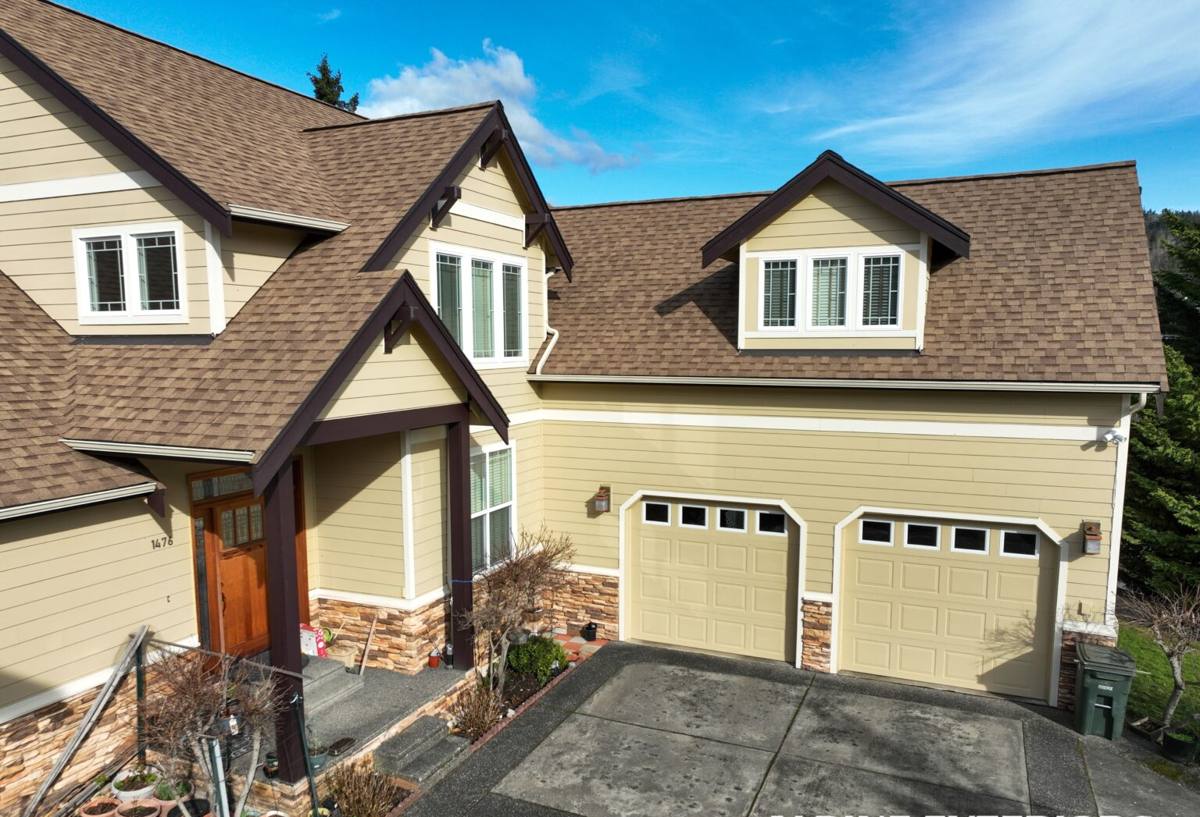
Signs Your Deck Needs Replacement, Not Another Repair
Homeowners often ask whether a deck can be patched instead of replaced. Sometimes it can. But once a few of these show up together, repair usually becomes a losing game of chasing new problems while the underlying structure keeps failing.
- Soft, spongy, or bouncy spots in the decking surface when you walk across it
- Visible rot, splitting, or delamination at board ends and around fastener holes
- Rust streaks bleeding out from screws, bolts, or joist hangers
- Railing posts or stair stringers that wiggle even when the boards look fine
- Ledger board separation or gaps where the deck meets the house
- Corrosion or cracking at the concrete footings or post bases
- A deck older than 15-20 years that has never been resurfaced or re-fastened
- Any sign of structural movement after a significant storm
If the framing underneath — the joists, beams, ledger, and posts — is compromised, replacing just the surface boards is a short-term fix at best. We tell homeowners honestly when a repair will realistically buy a few more years versus when the smarter money is a full replacement built to hold up going forward.
Why Framing Failure Often Hides Behind a Good-Looking Deck
One of the more common surprises on coastal decks is a top surface that still looks presentable while the structure underneath is failing. Salt air and moisture attack fasteners and framing from below and from the inside of joints, where you can't see it during a casual walk-through. This is why a proper replacement estimate includes getting underneath the deck and checking joists, ledger attachment, and post bases, not just looking at the decking boards from above.
Choosing the Right Decking Material for a Gulf-Front Property
There's no single "best" decking material for every home — it depends on budget, maintenance tolerance, and how close the deck sits to salt spray. What matters most is understanding the honest trade-offs of each option before you commit.
| Material | How It Handles Coastal Conditions | Maintenance | Typical Lifespan |
|---|---|---|---|
| Pressure-treated wood | Affordable and workable, but end grain and fastener points need consistent sealing to resist salt moisture and UV graying | Annual cleaning, periodic sealing/staining | 10-15 years with upkeep |
| Composite decking | Resists rot and doesn't need staining; quality varies a lot between capped and uncapped products in humid, salty air | Periodic cleaning, no sealing needed | 20-25+ years, product-dependent |
| PVC/cellular decking | Fully synthetic, doesn't absorb moisture, generally the most stable option this close to the Gulf | Low — occasional washing | 25-30+ years |
| Tropical hardwood | Naturally dense and rot-resistant, but requires disciplined oiling to prevent graying and checking in constant sun and salt air | Regular oiling, higher labor cost | 20-25 years with diligent care |
We install all of these, and we'll tell you plainly which one fits your budget and how much upkeep you're realistically willing to do. A composite or PVC deck costs more up front but demands far less of your time. A wood deck costs less initially but only performs as well as the maintenance schedule behind it.
Fasteners and Hardware Matter as Much as the Decking Itself
On a barrier island, hardware is often where a deck fails first — long before the decking boards themselves give out. We use stainless steel or coated, corrosion-rated fasteners and connectors throughout, not standard galvanized hardware that's fine inland but corrodes noticeably faster in salt air. The same goes for joist hangers, structural screws, and post bases. It costs more than generic hardware, but it's the difference between a deck that needs re-fastening in five years and one that doesn't.
Framing and Substructure
Whatever decking material goes on top, the framing underneath does the real work of holding the deck together in wind and supporting the load. We build or replace framing to current wind-load expectations for the area, with attention to ledger attachment at the house, joist spacing appropriate to the decking product, and post-to-footing connections that resist uplift — a real concern in a hurricane-prone coastal zone, not a theoretical one.
Permits, Wind Ratings, and Local Codes
Deck replacement on Indian Rocks Beach isn't a project you do without a permit, and it shouldn't be — permitting exists to make sure the structure can actually handle Gulf-coast wind loads and won't become a hazard in the next storm. Depending on the scope of work and your property's location, permitting may run through the Town of Indian Rocks Beach or Pinellas County, and coastal construction on a barrier island can also involve additional review depending on setback and flood zone requirements. We pull the required permits, build to current Florida Building Code wind provisions for this area, and schedule inspections at the appropriate stages so the finished deck is documented and code-compliant — not something that creates a problem when you go to sell the home or file an insurance claim later.
We're upfront that we don't know every detail of your specific lot without looking at it. What we do know, from working this area regularly, is which permitting steps tend to apply and how to move through them without unnecessary delay.
How Our Deck Replacement Process Works
- On-site assessment. We inspect the existing deck from the surface down to the footings, checking framing, ledger attachment, and hardware condition, and give you an honest read on repair versus replacement.
- Material and design conversation. We walk through decking options, railing choices, and layout, matching the plan to your budget and how the space actually gets used.
- Permitting. We handle the permit application and documentation so the project is built to code from day one.
- Demolition and disposal. The old deck comes out cleanly, with attention to protecting landscaping and the area around the home.
- Framing and structural work. New or reinforced framing goes in first, using corrosion-resistant hardware throughout, before any decking surface is installed.
- Decking, railing, and stairs. Surface material and railings are installed per manufacturer specifications, which matters both for appearance and for warranty coverage.
- Final walkthrough and inspection. We review the finished deck with you and coordinate final inspection sign-off.
What Affects the Cost of a Deck Replacement Here
| Cost Factor | Why It Matters |
|---|---|
| Deck size and footprint | Larger square footage means more material, labor, and framing |
| Decking material chosen | Pressure-treated wood costs less upfront; composite and PVC cost more but need less maintenance |
| Framing condition | Full framing replacement adds cost versus reusing sound structural members |
| Height and stairs | Elevated decks and multi-flight stairs require more structural work and railing |
| Railing style | Cable, glass, and composite railing systems cost more than standard baluster railing |
| Permitting complexity | Setback, flood zone, or coastal construction review can add time and fees |
| Site access | Tight island lots and limited staging space can affect labor time |
We give a written, itemized estimate before any work starts, so you know exactly what's driving the price — not a vague lump-sum number.
Why a Crew That Already Works Indian Rocks Beach Is Worth It
A contractor who mainly works inland projects can absolutely build a technically sound deck. But there's real value in hiring a crew that already understands this specific stretch of the Pinellas County coastline. We know how much faster standard hardware corrodes out here compared to a few miles inland, which decking products actually hold up to daily salt exposure versus which ones just claim to, and how permitting and inspection scheduling tends to run for barrier island properties. We also plan around hurricane season realistically — scheduling, material lead times, and sequencing so a project isn't left half-finished heading into a storm risk window.
That local familiarity shows up in small decisions throughout a project: where extra flashing or fastener protection is worth the added cost, how railings should be detailed to shed wind-driven rain instead of trapping it, and which framing details have held up on other Indian Rocks Beach decks versus which ones haven't.
Keeping Your New Deck Performing Long-Term
Even the best-built deck benefits from a little seasonal attention in this climate.
- Rinse salt residue off the surface and railings periodically, especially after wind events
- Check fastener heads and hardware for early corrosion once or twice a year
- Reseal or restain wood decking on the schedule the product actually needs, not just when it looks faded
- Keep gutters and nearby drainage clear so water isn't funneling onto or under the deck
- After any major storm, walk the deck and check railings, stairs, and post bases for movement before assuming everything is fine
We're happy to walk you through a maintenance schedule specific to whatever material you choose, so the investment holds up the way it's supposed to.
If your deck is showing its age or you're planning ahead of the next storm season, we'll come take a look, give you a straight assessment of repair versus replacement, and put together a free, no-pressure estimate using the form below.