 Clearwater Roofing
 New-Construction Windows for Indian Rocks Beach Homes
Indian Rocks Beach sits on a narrow barrier island in Pinellas County, which means every home here deals with a version of coastal exposure that inland Clearwater properties simply don't see. Salt-laden air, direct Gulf sun, and wind-driven rain hit window assemblies harder and more constantly than almost anywhere else in the region. When you're building new or doing a full gut-and-rebuild, the window installation is one of the few parts of the project where getting it right the first time actually matters for the next twenty or thirty years — because unlike a retrofit, new-construction windows get fully integrated into the wall assembly before it's closed up. There's no going back to fix a bad flashing detail once the stucco or siding goes on.
This page is specifically about new-construction window installation — new openings, framed and flashed from scratch — for homes and additions in the Indian Rocks Beach area, not window replacement in an existing opening. If you're gutting a house down to studs, adding a room, or building ground-up, this is the scope that applies.
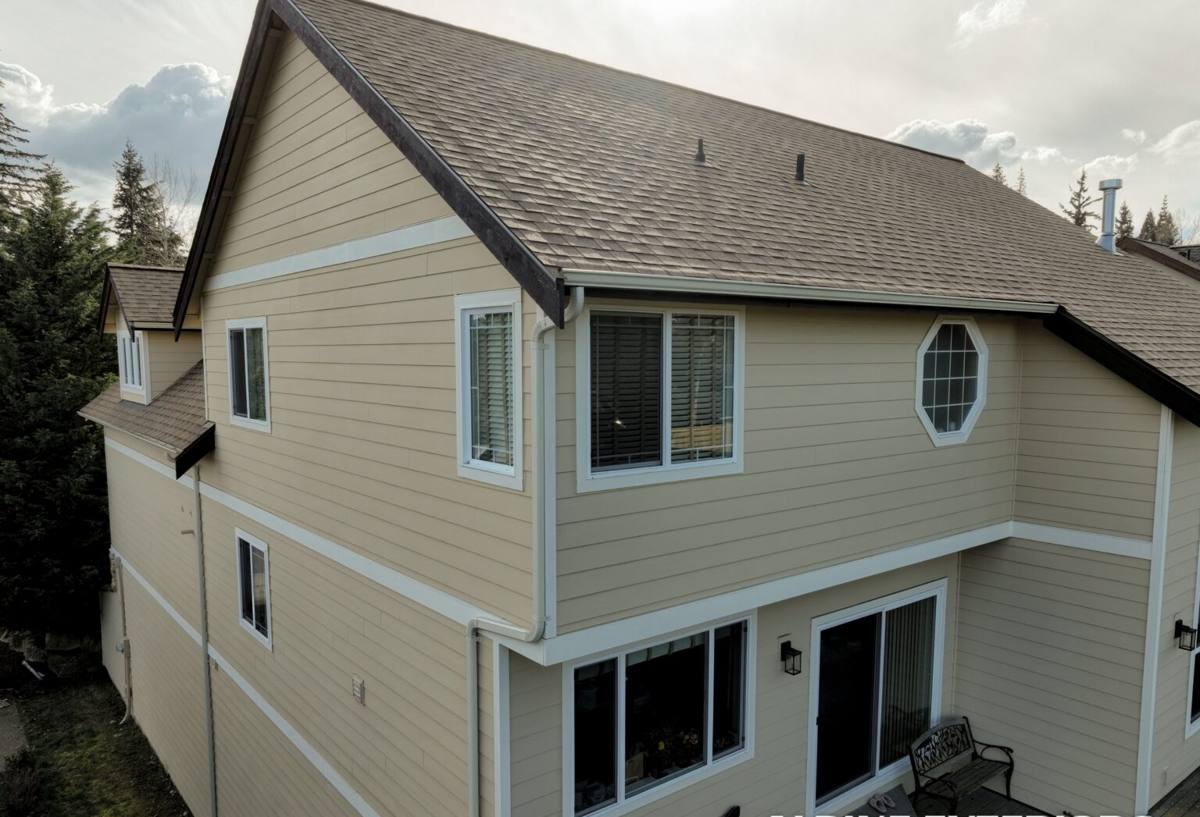
What Indian Rocks Beach's Climate Actually Does to a Window Opening
Pinellas County barrier island homes face a combination of stresses most manufacturers' standard warranty language doesn't fully account for:
- Hurricane-force wind loads: Indian Rocks Beach falls within Florida's High-Velocity Hurricane Zone influence area, and even outside the strictest HVHZ counties, Pinellas requires wind-borne debris protection and pressure ratings that reflect real storm exposure.
- Wind-driven rain: A tropical system or even a strong summer thunderstorm off the Gulf doesn't just drop rain — it drives it sideways into any gap in the flashing or sealant. Most water intrusion problems we find in coastal homes trace back to flashing details, not the window unit itself.
- Constant, intense UV: Year-round Florida sun degrades vinyl, weakens sealants, and breaks down low-quality gaskets faster than the manufacturer's published lifespan would suggest inland.
- Salt air corrosion: Airborne salt attacks exposed fasteners, low-grade hardware, and unprotected metal flashing. On an island like Indian Rocks Beach, corrosion-resistant materials aren't a luxury upgrade — they're the baseline.
None of these forces act in isolation. A window opening on this island is being pushed by wind, soaked by rain, baked by sun, and corroded by salt, often within the same week. That combination is why we treat every new-construction opening here as a system problem, not just a product installation.
What "Correct" Actually Means for a New-Construction Opening
It Starts Before the Window Ever Arrives
A correct new-construction install is really about everything around the window — the rough opening, the water-resistive barrier (WRB), the flashing sequence, and how all of it ties into the wall assembly. The window itself is often the easiest part. Get the framing dimensions right, get the flashing sequence right (bottom, sides, then top, always shingle-lapped so water sheds outward and down), and integrate it properly with the house wrap or building paper, and the window will perform the way it's rated to perform.
The Flashing Sequence Is Where Problems Get Prevented or Created
We install a sill pan flashing at the base of every opening so that any water that does get past the window — condensation, a failed seal down the road, a wind-driven rain event beyond design limits — has somewhere to drain instead of soaking into the framing. Side and head flashing get lapped in the correct order and sealed with compatible materials. Compatibility matters more than people expect: some sealants and tapes don't bond well to certain house wraps or don't hold up under sustained UV and salt exposure, and mixing incompatible products is a common source of early failures we see on this coast.
Fastening and Anchoring for Wind Load
New-construction windows use a nailing or mounting fin that gets fastened directly to the framing, which is what allows them to be engineered for higher wind-load ratings than a retrofit unit typically achieves. Fastener type, spacing, and embedment all have to match both the manufacturer's installation instructions and the wind pressure rating required for the specific elevation and exposure category of the home — this isn't a "close enough" detail, it's what the permit inspection is checking.
Florida Building Code and What It Means for This Job
Pinellas County enforces the Florida Building Code's high-wind provisions, and coastal properties like those in Indian Rocks Beach typically fall under stricter wind-borne debris and pressure requirements than homes further inland. In practice, that means:
- Windows must carry a Notice of Acceptance (NOA) or Florida Product Approval documenting they meet the required design pressure and impact criteria for the site.
- Impact-rated glazing or an approved protective system is generally required for openings within the wind-borne debris region.
- Installation must follow the manufacturer's approved installation instructions referenced in the product approval — deviating from that instruction sheet can void both the wind rating and the warranty.
- A permit and inspection are required for new openings; this isn't optional paperwork, it's what confirms the flashing and fastening were done to code before the wall gets closed up.
We pull permits, schedule inspections, and keep documentation on the product approvals used on your job, because on a barrier island property that documentation matters at resale and at insurance renewal, not just at final inspection.
Our Process for a New-Construction Window Job
- Site visit and opening review: We walk the framing plan or existing rough openings, confirm sizes, and talk through sightlines, operation type (fixed, casement, single-hung, sliding), and any structural or elevation-specific wind pressure requirements.
- Product selection: We help you pick units with the correct design pressure and impact rating for the specific elevation and exposure of the home, not just a generic "hurricane window" spec.
- Permitting: We handle the permit application and make sure the product approvals on file match what's actually being installed.
- Flashing and installation: Sill pan, side and head flashing, WRB integration, and fastening to the manufacturer's approved schedule — done in the correct order so nothing gets buttoned up before it's been done right.
- Sealant and finish detailing: Interior and exterior sealant beads, backer rod where needed, and trim integration.
- Inspection and walkthrough: We coordinate the county inspection and walk the finished openings with you before we call the job done.
Comparing Window Approaches for a Coastal Build
| Factor | Impact-Rated Glazing | Non-Impact + Shutter/Protection System |
|---|---|---|
| Wind-borne debris protection | Built into the glass assembly, always active | Only effective if the protection system is deployed before a storm |
| Day-to-day appearance | No visible hardware, unobstructed views year-round | Clean when not deployed, but requires storage for shutters/panels |
| Maintenance | Standard glass and frame care | Additional hardware to inspect and maintain |
| Upfront cost | Higher per-unit cost | Lower window cost, added cost for protection system |
| Insurance consideration | Often recognized favorably in coastal wind mitigation inspections | Varies; depends on protection system type and documentation |
Neither approach is wrong — both can meet Florida Building Code when installed and rated correctly. We'll walk through the trade-offs against your budget and how you actually plan to use the house, rather than pushing one option as universally "better."
Homeowner Checklist Before You Sign Off on a New-Construction Window Job
- Confirm the design pressure (DP) rating on the product approval matches what your elevation and exposure category require, not just a generic hurricane-rated label.
- Ask to see the manufacturer's installation instructions referenced by the NOA and confirm they were followed — this is what the wind rating actually depends on.
- Verify a sill pan flashing is part of the installation scope, not just a bead of caulk at the base.
- Check that fastener and flashing materials are corrosion-resistant and rated for coastal/salt exposure.
- Make sure the permit and inspection are scheduled and completed, and keep the paperwork — it matters for insurance and resale on the island.
- Get product approval documentation in writing before installation, not promised verbally.
Why a Crew That Already Works Indian Rocks Beach Matters
New-construction window work on a barrier island isn't the same job as the same product installed a few miles inland. A crew that regularly works Indian Rocks Beach already understands the practical realities: how exposure category changes even street to street depending on proximity to the Gulf versus the Intracoastal side, what inspectors in this jurisdiction actually check closely, and how salt air changes which fastener and flashing materials hold up versus which ones start corroding within a couple of years. That familiarity shows up in fewer surprises during inspection and fewer callbacks after the first storm season.
It also matters logistically — barrier island access, parking, and material staging on tight lots are different from a typical mainland Clearwater job site, and a crew that's done it before plans around that instead of losing a day figuring it out.
Building or Rebuilding in Indian Rocks Beach?
If you're framing new openings or planning a full rebuild and want windows that are sized, rated, and flashed correctly for this stretch of the Pinellas County coast, we're happy to walk the plans with you and put together a straightforward estimate. There's no pressure and no obligation — just a clear look at what your project actually needs. The form below will get you started.