 Clearwater Roofing
 Board & Batten Siding for Island Estates Homes
Island Estates sits closer to open water and salt air than almost any other neighborhood we work in around Clearwater. That waterfront position is exactly what makes it desirable — and exactly what makes it hard on exterior materials. Board and batten siding, with its clean vertical lines and strong shadow lines, has become a popular choice here for accent walls, garages, gable ends, and full elevations on both older homes getting a facelift and new builds going for a modern coastal look. But the style only holds up if the material and the installation are matched to where the house actually sits.
We install board and batten using James Hardie fiber cement exclusively. That is not a marketing preference — it is a decision built around what we have seen happen to lesser materials on homes exposed to the same wind, water, and salt that Island Estates properties deal with every year. This page covers what that means in practice: what the climate demands, what a correct installation actually involves, and why the crew doing the work matters as much as the product going on the wall.
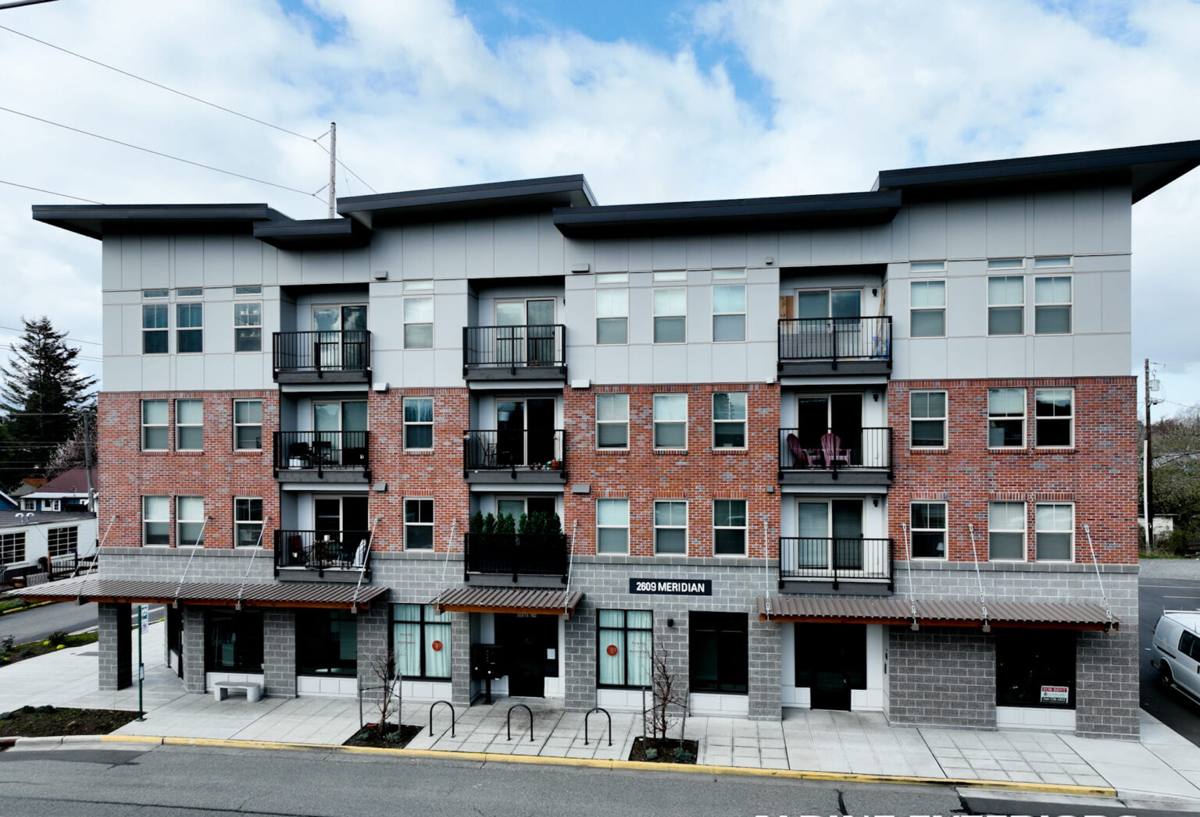
What Island Estates Exposure Actually Does to Siding
Every coastal Pinellas County neighborhood deals with heat, humidity, and storms. Island Estates gets a concentrated version of it. Being surrounded by open water and canals means more direct salt-laden air, more wind-driven rain hitting walls at an angle instead of just falling straight down, and less tree cover to break up gusts before they hit the house. Add in Florida's near year-round UV load, and you have four separate stressors working on the siding at once, not just one.
| Stressor | What It Does | Why Board & Batten Is Vulnerable If Done Wrong |
|---|---|---|
| Hurricane-force wind | Pulls at panel edges and fastener points, drives rain sideways under laps and battens | Vertical seams need correct fastening and flashing or wind gets a starting point to work loose |
| Wind-driven rain | Forces moisture behind the cladding at joints, corners, and penetrations | Battens create more seams than lap siding — each one needs a drainage path behind it |
| Year-round UV | Breaks down paint film, causes fading, cracking, and chalking over time | Field-painted or unfinished boards fail faster than factory-cured finishes |
| Salt air | Accelerates corrosion of metal fasteners, flashing, and trim | Standard fasteners rust and streak; joints loosen as fasteners degrade |
None of this means board and batten is a bad choice for a waterfront property — it means the product and the details have to be chosen with this exposure in mind from the start, not treated the same as a similar house fifteen miles inland.
What a Correct Board & Batten Installation Requires
Drainage Behind the Boards
Board and batten siding isn't a solid waterproof skin — it's a rain screen system. Water gets past the outer surface eventually, especially in wind-driven rain, and the assembly is designed to let that moisture drain and dry out rather than sit against the sheathing. That means a code-compliant weather-resistant barrier underneath, correct lap and seam sequencing on that barrier, and a gap or furring strategy behind the battens so air and water actually have somewhere to go. Skip this step and a board and batten wall can look fine for a couple of years while moisture quietly works on the sheathing behind it.
Clearance and Fastening
James Hardie specifies minimum clearances from grade, roof lines, decks, and other hard surfaces for a reason — those gaps keep splash-back moisture and standing water away from the bottom edge of the boards. Fastener spacing and placement matter just as much, especially on vertical boards that see more direct wind load than horizontal lap siding. In a salt air environment we use fasteners rated to resist that corrosion, not standard-grade hardware that will streak and loosen years before the siding itself would otherwise need attention.
Flashing at Every Penetration
Windows, doors, hose bibs, light fixtures, vents — every penetration through a board and batten wall is a potential entry point for wind-driven rain if it isn't flashed correctly. This is where a lot of installation failures actually originate, and it's rarely visible from the ground once the job is finished. It only shows up later as a stain, a soft spot, or a mold issue on the interior side of a wall.
Factory Finish, Not Field Paint
James Hardie's ColorPlus finish is baked on at the factory under controlled conditions, which gives it far better UV and fade resistance than a field-applied paint job, and it comes with its own finish warranty. On a board and batten installation, touch-up caulk and paint should be limited to cut edges and minor field touch-up — not a full-coat repaint to try to make mismatched or unfinished boards look uniform.
- Weather-resistant barrier installed and lapped correctly before any boards go up
- Drainage path maintained behind battens, not just decorative surface strips
- Manufacturer-specified clearance from grade, roofs, decks, and patios
- Corrosion-resistant fasteners appropriate for coastal salt exposure
- Flashing installed at every window, door, and wall penetration
- Factory ColorPlus finish maintained, with touch-up limited to cut edges
- Batten spacing consistent and tied to the home's actual stud layout, not just eyeballed
James Hardie Board & Batten vs. Other Board & Batten Options
Board and batten is available in several materials, and each one behaves differently once it's exposed to a waterfront Florida climate year after year.
| Material | Strengths | Trade-Offs Near Salt Air & Wind |
|---|---|---|
| Vinyl board & batten | Lower upfront cost, no painting required | Can warp or crack under sustained heat and impact; color is molded-in and fades over time with heavy UV exposure; not non-combustible |
| LP SmartSide (engineered wood) | Lighter weight, easier to cut and handle | Wood-based core is more sensitive to sustained moisture exposure than fiber cement; requires diligent caulk and paint maintenance to keep water out of cut edges |
| Primed spruce or cedar | Traditional look, natural material | Highest maintenance burden of the group; repainting cycles are frequent in intense UV, and moisture-driven rot risk is higher over time |
| James Hardie fiber cement | Non-combustible, engineered HZ5 formulation for high-wind, high-moisture climates, factory-cured ColorPlus finish, strong transferable warranty | Higher material cost than vinyl; heavier, so it demands correct fastening and handling during install |
We don't install vinyl, LP SmartSide, primed spruce, or cedar board and batten. That's a standard we hold across every job, not just this one — the maintenance burden and moisture sensitivity of those products are real trade-offs, and on a property this close to open water, they show up faster and cost more to manage over the life of the siding. James Hardie's HZ5 product line is specifically engineered for climates like ours, and it's what we're willing to put our name behind.
Our Process for Island Estates Board & Batten Projects
- On-site inspection. We look at the existing siding or substrate, note any moisture damage, check clearances, and evaluate wind and water exposure specific to your home's orientation on the lot.
- Tear-off and substrate check. Old material comes off and the sheathing underneath gets inspected before anything new goes up. If there's rot or moisture damage from a prior installation, we address it before covering it back up.
- Weather barrier and drainage plan. We install and lap the weather-resistant barrier correctly and set up the drainage path behind the battens before the first board goes on.
- Board and batten installation. Boards and battens go up to Hardie's fastening and clearance specifications, with corrosion-resistant hardware and flashing at every penetration.
- Detail and finish work. Trim, corners, and touch-up caulking are finished to keep the factory finish looking uniform and fully sealed.
- Final walkthrough. We go over the finished work with you before calling the job done.
Cost Factors for Board & Batten Siding in Island Estates
Board and batten pricing depends on more than square footage. On a waterfront property, a few extra factors tend to move the number more than they would inland.
| Factor | How It Affects Cost |
|---|---|
| Accent wall vs. full elevation | A gable or garage accent costs far less than covering the whole home |
| Tear-off complexity | Removing old siding and repairing any hidden moisture damage adds labor before new material goes up |
| Trim and corner detail | More windows, corners, and architectural detail mean more flashing and cut work |
| Site access | Canal-front lots, seawalls, and tight side yards can limit staging and equipment access |
| Fastener and hardware spec | Coastal-rated, corrosion-resistant hardware costs more than standard-grade fasteners but avoids early failure |
We give a written, itemized estimate after seeing the property in person — not a phone quote — because these factors genuinely change the scope from one Island Estates home to the next.
Why a Crew That Already Works Island Estates Matters
Permitting and inspection through the City of Clearwater and Pinellas County follows the same code either way, but a crew that regularly works waterfront properties knows what tends to go wrong on them specifically — where wind-driven rain finds its way in, which fastener choices hold up and which ones don't, and how to sequence a tear-off so a home isn't sitting exposed during an afternoon storm. That familiarity comes from repetition, not a general contracting background. It's the difference between a crew installing board and batten correctly on paper and a crew installing it correctly for this exact environment.
Maintenance and Longevity in a Coastal Setting
Properly installed James Hardie board and batten is a low-maintenance product, but "low-maintenance" doesn't mean "no maintenance," especially this close to the water. A periodic rinse to clear salt residue, a visual check of caulked joints and trim after major storms, and prompt attention to any fastener staining or loose trim will keep the system performing the way it's designed to. Because the finish is factory-applied, you're not on a repainting cycle the way you would be with field-painted wood or trim-heavy vinyl systems — but a quick seasonal look, particularly after hurricane season, goes a long way toward catching small issues before they become bigger ones.
If you're weighing board and batten siding for a home in Island Estates, we're happy to take a look and walk you through what your specific property needs — no pressure, no obligation. Fill out the form below to schedule a free estimate.