 Clearwater Roofing
 Del Oro's Climate Is Hard on Siding
Homes in Del Oro sit inside one of the toughest climates in the country for exterior building materials. Pinellas County deals with hurricane-force wind events, sustained wind-driven rain, salt-laden air moving in off the Gulf, and some of the most intense year-round UV exposure in the continental United States. Every one of those forces attacks siding differently, and most products on the market were never engineered to handle all four at once.
Wind-driven rain forces water sideways and upward, finding gaps that would never be a problem in a drier climate. Salt air accelerates corrosion on fasteners and trim hardware. UV breaks down pigments and resins in cheaper materials over a matter of years, not decades. And when a named storm comes through, siding isn't just a cosmetic layer — it's part of what keeps water out of the wall assembly. A product or installation that's "good enough" in a mild climate often isn't good enough here.
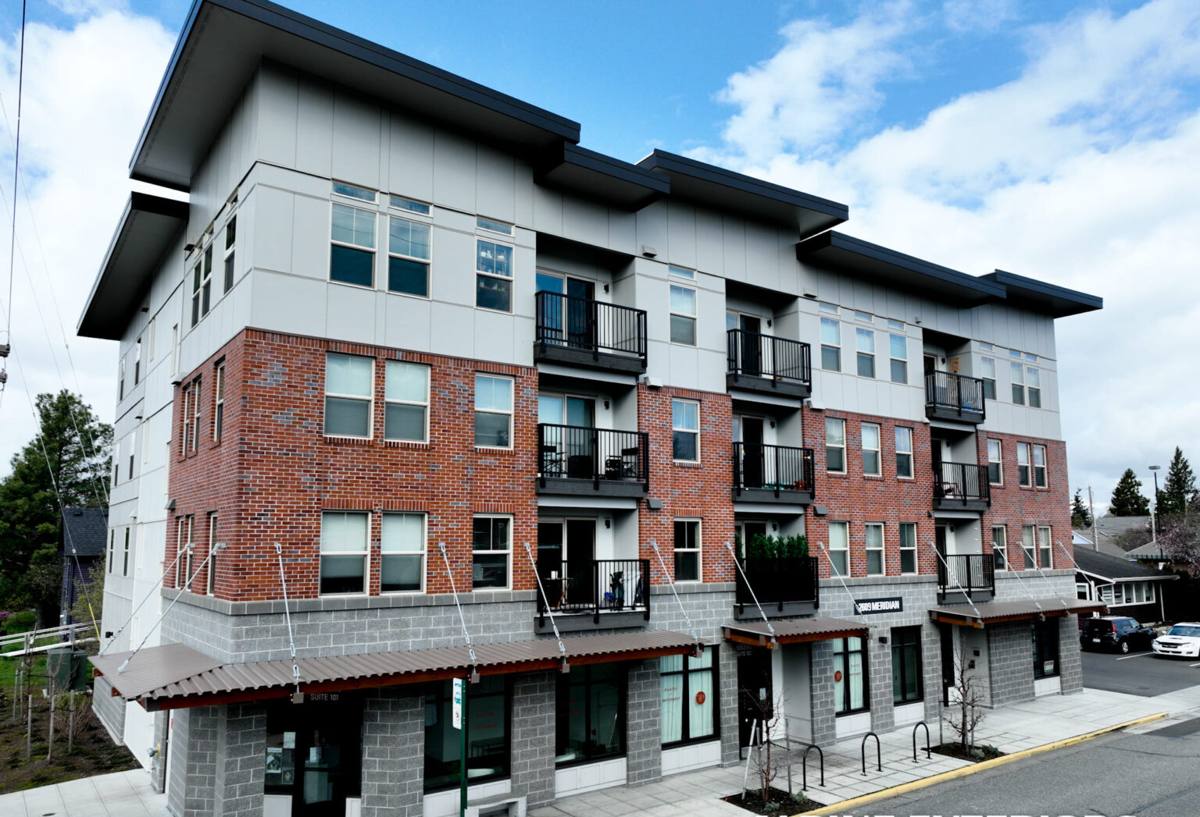
Why James Hardie Fiber Cement Fits This Environment
James Hardie makes region-specific formulations, and the HZ5 product line is engineered for climates like ours — hot, humid, storm-exposed, and coastal-influenced. It's a fiber cement product, meaning it's built from cement, sand, and cellulose fibers rather than foam, vinyl, or wood. That composition is what makes it non-combustible and dimensionally stable in swings between soaking humidity and blistering sun, which is exactly the cycle Del Oro homes go through for most of the year.
The ColorPlus factory-applied finish matters just as much as the substrate. It's baked on in a controlled facility rather than brushed or sprayed on site, which gives it better UV and fade resistance than field-applied paint. In a market with this much sun exposure, that finish quality is often the difference between siding that still looks sharp after a decade and siding that needs repainting in five years.
None of that means Hardie siding is maintenance-free or storm-proof. It means the material itself is suited to the conditions — but only if it goes on correctly. That's the part most warranty claims and premature failures actually trace back to.
What This Climate Does to Lesser Materials
- Vinyl siding can warp, buckle, or crack in sustained high heat and can pull loose or shatter in high wind events
- Untreated or primed wood absorbs moisture from humidity and wind-driven rain, leading to rot at seams and butt joints
- Foam-backed and engineered wood products can trap moisture behind the panel if the water management layer isn't built correctly
- Fasteners and trim hardware not rated for coastal exposure corrode faster in salt air, staining the siding and weakening the hold
What Correct Installation Looks Like on a Del Oro Home
Fiber cement siding is only as good as the installation behind it. James Hardie publishes detailed installation requirements, and in a wind-driven rain and hurricane climate, following them exactly isn't optional — it's what keeps water out of the wall.
Flashing and Water Management
Every window, door, and penetration needs proper flashing and a correctly lapped weather-resistant barrier underneath the siding, installed so water is directed out and down, never trapped behind the panel. This is the single most common place corners get cut, and it's the piece a homeowner can't see once the job is finished — which is exactly why it matters who's installing it.
Fastening and Gapping
Hardie specifies fastener type, spacing, and penetration depth, and those specs shift depending on wind zone. Homes in our area typically fall under stricter fastening requirements than inland installations. Panels also need the correct gap at butt joints and trim to allow for expansion without forcing water into the seam.
Caulking and Paint Lines
Joints get sealed with a high-quality, paintable, flexible sealant rated for exterior use — not construction adhesive, not a generic caulk that will shrink and crack under UV within a season or two. Any field-cut edges get sealed and touched up per Hardie's finishing requirements so the factory finish isn't compromised at the cut.
Siding Options for Del Oro Homes
Not every home needs the same profile or product line. Most projects in this area use one or a combination of the following:
| Product | Typical Use | Why It Fits Del Oro |
|---|---|---|
| HardiePlank Lap Siding | Primary wall cladding | Most common profile locally; wide color range in ColorPlus finish |
| HardieShingle Siding | Accent gables, dormers | Coastal or cottage look without the maintenance of real wood shingle |
| HardieTrim Boards | Corners, window/door casing, fascia | Matches the siding's durability so trim doesn't fail before the field siding does |
| HardieSoffit Panels | Eaves and overhangs | Resists the humidity and moisture that break down wood soffit in this climate |
Our Process From Estimate to Cleanup
The steps don't change much from house to house, but the details we check are shaped by what this climate does to a home over time.
- Inspection and measurement — we look at the existing siding, sheathing, and trim for moisture damage, check wall penetrations, and take precise measurements for material ordering.
- Tear-off and substrate check — old siding comes off and the sheathing underneath gets inspected before anything new goes up. If there's rot or water damage, it gets addressed first, not covered over.
- Weather barrier and flashing — a new water-resistant barrier is installed and lapped correctly, with flashing at every window, door, and penetration.
- Installation to Hardie spec — panels go up with the correct fasteners, spacing, and gapping for our wind zone, working around openings and corners with proper trim details.
- Sealing and finish work — joints are sealed, cut edges are touched up, and trim is finished so the whole system reads as one continuous, weather-tight envelope.
- Final walkthrough — we walk the job with the homeowner before we consider it done.
Cost Factors for a James Hardie Job in Del Oro
Every home is different, so we won't quote a number here that doesn't apply to your house — but these are the variables that actually move the price:
| Factor | Why It Affects Cost |
|---|---|
| Home size and wall square footage | More surface area means more material and labor hours |
| Story height and roof pitch | Second-story and steep-roof access requires more setup time and safety equipment |
| Condition of existing sheathing | Rot or water damage found during tear-off adds repair work before siding can go on |
| Trim and architectural detail | Homes with more corners, gables, and window/door openings take more cutting and finish work |
| Product line and profile | HardieShingle accents or specialty profiles cost more than standard lap siding |
| Color selection | Standard ColorPlus colors are typically less costly than custom or premium finishes |
Why a Crew That Already Works Del Oro Matters
Siding installation isn't just a product application — it's a construction project that has to account for local wind load requirements, Pinellas County permitting, and the realities of working around Florida's rainy season scheduling. A crew that regularly works in and around Del Oro already knows the county's inspection expectations, understands how HOA architectural guidelines in established Clearwater-area neighborhoods typically work, and has a feel for how to sequence a job around afternoon storms without leaving a home's wall assembly exposed overnight.
That local familiarity shows up in small but important ways: knowing which fastening schedule the local wind zone actually calls for, not guessing at it; knowing how to time tear-off so a home isn't opened up right before a storm rolls through; and knowing what a Pinellas County inspector will be looking for when they check the work. None of that is unique to any one contractor's marketing — it's just what comes from doing this work, in this specific area, over and over.
What to Look For in a Del Oro Siding Contractor
- Manufacturer training or certification specific to James Hardie products, not general siding experience
- A written scope that specifies fastener type, flashing details, and sealant products — not just "install siding"
- Familiarity with Pinellas County permitting and wind load requirements for exterior work
- Willingness to show you the substrate before it's covered, not just the finished exterior
- A clear explanation of the manufacturer's warranty and what it does and doesn't cover
Maintenance and Warranty After Installation
Correctly installed James Hardie siding is low-maintenance, not no-maintenance. In our climate, that means periodically rinsing off salt residue and pollen buildup, checking caulked joints for cracking after a few years of sun exposure, and keeping an eye on any spot where landscaping or irrigation keeps siding consistently wet. None of that is heavy upkeep, but skipping it entirely shortens the life of even a well-installed system.
James Hardie backs its products with a transferable limited warranty, which matters if you ever sell the home. The manufacturer's warranty covers the product; workmanship on the installation is a separate matter, which is another reason the quality of the crew doing the work is worth as much scrutiny as the product itself.
If you're weighing a siding replacement for a home in Del Oro, we're happy to take a look and walk you through what your specific house needs — no pressure, no obligation. Fill out the form below to schedule a free estimate.