 Clearwater Roofing
 Largo sits inland from the Gulf beaches, but it's still squarely inside Pinellas County's hurricane wind zone, and that combination shapes what a proper window replacement looks like here. The housing stock across Largo runs from mid-century Florida ranch homes to newer construction near Lake Seminole and the Pinellas Trail corridor, and a lot of that older stock still carries the single-pane aluminum-frame windows that were standard decades ago. Add in year-round UV, wind-driven rain, and salt air that reaches well inland from both the Gulf and Tampa Bay, and a window replacement in Largo isn't just a cosmetic upgrade — it's a chance to close a real weak point in the house before the next storm season tests it.
Why Largo Homes Need Window Replacement Done Right
A house built to 1970s or 1980s Florida standards was built to a different wind code than what's required today. Since Hurricane Andrew forced a rewrite of Florida's building code, wind-borne debris and design-pressure requirements have gotten significantly more specific, and Pinellas County enforces its own permitting and inspection process on top of the state code. That means an older Largo home with its original windows isn't just dealing with worn-out hardware and foggy glass — in a lot of cases it's carrying windows that would not meet the wind rating required if that same opening were built today. Replacement is the point where a homeowner gets to bring the house up to current standards instead of just swapping like-for-like.
None of this makes window replacement complicated or something to put off. It does mean the job should start with an honest look at what the existing opening actually needs — its age, its condition, and the wind exposure of that specific wall — rather than a generic quote based on square footage alone.
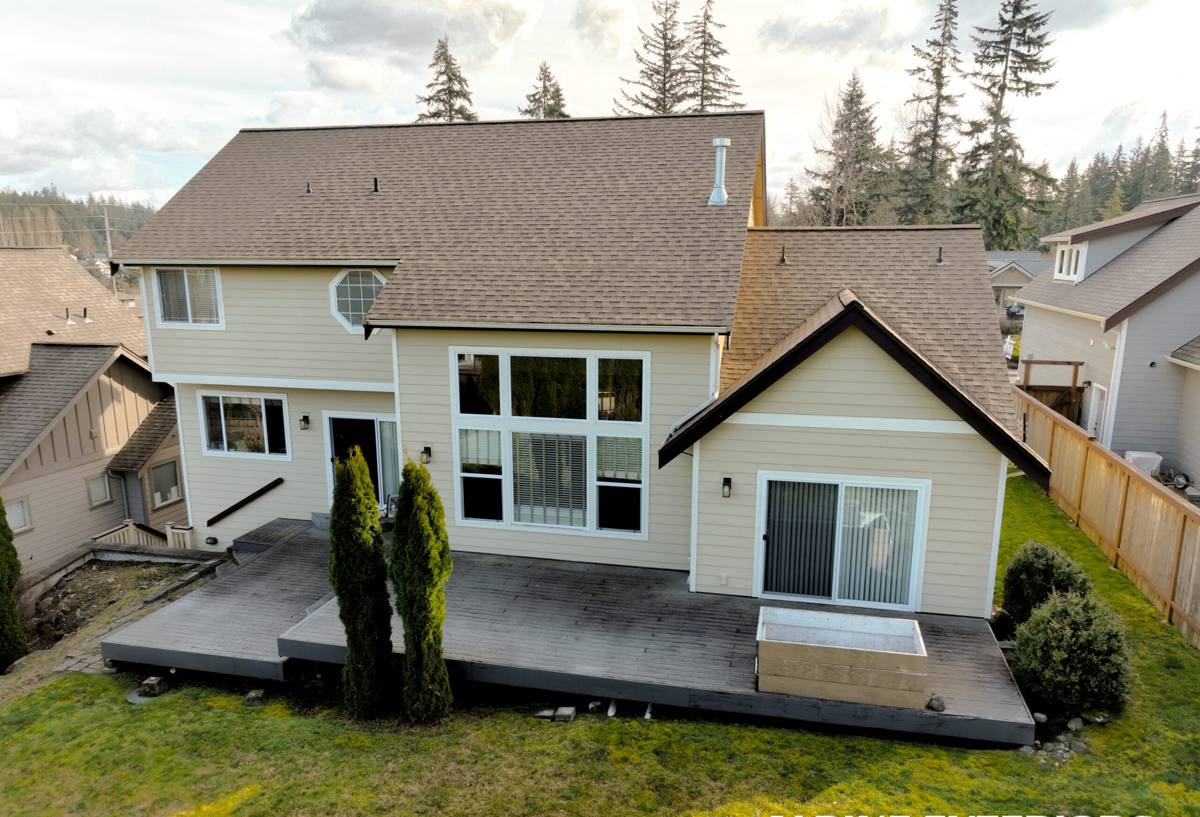
What Florida's Climate Actually Does to Windows in Largo
Largo homes deal with the same core stresses as the rest of Pinellas County, just filtered through slightly less direct coastal exposure than a beachfront property. Hurricane-force wind events put real pressure on glass and framing, and that pressure has to be matched by a window's design-pressure rating and its attachment to the structure — undersized anchoring is one of the more common reasons a window fails during a storm even when the glass itself holds. Year-round, intense UV breaks down cheaper vinyl formulations, weatherstripping, and sealants faster here than in a milder climate, which shows up as yellowing, brittle gaskets, and seals that give up years before they should. Wind-driven rain, including plenty of ordinary summer storms and not just named hurricanes, pushes water sideways into wall assemblies and finds any gap in flashing or sealant that wasn't detailed correctly. And salt air off the Gulf and Tampa Bay travels farther inland than people expect, slowly working on aluminum frames, fasteners, and hardware even on homes that never see a direct water view.
Where Window Failure Actually Starts
It's rarely the glass that goes first. Failure usually starts at the seals — the weatherstripping around an operable sash, the glazing compound holding glass into an older aluminum frame, or a sill that was never properly flashed when the house was built. Once one of those points lets in moisture, the damage spreads to the surrounding wall framing and trim, and by the time it's visible from inside the house it's usually been happening for a while.
Energy Efficiency and Comfort Gains
Replacing old single-pane or worn double-pane windows isn't only a wind and water issue — it changes how the house feels day to day. Modern low-E coated glass reflects a meaningful amount of solar heat before it ever gets inside, which matters in a climate where the air conditioner runs most of the year. Properly sealed double-pane construction also cuts down on outside noise, which is worth something on a property near a busier road or under a flight path. And UV-blocking glass slows the fading that constant Florida sun causes to flooring, furniture, and window treatments over time — a slower, quieter cost that homeowners often don't connect to their windows until it's pointed out.
Signs Your Largo Home's Windows Need Replacing
- Fogging or moisture between panes — a failed seal on a double-pane unit that can't be repaired, only replaced
- Windows that are hard to open, painted shut, or have broken balances — common on older single-hung and double-hung units
- Visible corrosion or pitting on aluminum frames — a sign salt air has been working on the metal for years
- Noticeable drafts or a jump in cooling costs — worn weatherstripping and single-pane glass both let conditioned air escape
- Soft or discolored trim and sill areas — often a sign water has already gotten behind the frame
- Rattling, whistling, or visible flex during windy weather — a sign the unit and its anchoring aren't holding up to current wind loads
- Renovating, adding a room, or selling the home — any of these can trigger a requirement to bring openings up to current code
What a Correct Window Replacement Job Involves
Assessment and Measurement
We start with a field measurement of the actual opening and an honest look at its condition, not a phone estimate based on a general square footage number. That includes checking the wall's wind exposure, since a more exposed elevation of the same house can call for a different rating than a more sheltered one.
Removal and Opening Prep
Pulling the old unit is often where hidden problems surface — rot in the sill or jambs, framing that's out of square, or flashing that was never installed correctly the first time. We address those issues before the new window goes in rather than covering them up, since a new window installed over a bad opening will fail again regardless of how good the unit itself is.
Installation and Anchoring
The new unit gets anchored to meet the design-pressure rating required for that specific wall and elevation, following a fastening schedule sized to the opening rather than a generic pattern. This is a step where shortcuts don't show up on install day — they show up the first time the house takes a real wind event.
Flashing and Weatherproofing
Water management is what actually keeps a Largo home dry through wind-driven rain. The sill needs to shed water outward, the flashing needs to be lapped in the right order so water can't work its way behind it, and the sealant joint has to be detailed to hold up to constant UV rather than just look clean on installation day.
Finish, Hardware, and Corrosion Protection
Salt air goes after fasteners, hinges, and hardware whether or not a storm ever hits. We spec corrosion-resistant hardware as standard practice on every install, and we finish trim and sealant joints to hold up over years of Florida sun and humidity, not just pass a final walkthrough.
Meeting Pinellas County Wind Code
Every window replacement in Largo goes through Pinellas County permitting, and the permit process is what confirms the new units actually meet the wind-borne debris and design-pressure requirements for that address. Homeowners have two basic paths to meeting that code: impact-rated windows, which are built to resist wind-borne debris and pressure changes on their own, or code-approved shutters or panels used with standard windows. Impact windows cost more up front but require nothing from the homeowner when a storm is coming — they're already protecting the house. Shutters and panels can meet code at a lower initial cost, but they only work if someone actually deploys them before every storm, and they do nothing for the day-to-day UV exposure and noise reduction a window faces the rest of the year. We'll walk through both options honestly rather than defaulting to the more expensive one automatically, since the right call depends on the house, the budget, and how the homeowner actually wants to manage storm prep.
Our Process, Start to Finish
- On-site assessment — we measure every opening, check wind exposure, and look for existing rot or framing issues
- Honest recommendation — impact-rated or standard-plus-shutters, with the reasoning and required rating explained plainly
- Permitting — we handle the Pinellas County permit and inspection process as part of the job, not as an add-on
- Ordering and lead time — a realistic timeline, since code-rated units are built to order and not pulled off a shelf
- Removal and opening prep — old units come out carefully, with any hidden issues addressed before new windows go in
- Installation, flashing, and finish — anchored to the required rating, weatherproofed, and finished to match the home
Quick Checklist Before You Sign a Contract
- Confirm the contractor is pulling a Pinellas County permit for the work, not skipping it
- Ask what design-pressure rating each opening needs and why, based on that wall's exposure
- Get the anchoring and fastening plan explained, not just the brand name of the window
- Ask how flashing and sealant will be handled at the sill, not just assumed as included
- Confirm hardware and fasteners are corrosion-resistant, not standard interior-grade
- Get a written, realistic lead time for ordering and installation
Cost Factors for Window Replacement in Largo
| Factor | What Changes the Price |
|---|---|
| Impact rating vs. standard-plus-shutters | Impact-rated glass costs more per unit but needs no action before a storm; standard units paired with shutters cost less up front but add ongoing labor every storm season |
| Frame material | Vinyl, aluminum, and fiberglass carry different upfront costs and different long-term maintenance in Florida's sun and salt air |
| Number and size of openings | A whole-home job typically has better per-unit pricing than replacing one or two windows at a time |
| Opening condition | Hidden rot, out-of-square framing, or prior flashing failures add repair work uncovered once the old unit comes out |
| Permit and inspection | Pinellas County permitting is required by code and should be included in any legitimate quote, not billed as a surprise |
Frame Material Trade-Offs for This Climate
Vinyl frames are common and affordable, and quality vinyl with UV-stabilized formulation holds up reasonably well in Florida, though lower-grade vinyl can yellow and become brittle faster under constant sun. Aluminum is strong and slim in profile but conducts heat and is more exposed to corrosion from salt-laden air over time unless properly finished. Fiberglass generally offers the best combination of strength and low maintenance in a coastal-adjacent climate like Largo's, at a higher up-front cost. We'll talk through which material actually fits your home, your budget, and how long you plan to be in the house, rather than pushing one material on every job.
Why Hiring a Crew That Already Works Largo Matters
Manufacturer installation instructions are written for average conditions, and a lot of what happens in Largo isn't average — a home near Lake Seminole doesn't have the exact same exposure as one closer to the Gulf side of the county, and a crew that doesn't work here regularly can get the paperwork right and still miss the details that keep water and wind out. Knowing how much a flashing lap needs to overlap on a given sill design, which fastening pattern actually holds up under real wind load versus the bare code minimum, and when a sealant joint needs extra attention because of sun and salt cycling — those are calls made on the job, not decisions a spec sheet makes automatically.
We work in Largo and across Pinellas County regularly, so we're not guessing at how a particular home's age, elevation, or construction type tends to hold up here over time. That experience is what decides whether a window replacement is still tight and performing after a few hurricane seasons, or starting to show drafts and leaks within a couple of years.
Ready for a Free Estimate
If your Largo home still has its original windows, is showing fogging, drafts, or corrosion, or you're renovating and need openings brought up to current Pinellas County code, it's worth having someone look at the actual windows and wind exposure before you start comparing quotes. We offer free, no-pressure estimates for window replacement in Largo and the surrounding area — use the form below to get a time on the schedule.