 Clearwater Roofing
 Why Belleair Roofs Wear Out Differently Than Roofs Inland
Belleair sits on a narrow strip of land between Clearwater Harbor and the Gulf of Mexico, and that location shapes everything about how a roof ages here. Homes just a few miles inland in Pinellas County don't take the same beating from salt-laden air, constant onshore wind, and direct Gulf exposure that Belleair properties do. If you're planning a new roof, it pays to understand what you're actually up against before you pick a material or a contractor.
Four forces do most of the damage: hurricane-force wind gusts that lift and peel poorly fastened materials, UV exposure that's intense nearly all year and breaks down asphalt oils and sealants, wind-driven rain that gets pushed sideways and up under edges and flashing rather than falling straight down, and salt air that corrodes exposed metal fasteners, flashing, and hardware over time. None of these are hypothetical risks — they're the baseline conditions any roof here has to be built to handle, every year, not just during storm season.
A roof designed for a drier, cooler, inland climate simply doesn't hold up the same way on a coastal property in Clearwater or Belleair. That's why a correct installation here isn't just "the same roof, but in Florida" — the fastening pattern, underlayment choice, flashing details, and material selection all need to account for wind uplift and moisture intrusion specifically.
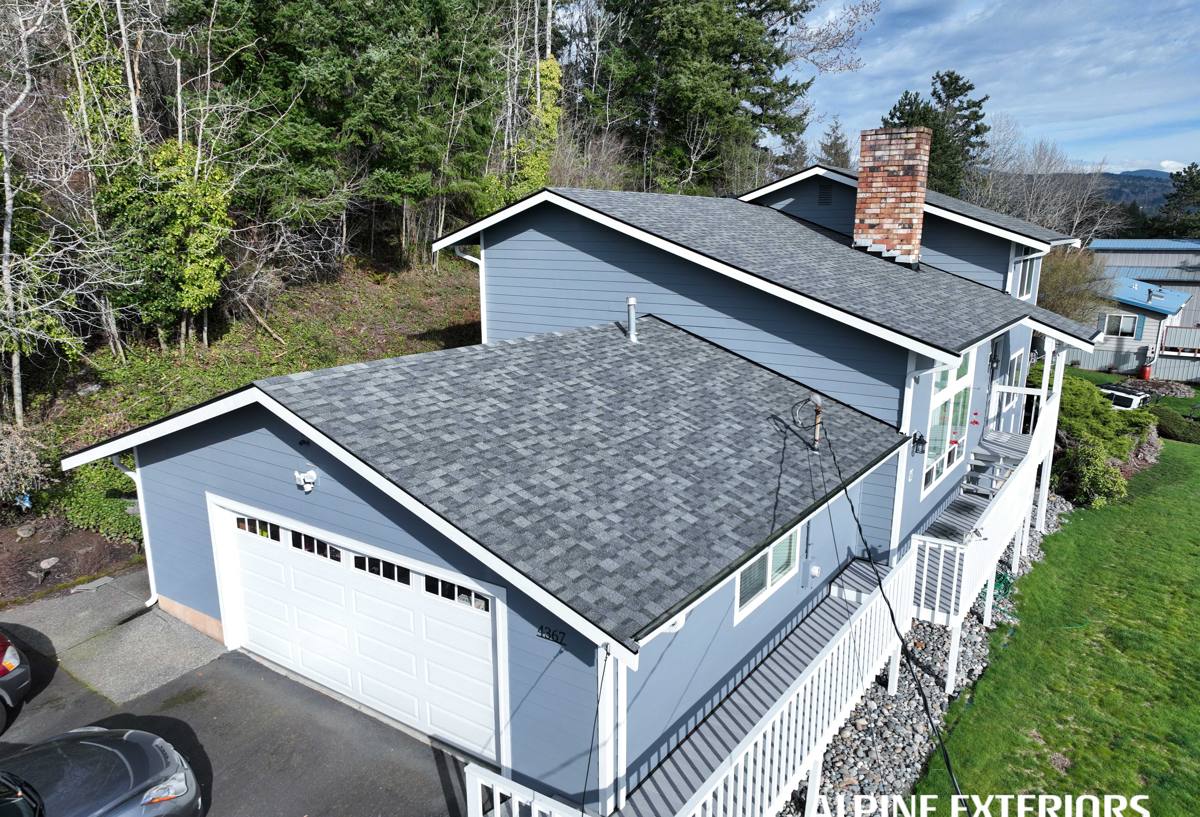
What a Correct New Roof Installation Actually Involves
A new roof is more than shingles or panels laid over your existing deck. The parts you don't see are what determine whether the roof survives its first real storm season.
Tear-Off and Deck Inspection
We remove the old roofing material down to the deck rather than layering over it. This lets us actually see the plywood or OSB sheathing underneath, check for soft spots, rot, or delamination from long-term moisture, and replace any damaged sections before anything new goes down. Skipping this step is one of the most common shortcuts in the industry, and it's the one most likely to cause problems you can't see until the next hard rain.
Underlayment and Water Barrier
Over the deck goes a water-resistant underlayment, and in most cases a self-adhering waterproof membrane at eaves, valleys, and other vulnerable areas. Given how much wind-driven rain this area sees, this layer is your actual last line of defense if wind ever lifts or damages the surface layer above it. We don't treat this as an afterthought — it's sized and placed based on where water actually tends to travel on a roof.
Flashing Details
Flashing around chimneys, vents, skylights, and roof-to-wall transitions is where most leaks start, coastal climate or not. Salt air accelerates corrosion on cheap or improperly sealed flashing, so we use materials and sealing methods suited to a marine environment rather than generic inland specifications.
Ventilation
Proper attic ventilation keeps heat and moisture from building up under the deck, which matters in a climate where attic temperatures can climb dramatically under near-constant sun. Poor ventilation shortens the life of shingles from underneath, regardless of how good the surface material is.
Roofing Material Options for Belleair Homes
There's no single "best" roofing material for every home — the right choice depends on your roof's shape, your budget, your home's architecture, and how much maintenance you want to take on. Here's an honest comparison of the main options we install in this area.
| Material | Wind Performance | Salt Air / Coastal Durability | Typical Lifespan |
|---|---|---|---|
| Architectural asphalt shingles | Good, when installed with proper nailing pattern and rated for high wind | Solid; quality matters more than in inland areas | 20-30 years |
| Standing seam metal | Excellent uplift resistance when properly fastened | Very good with coastal-grade coatings and fasteners | 40-60+ years |
| Concrete or clay tile | Very good wind resistance; heavy, well-anchored assembly | Excellent; the tile itself doesn't corrode | 50+ years |
Metal and tile carry a higher upfront cost but tend to need less attention over time in a salt-air environment. Asphalt shingles remain a sound, cost-effective choice as long as the product is wind-rated appropriately and installed correctly — the installation quality matters as much as the shingle brand itself.
A Note on Product Choices
We're selective about the underlayments, flashing metals, and fastener types we use on coastal jobs, even when a cheaper option exists. Cheaper fasteners and thin flashing stock corrode faster in salt air, and lower-grade underlayments can degrade under sustained UV and heat before the surface roofing even shows wear. That's a maintenance and longevity trade-off we'd rather you understand upfront than discover in ten years.
Wind Rating, Code, and Permitting for Coastal Pinellas County
Florida's building code sets wind-load and fastening requirements based on location, and coastal Pinellas County properties like those in Belleair generally fall under higher wind-speed design requirements than inland construction. In practice, this affects things like nailing patterns, underlayment type, and, on some homes, the products that are code-eligible at all.
A permit and inspection are required for a full roof replacement. This isn't paperwork for its own sake — the inspection confirms the deck, underlayment, and fastening actually meet code before the roof is closed up and out of sight. If your insurer requires a wind mitigation inspection or report after the new roof is installed, we can provide the documentation needed to support that, since a correctly installed roof often qualifies for insurance credits.
Our Installation Process, Start to Finish
- Inspection and estimate — we assess your current roof, deck condition, and any problem areas, and walk you through material options with real cost and lifespan trade-offs.
- Material selection — you choose based on budget, appearance, and how much long-term maintenance you want.
- Permitting — we pull the required permit and schedule inspections with the local building department.
- Tear-off — old roofing is removed completely and the deck is inspected and repaired where needed.
- Dry-in — underlayment and waterproofing membrane go down so the home is protected even if weather moves in mid-project.
- Installation — new roofing material, flashing, and ventilation components are installed to code and manufacturer spec.
- Final inspection — the building department signs off before the job is considered complete.
- Cleanup — job site debris, nails, and old materials are cleared from the property.
Signs Your Belleair Roof Needs Replacement, Not Just Repair
Not every roof problem calls for full replacement, but certain signs point to a roof that's past the point where patching makes sense — especially on a home exposed to this much sun, wind, and salt air.
- Shingles that are curling, cracked, or missing granules across large sections rather than one isolated spot
- Visible sagging anywhere in the roofline, which can signal deck or structural issues underneath
- Repeated leaks in different locations after previous repairs
- Flashing that's visibly corroded, loose, or separating from the roof plane
- A roof approaching or past 20-25 years old, especially if it's never been fully replaced
- Daylight visible through the attic decking, or damp insulation and staining in the attic
- Storm damage that affects a significant portion of the roof rather than a few shingles
Why Hiring a Crew That Already Works in Belleair Matters
Roofing crews who regularly work coastal Pinellas County properties bring practical knowledge that generic experience doesn't. They know how salt air affects fastener and flashing choices over time, they're familiar with the wind-load expectations for this specific stretch of coastline, and they've likely already worked with the local permitting office, which keeps inspections and scheduling moving instead of stalling.
There's also a simple accountability argument: a contractor who works this area regularly has a reputation to maintain with neighbors, not just with you. That's a meaningfully different incentive than an out-of-area crew passing through after a storm.
What to Ask Before You Hire
- Are you licensed to perform roofing work in Florida, and can you provide proof of insurance?
- Will you pull the permit yourself, or is that left to the homeowner?
- What underlayment and fastening approach do you use for coastal wind exposure?
- Do you remove the old roof down to the deck, or install over existing layers?
- What does your workmanship warranty actually cover, separate from the manufacturer's material warranty?
Cost Factors for a New Roof in Belleair
We won't quote a number without seeing your roof, but here are the real factors that move the price up or down, so you can gauge estimates honestly.
| Factor | Why It Matters |
|---|---|
| Roof size and complexity | More valleys, dormers, and roof planes mean more flashing, cutting, and labor time |
| Material choice | Asphalt shingles cost less upfront; metal and tile cost more but last longer with less maintenance |
| Deck condition | Rotted or damaged sheathing found during tear-off adds repair cost, but skipping this repair risks the whole roof |
| Wind-rating requirements | Coastal wind-load code may require heavier fastening schedules or higher-rated products than inland jobs |
| Accessibility | Steep pitches, multiple stories, or tight lot access affect labor and equipment needs |
Protecting Your Investment After Installation
A new roof installed correctly for this climate should last for decades, but a little ongoing attention extends that further. Keep gutters clear so water drains properly instead of backing up under the edge. After major storms, a quick visual check for missing or lifted shingles, damaged flashing, or debris buildup can catch small issues before they become leaks. Because salt air is corrosive, exposed metal components — vent boots, flashing edges, fasteners — are worth a periodic look even between storms.
Keep your paperwork: the permit, final inspection approval, and any wind mitigation documentation matter for insurance purposes and for resale down the line. A well-documented, correctly installed roof is an asset when you eventually sell the home, not just a maintenance item.
If you're weighing a new roof for your Belleair home, we're happy to take a look and give you an honest read on condition, options, and realistic costs — no pressure, no obligation. Use the form below to request a free estimate.