 Clearwater Roofing
 Why Island Estates Roofs Wear Differently
Island Estates sits surrounded by water, connected to the mainland and to Clearwater Beach by causeway, which means every roof out here takes on conditions that a home a few miles inland never sees. Salt-laden air moves off the Gulf and the intracoastal waterway and settles on everything — fasteners, flashing, vent stacks, drip edge — accelerating corrosion in materials that would otherwise last decades. Add in direct, near-constant sun exposure with almost no tree canopy break on many lots, and the UV load on shingles and sealants is higher than what a standard product warranty was tested against.
Then there's wind. Being this close to open water means Island Estates homes catch gusts with less friction to slow them down before impact. During Gulf storm season, that translates to real uplift pressure on ridge lines, hips, and roof edges — the parts of a roof that fail first when the fastening pattern or edge metal wasn't installed to hold. A new roof out here isn't just a cosmetic upgrade; it's the single biggest factor in how your home holds up through the next storm season and the next twenty years of Pinellas County sun.
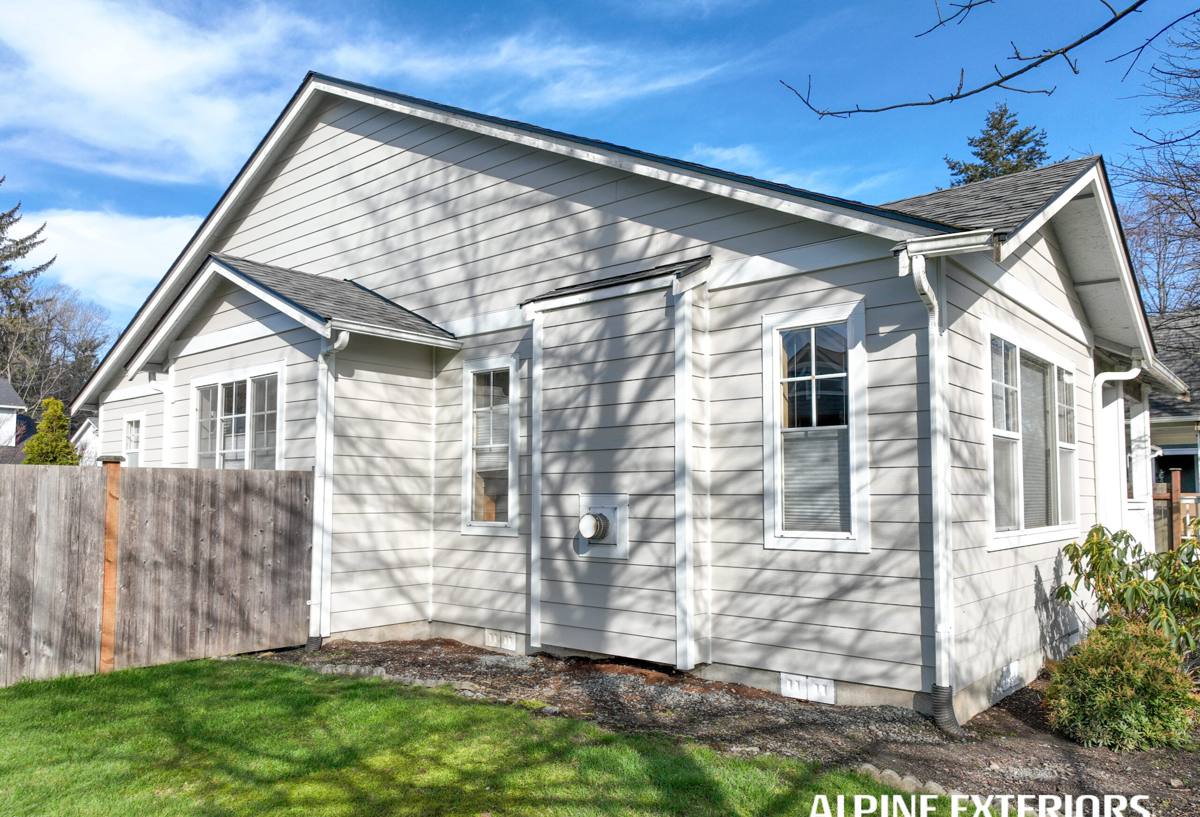
What "Correct" Actually Means for a New Roof Install
A new roof is only as good as what's underneath the shingles or panels you can see. On a waterfront property like this, we treat every layer as part of the storm and moisture defense system, not just prep work.
Deck Inspection and Repair
Once the old roof is stripped, the deck gets inspected board by board. Any wood that's soft, delaminated, or water-stained from years of slow leaks gets replaced before anything new goes down — nailing new shingles or panels over a compromised deck is how a roof fails early, regardless of the material on top.
Underlayment and Water Barrier
Given the wind-driven rain that comes with coastal storms, we don't treat underlayment as an afterthought. Self-adhering, high-wind-rated underlayment at eaves, valleys, and penetrations does the real waterproofing work if wind ever lifts or drives rain sideways under the surface material.
Wind-Rated Fastening and Flashing
Nail pattern, nail length, and flashing detail at every wall, chimney, and vent penetration matter more here than almost anywhere inland. We fasten to the wind-rated specification for the product and install metal flashing — not just cement or sealant — at every transition, because sealant alone degrades in sun and salt air faster than metal does.
Choosing a Roofing Material for a Waterfront Property
There's no single "best" roofing material for Island Estates — the right choice depends on your budget, how long you plan to own the home, and how much maintenance you're willing to keep up with in a salt-air environment. Here's an honest comparison of the three options we install most often on homes like yours.
| Material | Wind Performance | Typical Lifespan (Coastal Use) | Salt Air / Coastal Notes |
|---|---|---|---|
| Architectural Asphalt Shingle | Good, with high-wind rated products and proper fastening | 15–20 years | Most affordable upfront; UV and salt exposure shorten lifespan versus inland installs |
| Standing Seam Metal | Excellent when properly fastened | 30–40+ years | Best resistance to wind uplift; needs marine-grade fasteners and coatings to manage corrosion over time |
| Concrete Tile | Very good; heavy mass resists uplift | 30–50 years | Durable against salt and sun, but underlayment failure is hidden until a leak shows — underlayment quality matters more than the tile itself |
We'll walk through these trade-offs honestly during your estimate. What matters most is matching the material's real-world coastal maintenance needs to what you're prepared to keep up with — a roof that looks great for the first five years but demands upkeep you didn't plan on isn't the right fit.
How Our Installation Process Works
- On-site inspection and measurement — we assess your current roof, deck condition, ventilation, and any water intrusion history before quoting anything.
- Material selection and permit filing — we handle the Pinellas County/City of Clearwater permit paperwork so you don't have to chase it down.
- Tear-off and deck inspection — full removal of the old roofing system, with any damaged decking replaced and documented.
- Underlayment and flashing installation — the waterproofing layer goes down to wind-rated and coastal-appropriate spec.
- New roof installation — shingles, metal panels, or tile installed to manufacturer and wind-rating specifications.
- Final inspection and cleanup — a walk-through with you, magnetic nail sweep of the property, and county inspection sign-off where required.
We keep you informed at each stage rather than disappearing until the invoice — you'll know what we found under the old roof, what it means, and why any change order (if one comes up) is necessary.
Ventilation and Moisture Control in a Coastal Climate
Florida sun doesn't just age the outside of your roof — it superheats your attic, and if that heat and humidity can't escape, it works against your new roofing system from underneath. Balanced intake and exhaust ventilation (soffit vents paired with ridge or box vents) keeps attic temperatures and moisture in check, which protects the underside of your deck and helps your shingles or underlayment reach their expected lifespan instead of failing early from heat and trapped humidity.
On a lot like yours with high humidity coming off the water year-round, we check existing ventilation as part of every new roof install rather than assuming what's already there is adequate. Undersized or blocked ventilation is one of the most common reasons a roof underperforms its warranty in this climate.
Permitting, Wind Mitigation, and Insurance
Every new roof installation in Pinellas County requires a permit, and the finished work has to meet the wind-load requirements in the current Florida Building Code for our region. We pull the permit, coordinate the required inspections, and make sure the installation meets code — that's part of the job, not an upsell.
A new roof is also one of the few home improvements that can directly lower your homeowners insurance premium. After installation, a wind mitigation inspection documents the upgrades you now have — impact-rated or high-wind-rated materials, improved fastening, secondary water barrier — and that documentation goes to your insurer. It won't guarantee a specific discount, since every carrier weighs it differently, but it's worth having done and we can point you toward a qualified inspector.
Why a Crew That Already Works Island Estates Matters
Roofing a waterfront home isn't the same job as roofing a house a few miles inland, and a crew that hasn't worked this kind of exposure regularly can miss details that only show up after the first real storm. Knowing how salt air accelerates corrosion on fasteners and flashing, how much UV load these roofs actually take with little shade, and how local wind patterns off the water stress a roofline — that's knowledge built from doing this work here, not from a general roofing checklist.
There's also the practical side: familiarity with Pinellas County and Clearwater permitting, realistic scheduling around storm season, and knowing which material and fastening choices actually hold up on this stretch of coast versus which ones look fine on paper. That's the difference between a roof that's technically installed and one that's installed correctly for where it sits.
After Your New Roof Goes On
A new roof still needs a small amount of homeowner attention to get its full expected life, especially in a salt-air environment. Here's what we recommend keeping an eye on:
- Rinse accumulated salt residue and debris off the roof surface periodically, especially after long dry spells
- Keep gutters and downspouts clear so water isn't sitting against the roof edge
- Trim back any overhanging branches to reduce debris buildup and abrasion
- Have the roof visually checked after any major named storm, even if you don't see obvious damage
- Watch for granule buildup in gutters (asphalt shingle roofs) as a sign of accelerated wear
- Keep a copy of your permit, inspection, and wind mitigation paperwork together for insurance purposes
None of this requires a maintenance contract or recurring service — just a little attention a couple of times a year, which we're happy to walk you through after your installation is complete.
Get a Straightforward Estimate
If your roof is aging, was damaged in a storm, or you're simply planning ahead before it becomes an emergency, we're glad to come out, take an honest look, and walk you through what your Island Estates home actually needs — no pressure, no inflated urgency. Use the form below to request a free estimate.