 Clearwater Roofing
 New Roof Installation for Largo Homes
Largo sits in the middle of Pinellas County, close enough to the Gulf and Tampa Bay that every roof here deals with salt-laden air, and close enough to open water that it takes a direct hit from hurricane-season wind and rain more often than inland parts of the state. Homes in Largo run the gamut from older ranch-style houses built in the 1960s-1980s to newer construction, and a lot of the older stock is now due, or overdue, for a full roof replacement rather than another round of patch repairs. A new roof installation is one of the biggest single investments a homeowner makes in a house, and doing it right the first time matters a lot more here than it does in a milder climate.
This page covers what a correct new roof installation looks like specifically for Largo homes, what our process involves, and why using a crew that already works this area day-to-day is worth something real, not just a sales line.
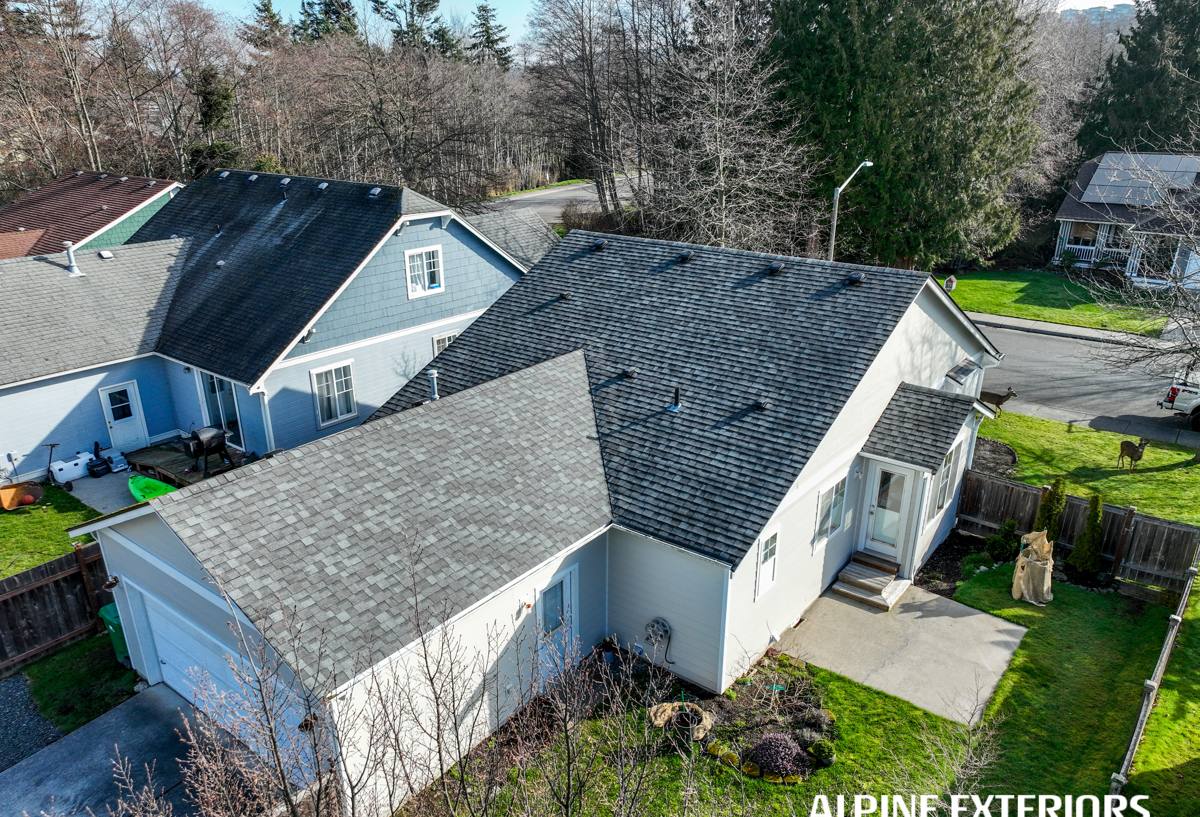
What Largo's Climate Actually Does to a Roof
It's worth being specific about the stress a roof in this part of Pinellas County is built to survive, because it changes what "correct installation" means:
- Hurricane-force wind: Uplift at the edges and corners of a roof is where failures start. Fastening pattern, drip edge attachment, and starter course installation all have to match Florida Building Code wind requirements for this area, not a generic national minimum.
- Year-round, intense UV: Florida sun breaks down roofing materials faster than almost anywhere else in the country. Shingle granule loss, sealant embrittlement, and tile glaze fading all accelerate under constant exposure.
- Wind-driven rain: Rain that comes in sideways during a storm finds every weak seam, nail pop, and flashing gap. Underlayment quality and lap detail at valleys, penetrations, and walls matter more here than the shingle brand on top.
- Salt air: Even away from the immediate coastline, airborne salt corrodes exposed metal fasteners, flashing, and vent components over time. Material choice at these points affects how long a roof actually lasts versus how long it's rated to last.
None of this is unique to Largo, but it's the baseline every new roof installation in this part of Clearwater and Pinellas County has to be built around.
Signs a Largo Home Needs a New Roof, Not Another Repair
Repairs make sense when the damage is isolated and the roof underneath is still sound. A full replacement makes sense when the underlying system is worn out, even if the visible damage looks small. Common signs we see on Largo homes include:
- Shingles that are cupping, curling, or missing granules over large areas rather than one spot
- A roof at or past 18-25 years old (shingle) or original to a home built decades ago
- Soft spots or sagging in the roof deck when walked, which points to underlying rot
- Repeated leaks in different locations after past patch repairs
- Visible daylight through the attic decking, or consistent staining on interior ceilings
- Rusted or deteriorated flashing around chimneys, walls, and vent stacks
If a roof is showing two or more of these, a repair is usually a short-term delay rather than a real fix.
What a Correct New Roof Installation Involves
1. Tear-Off and Deck Inspection
We remove the old roofing material down to the deck rather than layering over it. This is the only way to actually see the plywood or OSB underneath, which is where rot, soft spots, and old storm damage usually hide. Any damaged decking gets replaced, not covered.
2. Underlayment and Dry-In
The underlayment is the actual waterproof layer once the shingles or tiles are gone — it's what keeps a home dry during the time between tear-off and finished roof, and it backs up the roof covering for the life of the system. Given how much wind-driven rain this area sees, we treat this layer as load-bearing to the roof's performance, not a formality.
3. Flashing and Penetration Detail
Valleys, chimneys, wall step-flashing, vent stacks, and skylight curbs are where the overwhelming majority of roof leaks start — not in the open field of shingles. New flashing, properly lapped and sealed, gets installed at every one of these points rather than reusing old metal.
4. Fastening to Wind Rating
Nail pattern, nail type, and starter strip attachment are specified to meet Florida Building Code wind requirements for this part of Pinellas County. This is inspected work, not a step we can shortcut even if a homeowner wanted a lower price.
5. Ventilation
Proper intake and exhaust ventilation keeps attic temperatures and moisture in check, which affects both energy bills and how long the new roofing material actually lasts under constant Florida sun. A new installation is the right time to correct ventilation that was never adequate to begin with.
6. Final Inspection and Cleanup
The job isn't done until it passes the required inspection and the property is cleared of debris and stray nails, including a magnetic sweep of the yard and driveway.
Choosing a Roofing System for a Largo Home
There's no single "best" roofing material — the right choice depends on budget, how long the homeowner plans to stay in the house, and how much long-term maintenance they want to take on. Here's an honest comparison of the main options we install:
| Material | Typical Lifespan | Wind Performance | Upfront Cost | Maintenance |
|---|---|---|---|---|
| Architectural asphalt shingle | 20-30 years | Good, when installed to code fastening specs | Lowest | Low to moderate |
| Metal (standing seam or panel) | 40-50+ years | Excellent | Higher | Low |
| Concrete or clay tile | 50+ years (tile itself) | Good, but underlayment typically needs replacement mid-life | Highest | Moderate — occasional tile replacement, underlayment service |
Tile roofs are common on Largo homes and can last decades, but it's worth knowing upfront that the underlayment beneath the tile usually wears out well before the tile itself does — meaning a "tile roof replacement" partway through a tile roof's life is a realistic and normal maintenance event, not a sign anything went wrong. We'll walk through this honestly during the estimate rather than glossing over it.
Our Process for a Largo New Roof Installation
- On-site inspection: We walk the roof and attic, document existing condition, and identify any deck or structural issues before quoting anything.
- Written estimate: A clear scope of work and price, with material options explained side by side — no pressure to upsell to the most expensive system.
- Permitting: We pull the required permit through the appropriate local building department before work starts.
- Material delivery and tear-off: Old roofing removed, deck inspected and repaired as needed.
- Dry-in and installation: Underlayment, flashing, and the new roofing system installed to code wind-fastening requirements.
- Final inspection and walkthrough: We confirm the work passes inspection and walk the property with the homeowner before calling the job complete.
Why a Local Crew Matters for This Job
New roof installation is permitted, inspected work, and the permitting and inspection process has real local variation. A crew that installs roofs across Largo and the rest of the Clearwater area regularly knows the local building department's expectations, how inspections here typically go, and what documentation gets a permit approved without delays. That's not a marketing point — it's the difference between a job that moves smoothly to a passed inspection and one that stalls waiting on paperwork corrections.
It also means faster response if a problem shows up during a storm season, since we're not driving in from another part of the state to handle a tarp or follow-up call.
What to Ask Any Contractor Before Signing
- Is the permit pulled in the contractor's name, and will it be filed before work begins?
- What underlayment and fastening spec will be used, and does it meet current Florida Building Code wind requirements for this area?
- Is the old roof being fully torn off, or is any layering happening?
- What's covered under workmanship warranty versus manufacturer material warranty, and for how long?
- Will the deck be inspected and repaired as part of the base price, or billed separately if damage is found?
Any contractor should be able to answer these clearly and in writing before a contract is signed.
Get a Straight Answer on Your Largo Roof
If your roof is aging, was recently storm-damaged, or you're just trying to figure out whether repair or replacement makes more sense, we're glad to take a look. We'll give you a clear, no-pressure estimate and an honest read on what your roof actually needs — use the form below to get started.