 Clearwater Roofing
 Why Palm Harbor Roofs Wear Out Faster Than the Warranty Sheet Says
Palm Harbor sits close enough to the Gulf that roofs here take a different kind of beating than roofs a few counties inland. Hurricane-force wind gusts move through Pinellas County most storm seasons, the sun is intense and constant year-round, wind-driven rain gets pushed sideways into laps and edges that were never designed to handle water moving uphill, and salt-laden air drifts in off the coast and works on metal fasteners, flashing, and vent components every single day. None of these forces are dramatic on their own. Stacked together, year after year, they shorten the real-world life of a roof well below what the shingle wrapper promises.
That's the backdrop for every roof replacement conversation we have with Palm Harbor homeowners. The right system, installed correctly, can handle this climate for decades. The wrong system — or the right system installed with shortcuts — fails early, and usually in the least convenient way: a leak during a summer storm, or wind damage that shows up right when a hurricane is already bearing down.
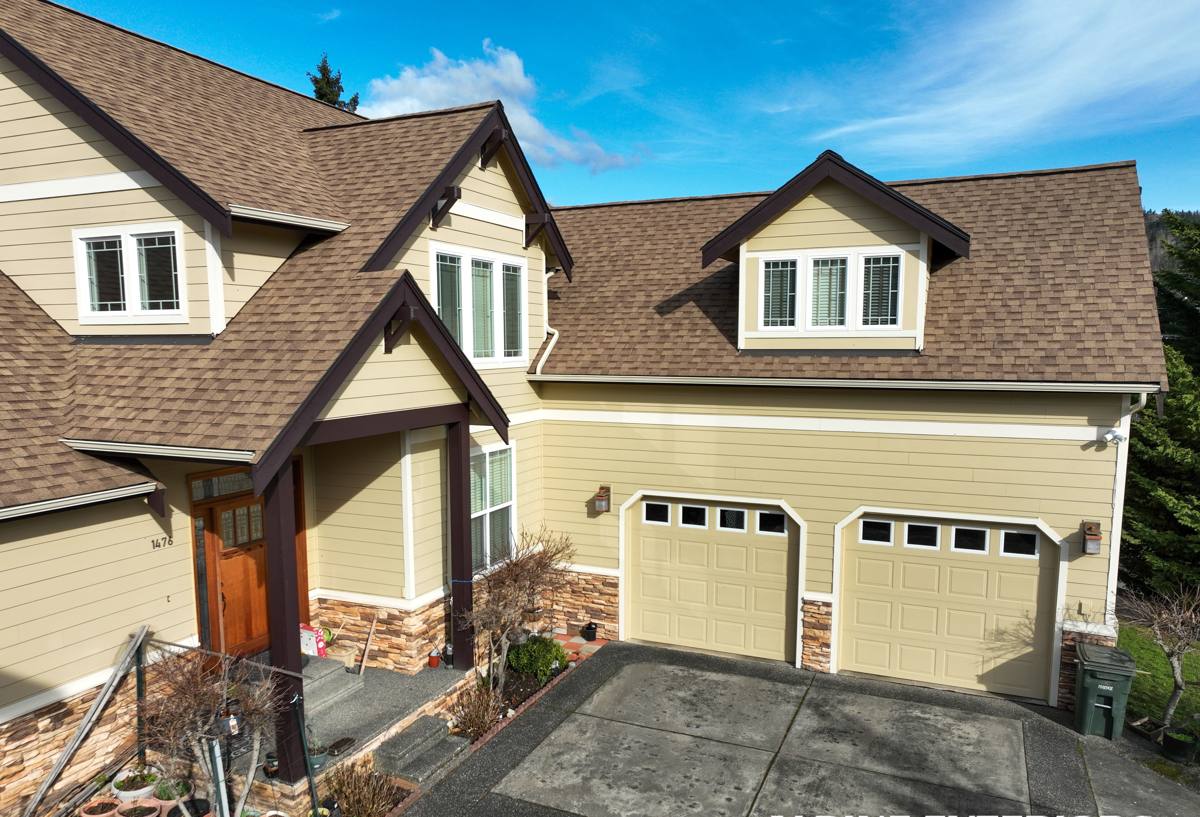
Signs a Palm Harbor Roof Needs Replacement, Not Another Repair
Roof repair makes sense when the underlying roof system is still sound and the problem is isolated. Replacement becomes the honest recommendation when the roof as a whole has aged out or been compromised broadly enough that patching one area just shifts the problem to the next. Some signs point clearly toward replacement:
- Granule loss heavy enough that you can see bare, shiny asphalt across multiple shingles, not just one worn spot
- Shingles that are cupping, curling, or cracking in more than a small, contained area
- Soft spots or sagging in the roof deck when walked, which usually means moisture has reached the wood underneath
- Repeated leaks in different locations after the same storm, suggesting the underlayment and flashing system as a whole has failed
- Visible rust or deterioration at multiple flashing points, vents, or valleys
- A roof approaching or past its expected service life for the material, especially if it's never been re-roofed since original construction
If only one or two of these apply and the roof is otherwise in decent shape, a repair may genuinely be the right call — we'll say so. Roof replacement is the right recommendation when the deck, underlayment, and flashing system have collectively reached the point where patching no longer buys you meaningful time.
Choosing a Roofing System for Palm Harbor's Climate
What Actually Matters Here
Every roofing material sold in Florida is rated for wind and weather on paper. What separates a roof that performs well on a Palm Harbor home from one that doesn't is how well the material and the installation handle sustained UV exposure, wind uplift at the edges and corners of the roof (where failures almost always start), and moisture that gets driven sideways rather than falling straight down.
Comparing the Common Options
| Material | Typical Lifespan Here | Wind & Storm Performance | Maintenance Considerations |
|---|---|---|---|
| Architectural (dimensional) asphalt shingles | 20–25+ years with proper install | Strong when rated and nailed correctly; heavier and more wind-resistant than 3-tab | Periodic inspection of flashing and sealant lines; moderate |
| 3-tab asphalt shingles | 15–18 years | Lower wind rating than architectural; more prone to edge lift in gusty conditions | Similar upkeep, shorter service life |
| Standing seam metal | 40–50+ years | Excellent uplift resistance when properly fastened; performs well in wind-driven rain | Low; watch fastener condition and coastal-grade coating over time |
| Concrete or clay tile | 40–50+ years (tile itself); underlayment usually needs replacement sooner | Very good when tiles are properly fastened; individual tiles can crack under impact | Underlayment beneath tile has its own service life separate from the tile |
We don't push one material as universally "best." We do steer homeowners away from certain lower-grade products or shortcuts for specific reasons tied to this climate — for example, lighter-weight underlayments that don't hold up as well under sustained Florida heat and UV before the shingles even go down, or fastening patterns that meet the bare minimum code requirement instead of the higher wind-rating standard the manufacturer allows. That's a maintenance-and-longevity judgment, not a knock on any brand.
What a Correctly Done Roof Replacement Actually Involves
It's Not Just New Shingles on Top
A roof replacement done right is a full-system rebuild, not a cosmetic swap. The steps that matter most, and that get skipped most often on cut-rate jobs, are:
- Complete tear-off to bare deck — never a layover on top of existing shingles, which traps moisture and hides deck damage
- Deck inspection and repair, replacing any plywood or OSB that's soft, delaminated, or water-stained before anything new goes down
- New underlayment rated for this climate, installed with the correct overlap and fastening pattern, including enhanced protection at valleys and eaves
- New flashing at every roof penetration, wall intersection, and valley — reused, corroded flashing is one of the most common causes of early leaks after a "replacement"
- Proper ventilation at the ridge and soffits, which controls attic heat and moisture and directly affects how long the new roof lasts
- Wind-rated fastening that meets or exceeds current Florida Building Code requirements for this region, not just the minimum nail count
Every one of these steps affects how the roof performs in a hurricane-force gust or a hard, wind-driven rain event. Skipping deck repair to save a day, or reusing old flashing to save materials, is exactly how a roof that looks new on day one fails during the first serious storm.
Permits, Wind Mitigation, and Insurance in Pinellas County
A full roof replacement in Palm Harbor requires a permit, and the completed work needs to pass inspection against current Florida Building Code wind and installation standards. This isn't paperwork for its own sake — it's the record that confirms the roof was actually built to the standard your insurance company assumes it meets.
A new roof is also the natural time to have a wind mitigation inspection done. That inspection documents the roof's construction, fastening, and design features and is frequently used by insurers to adjust windstorm premiums. Homeowners in coastal Pinellas County in particular can see meaningful savings once a new, properly documented roof is in place, since insurers weigh roof age and wind mitigation features heavily in this part of the state.
Our Palm Harbor Roof Replacement Process
Inspection and Honest Assessment
We start on the roof, not from a satellite photo. That means checking the deck condition where accessible, the state of existing flashing, ventilation, and how the current roof has actually performed against wind and water — not just its age.
A Written Scope Before Any Work Begins
You get a clear, written scope covering material, underlayment, flashing, ventilation work, and price before a single shingle comes off. No verbal promises that turn into change orders once the tear-off is underway.
Tear-Off, Deck Repair, and Dry-In
Full removal to the deck, repair of any compromised wood, and underlayment installed the same day whenever weather allows, so the home isn't left exposed to Gulf coast storms overnight.
Installation to Code — and to Our Own Standard
Flashing, fastening pattern, and ventilation are installed to meet or exceed current wind-rating requirements for this area, not just the state minimum.
Final Walkthrough and Cleanup
We walk the finished roof and the property with you, confirm the work matches the scope, and make sure the yard is clear of debris and nails before we consider the job done.
Why a Crew That Already Works Palm Harbor Matters
Roofing code, wind-rating requirements, and permitting in Pinellas County aren't identical to requirements a state or even a county away. A crew that regularly works Palm Harbor and the surrounding Clearwater area already knows the local permitting process, the inspection expectations, and — just as important — how homes in this specific coastal environment actually fail over time, because they've seen it firsthand on roofs down the street rather than reading about it in a manual. That local, repeated experience is what keeps a job on schedule and keeps callbacks rare.
It also means we're not guessing about what this climate does to a roof over five or ten years. Salt air, sustained UV, and wind-driven rain each affect materials differently, and a crew that only sees a handful of Florida coastal roofs a year doesn't build the same instinct for where problems start as a crew doing this work here every week.
What to Ask Before You Sign a Roof Replacement Contract
A few direct questions separate a solid contractor from a risky one. Before signing anything, ask:
- Is the estimate based on an actual roof inspection, or a satellite/desktop measurement only?
- Does the written scope specify the exact underlayment, flashing type, and fastening pattern — not just "new roof"?
- Will the deck be inspected and repaired as-needed, with pricing for that spelled out ahead of time?
- Who pulls the permit, and is the work scheduled for inspection?
- What's the manufacturer's wind rating for the proposed shingle or material, and does the fastening pattern meet it?
- Is the crew doing the work employed by the company, or subcontracted out with no direct oversight?
- What does the workmanship warranty cover, separate from the manufacturer's material warranty?
A contractor who answers these clearly and in writing, without hedging, is telling you something important about how they run jobs.
Get a Straight Answer on Your Palm Harbor Roof
If your roof is showing its age, took a hit in a recent storm, or you just want an honest opinion on whether repair or replacement makes sense, we're glad to take a look. The estimate is free, there's no pressure attached to it, and you'll get a straightforward answer about what your roof actually needs — use the form below to get started.